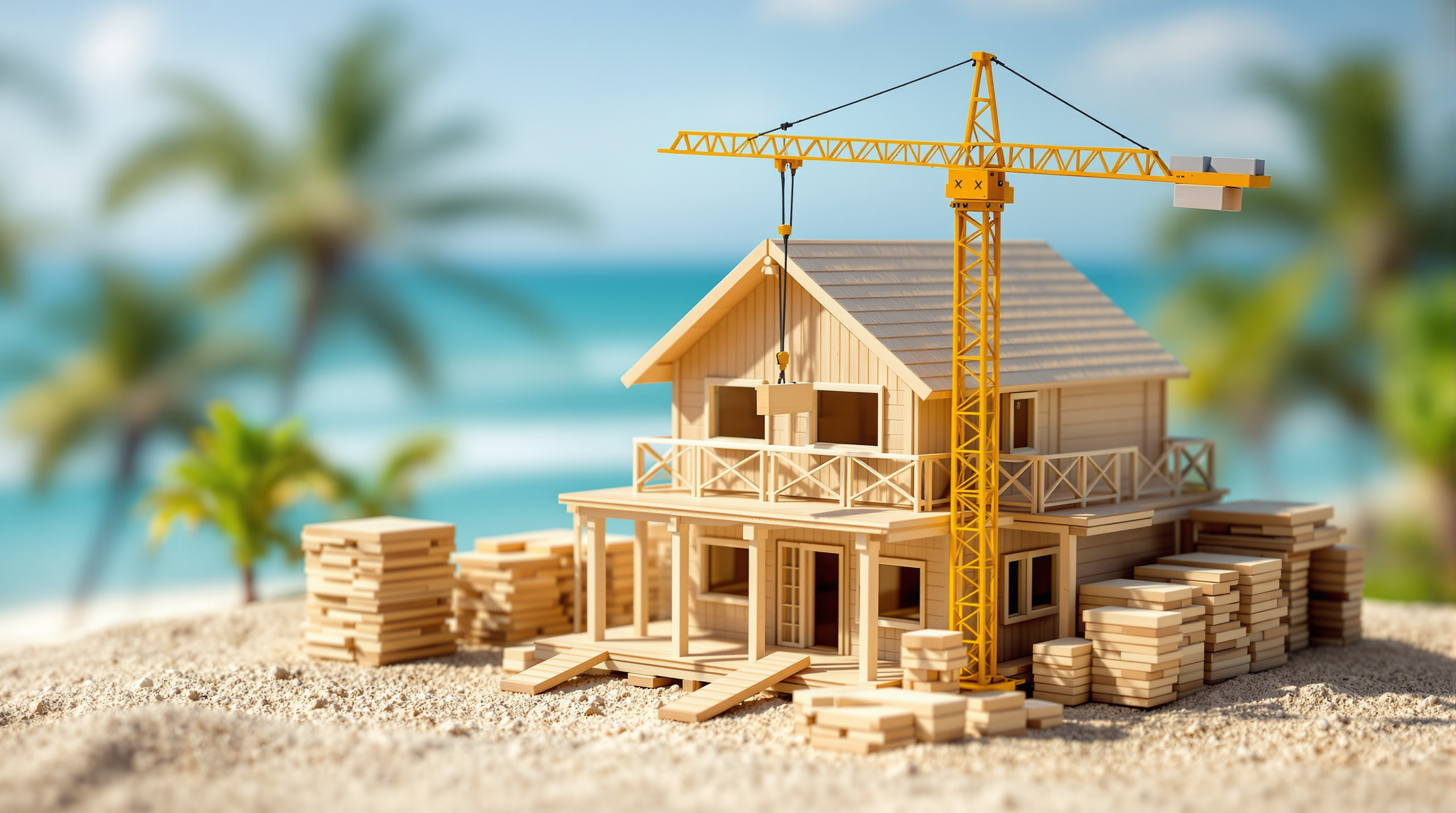
Tariffs, Lumber Costs, and Mortgage Lending: Navigating Florida Real Estate
Florida’s real estate market, a vibrant and dynamic landscape, is increasingly susceptible to external economic pressures. Fluctuations in lumber prices, often exacerbated by tariffs, and the ever-shifting landscape of mortgage lending, are creating a complex environment for homebuyers, investors, and industry professionals alike. Understanding these interconnected factors is crucial for anyone looking to navigate the Sunshine State’s property market successfully.
This article dives into the intricate relationship between tariffs, lumber costs, and mortgage lending, specifically within the context of Florida real estate. We will explore how these elements impact home prices, affordability, and investment strategies, offering insights and actionable advice for making informed decisions in today’s market. Learn how to weather the storm and capitalize on opportunities in Florida’s ever-evolving real estate sector.
The Tariff Tango: Impact on Lumber and Construction
Tariffs, imposed on imported goods like Canadian lumber, directly affect the cost of construction materials in Florida. As one of the largest consumers of lumber in the United States, Florida’s housing market feels the pinch of these tariffs acutely. Higher lumber prices translate to increased construction costs for new homes, renovations, and even repairs after hurricanes.
See current listings in Florida (Source: Zillow)
This ripple effect impacts affordable housing initiatives and can deter developers from undertaking new projects, ultimately limiting the supply of available homes. Existing homeowners may also face higher costs for necessary repairs, especially after storm damage. The construction industry, a major employer in Florida, is also vulnerable to these price increases.
Lumber Costs and the Florida Homebuyer
For prospective homebuyers, rising lumber costs translate directly into higher purchase prices. This is particularly challenging in a state already grappling with affordability issues. The increased cost of new construction, coupled with high demand, can push prices beyond the reach of many first-time buyers and those with limited budgets. Lumber costs have seen dramatic spikes and dips over the past several years.
Learn more about how policies affect the housing market (Source: Bankrate)
To mitigate these challenges, prospective buyers might consider:
- Exploring existing homes instead of new construction.
- Looking at smaller homes or properties in less expensive areas.
- Delaying purchase plans until lumber prices stabilize.
Mortgage Lending: Navigating the Interest Rate Seas
Mortgage interest rates play a pivotal role in determining the overall cost of homeownership. While tariffs and lumber costs affect the price of a home, mortgage rates influence the affordability of financing that purchase. Fluctuations in the broader economic climate, including inflation and Federal Reserve policy, can cause rates to swing, impacting the monthly payments and total interest paid over the life of a loan.
Borrowers need to carefully consider their financial situation, including credit score, debt-to-income ratio, and down payment amount, to secure the most favorable mortgage terms. Working with a knowledgeable mortgage lender can help navigate the available options and find a loan product that aligns with individual needs and goals.
Strategies for Investors in the Current Climate
For real estate investors in Florida, the current climate presents both challenges and opportunities. The key is to adopt a strategic approach that takes into account the interplay between tariffs, lumber costs, and mortgage rates.
Consider these strategies:
- Focus on Value-Add Properties: Invest in existing properties that require renovation but offer significant upside potential.
- Explore Alternative Building Materials: Research and utilize alternative building materials that are less susceptible to tariff-related price fluctuations.
- Long-Term Perspective: Adopt a long-term investment horizon and be prepared to weather short-term market volatility.
Conclusion: Staying Informed and Adapting to Change
Navigating Florida’s real estate market in the face of tariffs, fluctuating lumber costs, and evolving mortgage lending conditions requires a proactive and informed approach. By understanding these interconnected factors and adopting appropriate strategies, homebuyers, investors, and industry professionals can successfully navigate the challenges and capitalize on the opportunities that the Sunshine State has to offer. Stay informed, adapt to change, and seek expert guidance to make sound real estate decisions.
Schedule Your Free Consultation
FAQ Section
How does the lumber tariff impact on Florida home prices?
Lumber tariffs increase the cost of building materials, leading to higher construction costs for new homes in Florida. This often translates into increased purchase prices for buyers.
What is the relationship between Florida mortgage rates and lumber costs?
While lumber costs primarily affect the price of new homes, mortgage rates influence the affordability of financing a home purchase. Rising lumber costs can make a home less affordable, and higher mortgage rates further exacerbate the affordability challenge for Florida homebuyers.
How are tariffs affecting Florida real estate market?
Tariffs can lead to uncertainty in the market, potentially deterring developers from starting new projects due to increased costs and price volatility.
What are the Florida housing market lumber price trends?
Lumber prices in Florida, like elsewhere, have experienced significant volatility in recent years, influenced by tariffs, supply chain disruptions, and increased demand. Staying updated on these trends is crucial for both buyers and sellers.
How lumber tariffs influence Florida mortgages?
Lumber tariffs don’t directly influence mortgage rates. Rather, the higher building costs due to tariffs lead to higher home prices, influencing the loan amount needed by homebuyers.
What is the outlook for Florida real estate investment and lumber tariffs?
Investors need to carefully assess the impact of tariffs on their projects’ costs and potential returns. Focusing on value-add properties or exploring alternative building materials can help mitigate risks.
What mortgage lending strategies can be used in Florida lumber costs?
Strategies for securing financing in this environment include improving credit scores, reducing debt-to-income ratios, and shopping around for the most favorable mortgage terms.
What are the effects of Florida new construction lumber tariff?
Tariffs on lumber increase construction costs for new homes, potentially slowing down new construction and contributing to a limited housing supply.
How can Florida have affordable housing despite lumber prices tariffs?
Exploring smaller properties, buying in less expensive areas, and seeking government assistance programs can help buyers afford homes despite the lumber tariff influences.
What is the Florida real estate market forecast lumber tariffs?
Predicting the market with certainty is impossible. However, the consensus is that prices will continue to increase.