13 Oct, 2025

* **Inventory:** Florida’s housing inventory remains relatively low compared to historical averages, but is rising in many areas.
* **Interest Rates:** Mortgage rates significantly impact affordability, hovering around 7% and influencing buyer demand.
* **Price Appreciation:** Home price appreciation has slowed considerably or plateaued in some Florida markets after a period of rapid growth. Some areas are experiencing price reductions.
* **Market Dynamics:** Different Florida regions exhibit varying market conditions. Coastal areas may see different trends than inland areas.
* **Economic Factors:** Florida’s strong population growth continues to drive demand, but this is offset by concerns about inflation and overall economic uncertainty.
* **Days on Market (DOM):** DOM are increasing, indicating homes are staying on the market longer than in the recent past.
* **Sales Volume:** Home sales volume is down compared to the peak of the market, suggesting a cooling trend.
* **New Construction:** A surge of new construction in certain areas is adding to inventory and potentially impacting resale prices.

13 Oct, 2025

* **Inventory:** Florida’s housing inventory remains relatively low compared to historical averages, but is rising in many areas.
* **Interest Rates:** Mortgage rates significantly impact affordability, hovering around 7% and influencing buyer demand.
* **Price Appreciation:** Home price appreciation has slowed considerably or plateaued in some Florida markets after a period of rapid growth. Some areas are experiencing price reductions.
* **Market Dynamics:** Different Florida regions exhibit varying market conditions. Coastal areas may see different trends than inland areas.
* **Economic Factors:** Florida’s strong population growth continues to drive demand, but this is offset by concerns about inflation and overall economic uncertainty.
* **Days on Market (DOM):** DOM are increasing, indicating homes are staying on the market longer than in the recent past.
* **Sales Volume:** Home sales volume is down compared to the peak of the market, suggesting a cooling trend.
* **New Construction:** A surge of new construction in certain areas is adding to inventory and potentially impacting resale prices.
9 Oct, 2025

Florida’s real estate market is currently exhibiting mixed signals.

* **Rising Inventory:** Housing inventory has increased significantly in many Florida markets compared to 2022 and 2023, giving buyers more options.
* **Slowing Price Appreciation:** Price growth has decelerated considerably, and some areas are experiencing price corrections or declines, particularly in previously overheated markets.
* **High Interest Rates:** Mortgage rates remain elevated, impacting affordability and dampening buyer demand.
* **Increased Days on Market:** Homes are staying on the market longer, signaling a shift towards a more balanced market favoring buyers.
* **Regional Variations:** The market varies significantly by region. Coastal areas and those popular with remote workers saw the most drastic price increases during the pandemic, thus the most price corrections.
* **Florida’s Population Growth:** Continued population growth is still a driver of housing demand in the long term.
* **Insurance Costs:** High and rising property insurance costs remain a significant factor affecting affordability for Florida homeowners.
* **Foreclosure Rates**: Foreclosure rates remain low compared to historical averages, but have begun slowly creeping upward.

2 Oct, 2025

– Florida’s housing market is experiencing fluctuations, with some areas seeing price adjustments after a period of rapid growth.
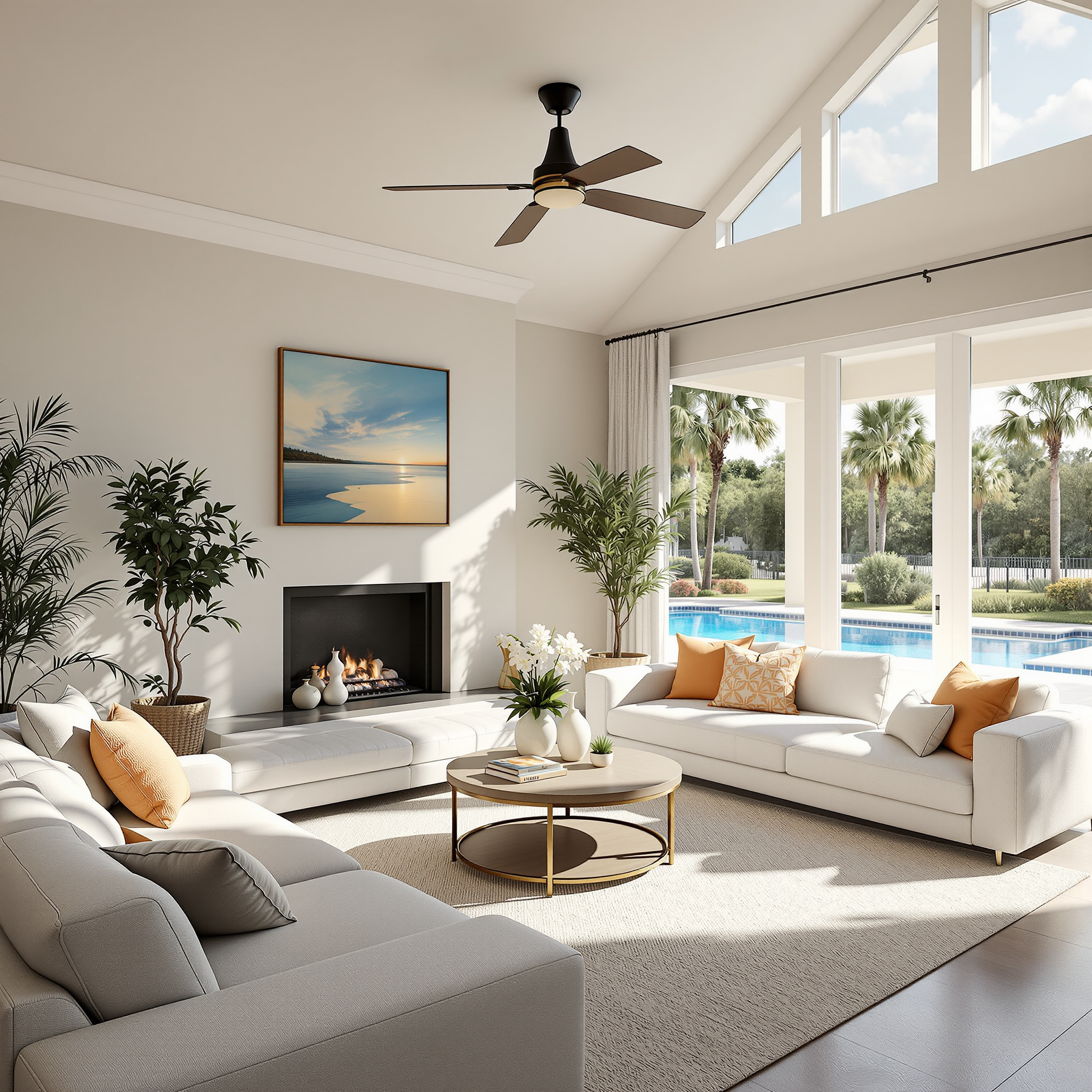
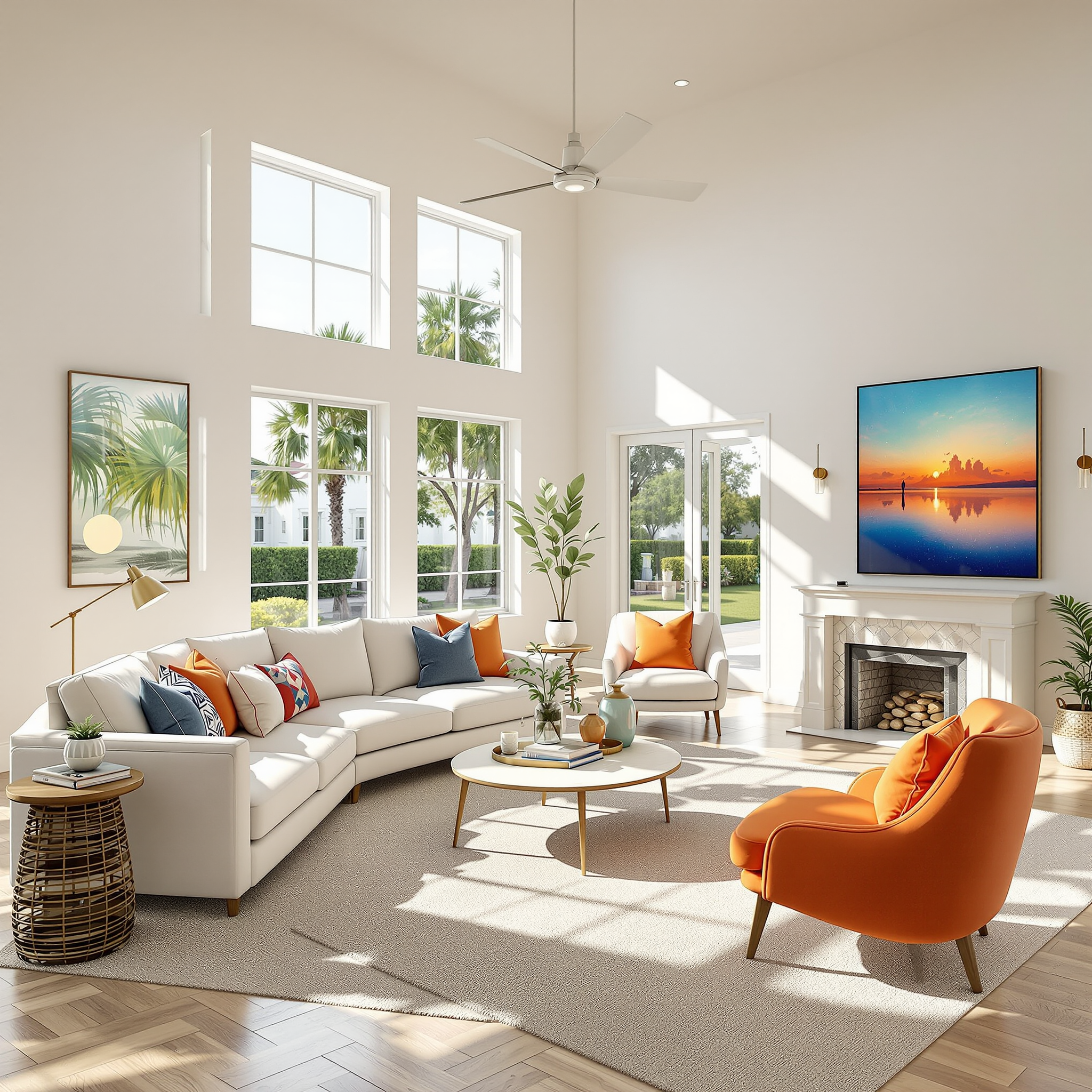
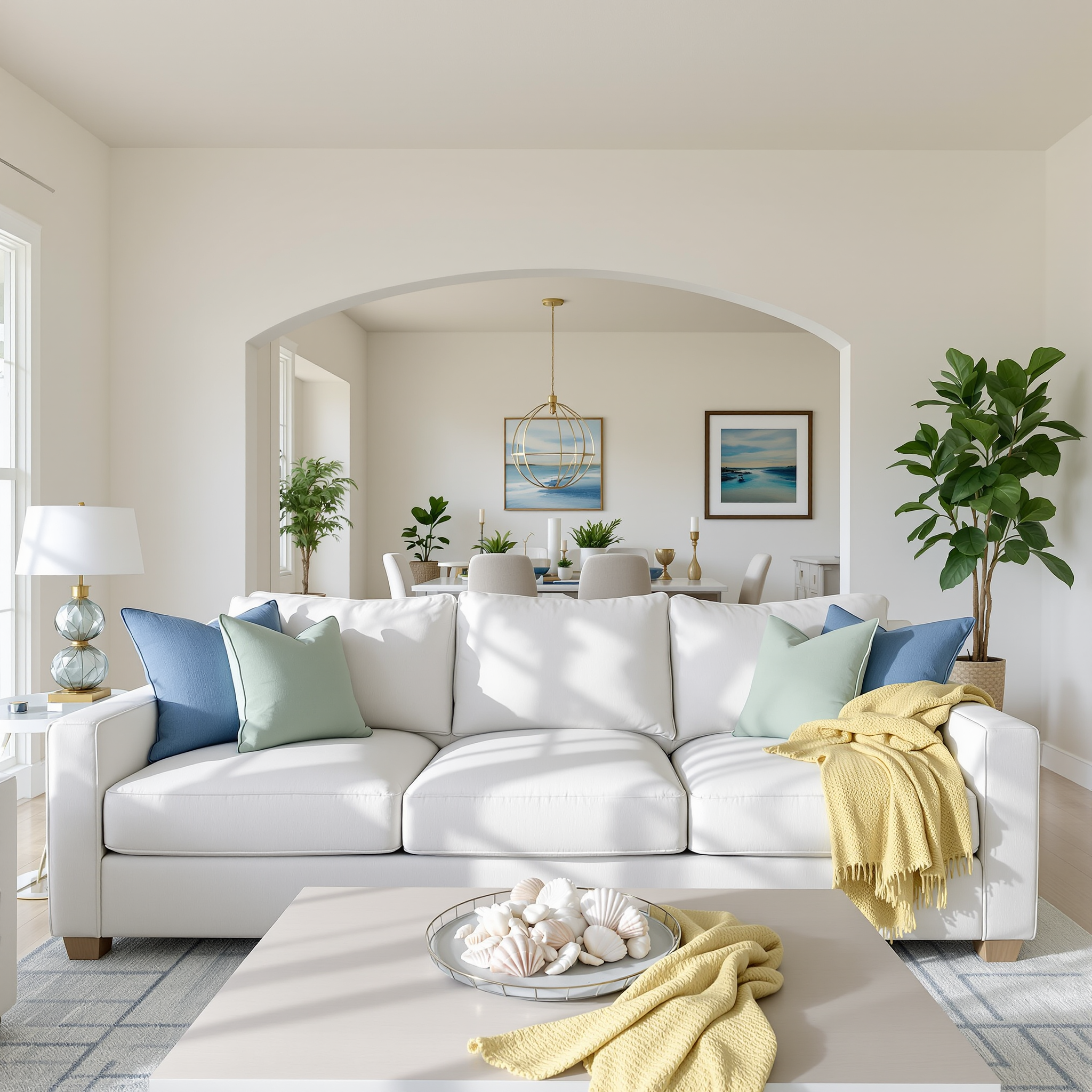
– Staging and professional photography are crucial for attracting buyers; staged homes can sell for up to 5% more and spend 73% less time on the market (NAR data).
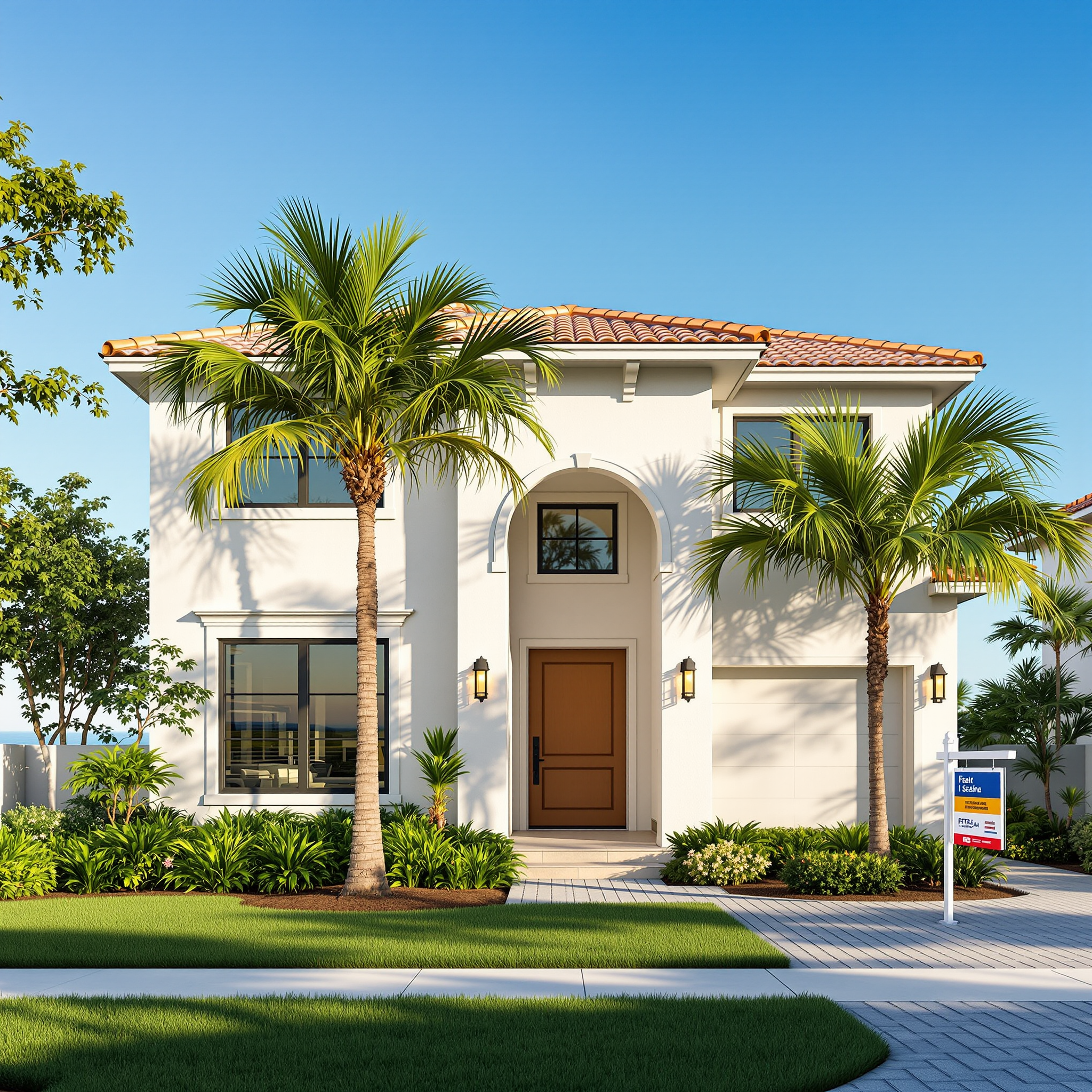
– Curb appeal improvements, such as landscaping and fresh paint, offer a high ROI, potentially recouping 100% of investment.
– Energy-efficient upgrades (solar panels, energy-efficient appliances) are increasingly attractive to Florida buyers due to rising energy costs. Homes with energy-efficient features may see a 3-5% price premium.
– Strategic pricing is key. Overpricing can lead to longer listing times and eventual price reductions, ultimately lowering the final sale price. Analyze comparable sales data (comps) from the last 3-6 months.
– Emphasize unique property features and community amenities to differentiate your home.
– Consider offering buyer incentives, such as closing cost assistance or home warranties, to incentivize offers.
– Market to out-of-state buyers: Florida remains a popular relocation destination, particularly for those from colder climates or high-tax states.
– Work with a local real estate agent familiar with current market trends and neighborhood-specific dynamics for optimized selling strategies.

26 Sep, 2025

Florida’s housing market is competitive, requiring strategic selling approaches. Key facts:

* **Inventory:** Florida’s housing inventory remains relatively low compared to historical averages, creating a seller’s market in many areas.
* **Median Sale Price:** The median sale price in Florida varies significantly by region but has generally increased year-over-year, albeit at a slower pace than recent years.
* **Days on Market (DOM):** DOM has increased in some markets, indicating buyers are taking more time to decide. Strategically priced homes sell faster.
* **Staging:** Professionally staged homes can sell for up to 5% more than non-staged homes, according to the National Association of REALTORS®.
* **Marketing:** High-quality professional photography and virtual tours are essential. Listings with these features attract more online views.
* **Negotiation:** Understanding current market trends allows for confident and effective negotiation. Being prepared to offer seller concessions, such as covering closing costs or offering home warranties, can attract buyers.
* **Seasonality:** Sales activity often peaks in spring and summer.
* **Interest Rates:** Fluctuating interest rates impact affordability and buyer demand.
* **Cash Buyers:** A significant percentage of Florida transactions involve cash buyers, offering quick closings but potentially lower offers.
* **Property Type:** Condominiums, single-family homes, and waterfront properties show varying levels of demand and appreciation depending on the location.

26 Sep, 2025

– Florida’s housing market is showing signs of cooling, with inventory rising and price growth slowing.
– Median home prices remain elevated, but price reductions are becoming more common in some areas.
– Mortgage rates significantly impact affordability, influencing buyer demand. The current interest rates are averaging between 6% and 7%.
– Florida experienced a population surge in recent years, impacting housing demand, but growth is slowing.
– Increased insurance premiums and property taxes are adding to the overall cost of homeownership in Florida, potentially deterring some buyers.
– Days on market are increasing, indicating a shift towards a more balanced market favoring buyers.
– Tourist activity and seasonal residents influence demand in certain Florida markets.
– Cash buyers remain a significant factor, particularly in luxury markets.
– New construction is adding to the housing supply, potentially easing inventory constraints.
– Some analysts are predicting a potential correction in certain Florida markets, while others anticipate continued moderate growth.

25 Sep, 2025

Home staging in Florida can significantly impact sales price and time on market. Staged homes sell, on average, 73% faster than non-staged homes (NAR). 83% of buyer’s agents say staging makes it easier for buyers to visualize themselves in the home (NAR). Staged homes can see an increase of 1% to 5% in sales price compared to non-staged homes. A 2023 RESA study found that staged homes averaged $40,000 over list price, selling for 10-15% more than comparable unstaged homes. Focus should be on decluttering, depersonalizing, and highlighting key features. ROI on staging can be 5-15% or higher. Curb appeal is crucial, with 71% of buyers saying it influences their decision (NAR). Neutral color palettes and updated landscaping are key elements of effective staging.

23 Sep, 2025

Home staging in Florida can significantly impact sales. Staged homes sell an average of 73% faster than non-staged homes. Approximately 95% of staged homes sell in 11 days or less, compared to the average of 90 days for non-staged properties. Staging can yield an ROI of 5-15% over the un-staged listing price. Focus areas for Florida homes include curb appeal improvements to combat sun and weather damage, light and airy interiors to appeal to buyers seeking the Florida lifestyle, and decluttering to showcase open floor plans favored in the region. Virtual staging is a cost-effective option, especially for vacant properties.

17 Sep, 2025

Florida property values experienced significant fluctuations recently.

* Median home values soared during the pandemic, peaking in early 2023 in many areas.
* Some markets saw double-digit percentage increases year-over-year.
* Rising interest rates and increased inventory have cooled the market, leading to price stabilization or minor corrections in some areas.
* Property value variations exist greatly among different regions. Coastal properties tend to command higher values.
* The statewide median sales price for single-family homes in November 2023 was \$405,000 (Florida Realtors).
* Inventory levels continue to rise; months’ supply of inventory at 3.2 months in November 2023 (Florida Realtors).
* Market factors, such as new construction, demographics, and economic growth, impact local property values.
* Assessments for property taxes may lag behind current market values.
* Homeowner’s insurance costs in Florida are a significant factor impacting affordability and values.
* Flood risk influences property values, especially in coastal areas.

16 Sep, 2025

Home staging in Florida can significantly impact sale price and speed. Staged homes sell, on average, 73% faster than non-staged homes, according to the Real Estate Staging Association (RESA). Staged homes can sell for up to 20% more than unstaged counterparts. Investing 1-3% of the home’s value in staging can yield an ROI of 8-10%. Key staging focuses in Florida include maximizing natural light, creating a clean and clutter-free environment, and showcasing the property’s potential with updated furniture and décor. Coastal-themed staging, reflecting Florida’s lifestyle, is often effective. Professional staging is preferred by 40% of buyers’ agents as staging influences buyer perception in a positive way.