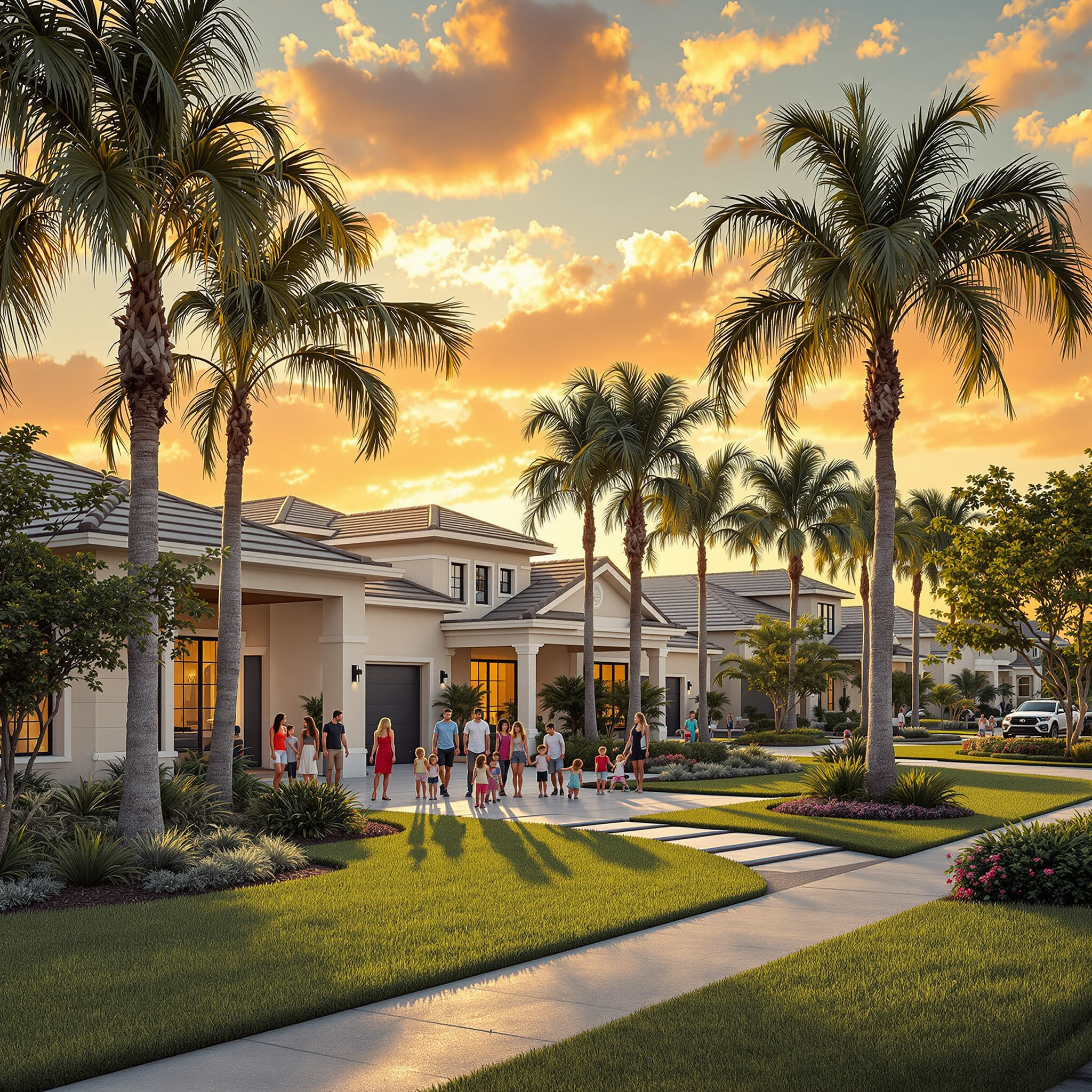
Florida Homeownership Essentials: Your Complete Guide to Buying, Selling, and Thriving
So, you’re thinking about diving into the world of Florida homeownership? Or maybe you’re already a homeowner looking to navigate the Sunshine State’s unique real estate landscape? Either way, you’ve come to the right place! Buying or selling a home is a big decision, and doing it in Florida comes with its own set of opportunities and challenges. I’m here to break it all down for you, from finding your dream home to managing those Florida-specific costs. Let’s get started!
Understanding the Florida Real Estate Market
The Florida real estate market is dynamic, to say the least! With a homeownership rate around 68%, it’s clear that owning property is a popular goal here. But, several factors influence the market.
Right now (2024), the median home price statewide hovers around $400,000 – $450,000. Keep in mind, though, that this varies drastically depending on location. Coastal areas like Miami, Naples, and Sarasota command significantly higher prices than inland regions. Demand is high in popular markets such as Tampa, Orlando, Jacksonville, and Southwest Florida, which often creates a seller’s market. What does this mean? Expect competitive bidding and potentially faster sales.
Florida’s rapid population growth continues to impact housing supply and affordability, so staying informed is key!
Buying a Home in Florida: A Step-by-Step Guide
Embarking on the journey of buying a home in Florida? Here’s what I’ve learned through my experience:
- Get Pre-Approved: Before you even start browsing listings, get pre-approved for a mortgage. This gives you a clear idea of your budget and strengthens your offer when you find the perfect place.
- Find a Great Real Estate Agent: A local real estate agent is invaluable. They understand the nuances of the Florida market and can guide you through the process. Remember, commissions typically range from 5% to 6% of the sale price, split between the buyer’s and seller’s agents.
- Start Your Search: Online listings, open houses, and agent recommendations are all great resources. Be prepared to act quickly in a competitive market.
- Make an Offer: Work with your agent to craft a competitive offer, considering factors like price, contingencies, and closing date.
- Home Inspection: Don’t skip the home inspection! This is crucial for identifying any potential issues before you commit.
- Secure Financing: Work with your lender to finalize your mortgage and secure the best possible terms.
- Closing: The final step! Sign the paperwork, transfer funds, and get the keys to your new home!
Don’t forget to explore down payment assistance programs available to first-time homebuyers! There are state and local initiatives designed to help you achieve your homeownership dreams.
Selling Your Home in Florida: Maximizing Your Return
Ready to sell? Here’s my take on navigating the process effectively:
- Find a Listing Agent: Again, a local expert is key. They’ll help you price your home competitively and market it effectively.
- Prepare Your Home: First impressions matter! Declutter, make necessary repairs, and stage your home to showcase its best features.
- Marketing and Showings: Your agent will handle the marketing, but be prepared for showings and open houses.
- Negotiate Offers: Work with your agent to negotiate the best possible price and terms.
- Disclosures: Honesty is the best policy. As a seller, you’re required to disclose any known material defects that could affect the property’s value.
- Closing: Similar to buying, this involves signing paperwork, transferring ownership, and handing over the keys.
The Cost of Florida Homeownership: Beyond the Mortgage
It’s crucial to understand the ongoing costs associated with Florida homeownership. Here’s what I’ve learned:
- Property Taxes: Florida’s average effective property tax rate is around 0.85% – 1.1%. However, the homestead exemption can significantly lower your tax burden if the property is your primary residence.
- Homeowners Insurance: This is a big one! Due to hurricane risk, expect to pay higher premiums. The average homeowner insurance premium is around $6,000 per year, but it can be much higher in high-risk zones.
- Flood Insurance: Often required, especially in coastal areas. Factor this into your budget.
- Home Maintenance: Budget for ongoing maintenance, repairs, and landscaping.
- HOA Fees (If Applicable): If your property is part of a homeowners association, factor in monthly or annual fees. Be sure to understand the HOA rules before buying.
Thriving as a Florida Homeowner: Tips and Considerations
Beyond the financial aspects, here are some tips for thriving in your Florida home:
- Hurricane Preparedness: It’s not a matter of if, but when. Develop a hurricane preparedness plan, secure your property, and stay informed during hurricane season.
- Pest Control: Florida’s warm climate is also attractive to pests. Regular pest control is essential.
- Embrace the Lifestyle: Enjoy the sunshine, beaches, and outdoor activities that make Florida so appealing!
Conclusion
Buying, selling, or simply owning a home in Florida requires understanding the state’s unique real estate landscape. From navigating the competitive Florida real estate market to preparing for hurricane season, I hope this guide has provided you with valuable insights. The key is to stay informed, work with trusted professionals, and embrace the Florida lifestyle. Don’t hesitate to reach out for help, and good luck on your Florida homeownership journey!
Schedule Your Free Consultation
Frequently Asked Questions (FAQ)