12 Jun, 2025

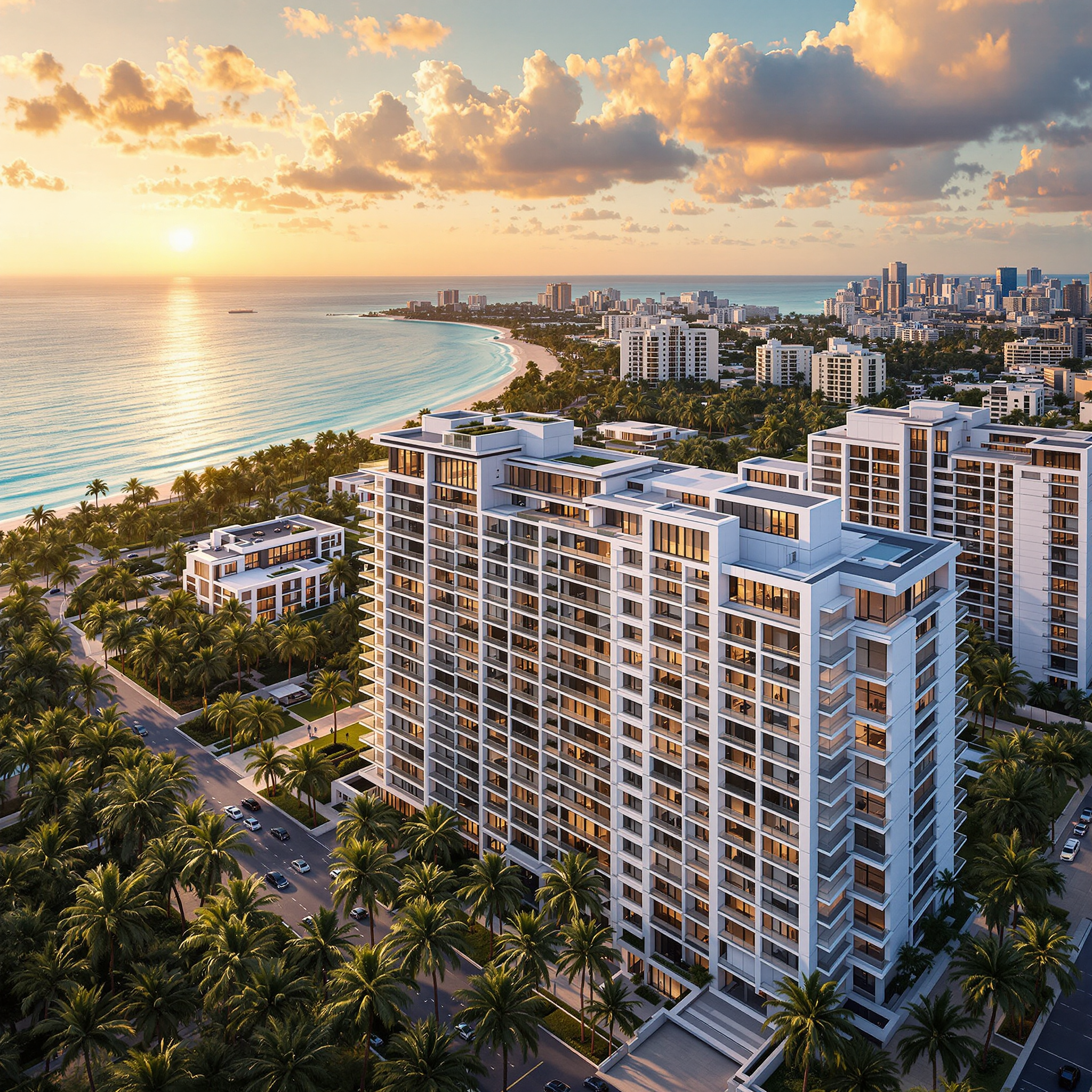
Florida’s apartment market is experiencing significant growth and opportunity, but also increasing challenges.

* **Population Growth:** Florida’s population increased by roughly 1.9% from 2022 to 2023, adding approximately 416,754 residents, fueling apartment demand.
* **Rent Growth Deceleration:** While rents surged previously, rent growth is slowing, with some markets experiencing negative growth.
* **Increased Supply:** A surge in new apartment construction is hitting the market, potentially impacting occupancy rates and rent prices.
* **Higher Insurance Costs:** Property insurance rates in Florida are significantly higher than the national average and continue to climb, impacting investment profitability.
* **Interest Rates Impact:** Rising interest rates are making financing more expensive, impacting acquisition costs and potentially reducing investor returns.
* **Cap Rate Compression:** Cap rates have compressed in recent years, but may adjust upward due to interest rate hikes and market conditions.
* **Strong Job Market:** Florida has a robust job market, particularly in sectors like tourism, healthcare, and technology, which supports housing demand.
* **Specific Markets:** Cities like Tampa, Orlando, and Jacksonville have seen considerable growth, but also face varying degrees of supply pressure.
* **Investment Considerations:** Location, property class, and management quality are crucial factors for successful apartment investment in Florida’s current environment.
12 Jun, 2025

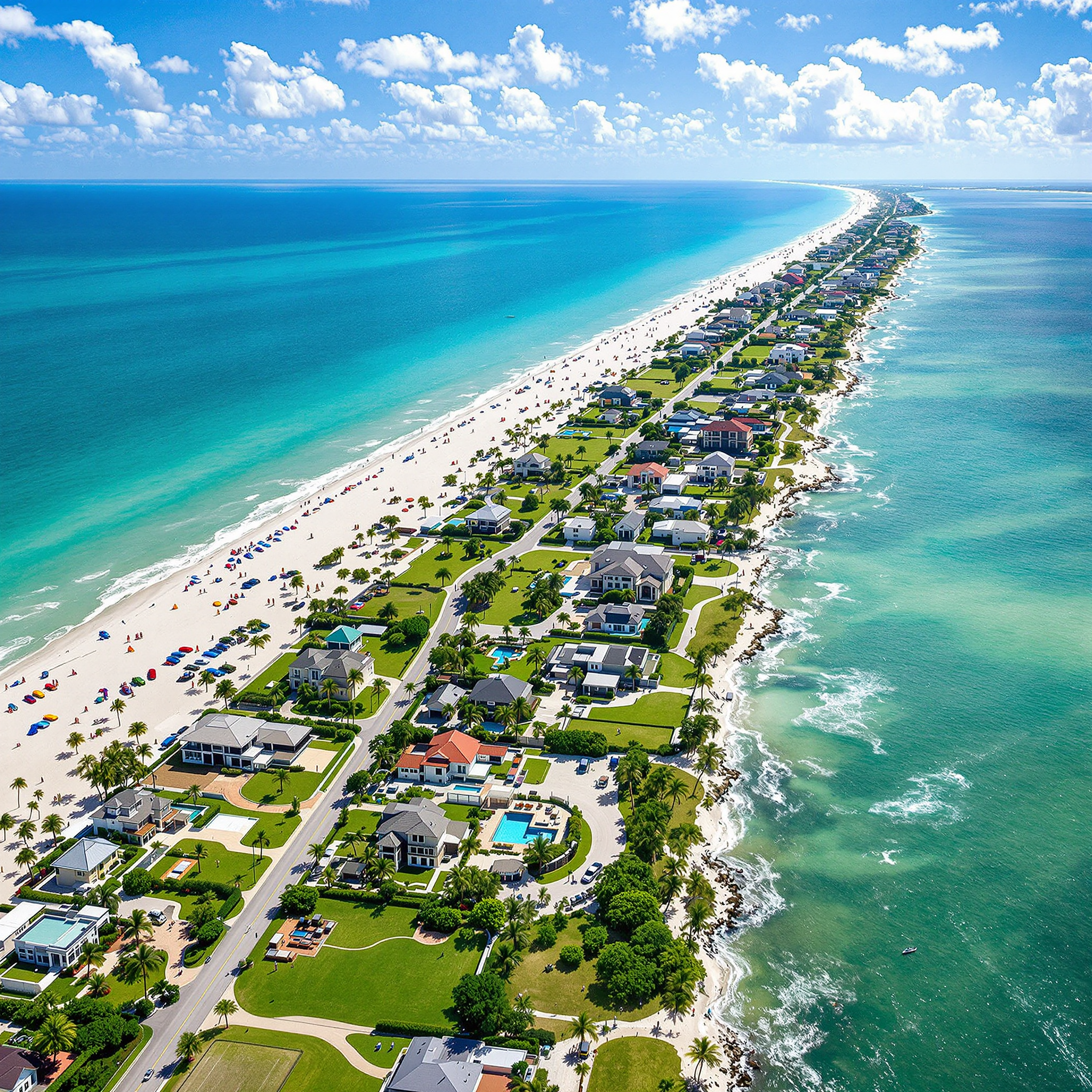
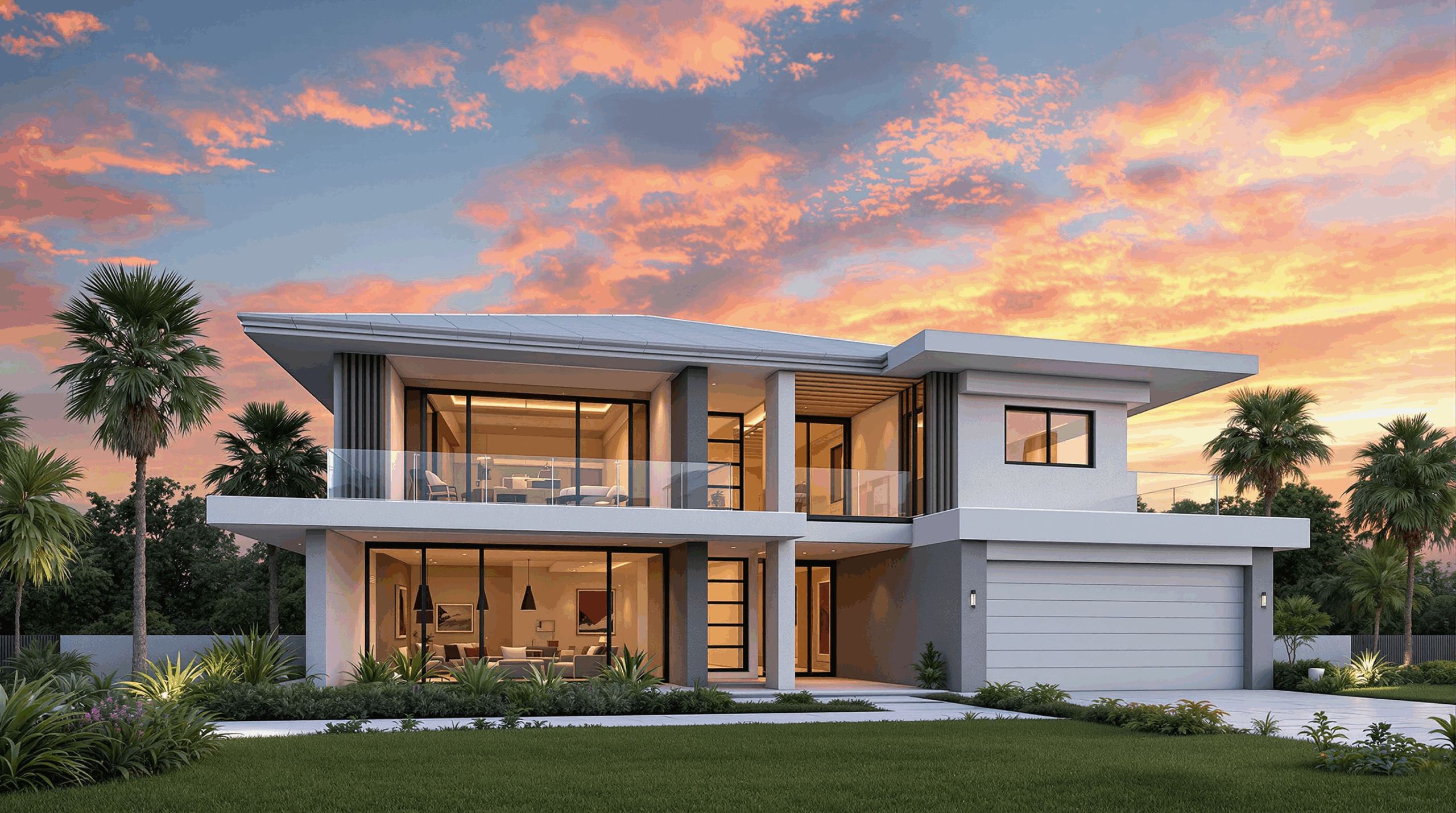
* **Florida’s housing market is normalizing after a period of rapid growth:** Expecting slower appreciation and increased inventory.
* **Population growth remains a key driver:** Florida continues to attract residents, although at a reduced pace compared to 2020-2022.
* **Interest rates & Insurance costs impact affordability:** Higher mortgage rates and escalating insurance premiums are challenging potential buyers.
* **Regional Variations Exist:**
* **Southeast Florida (Miami, Fort Lauderdale):** Luxury market softening; high-end inventory rising; still strong rental demand.
* **Southwest Florida (Naples, Cape Coral):** Recovery from Hurricane Ian impacting the market; some areas seeing price corrections.
* **Central Florida (Orlando, Tampa):** Theme park employment stabilizing; robust job growth in other sectors; relatively more affordable than coastal areas.
* **Northeast Florida (Jacksonville):** Continued population influx; strong job market; offering more value compared to South Florida.
* **Inventory:** Statewide inventory levels are up compared to recent lows but still below pre-pandemic levels.
* **Days on Market (DOM):** DOM is increasing, indicating a shift towards a more balanced market.
* **Investment Considerations:** Consider cash flow properties, renovation opportunities in impacted areas, and long-term rental demand in areas with continued job growth. Affordability is a key factor.
* **Data Point:** Median sales price increases are decelerating statewide, with some areas experiencing price decreases year-over-year.

12 Jun, 2025

* **Inventory:** Florida’s housing inventory remains relatively low compared to historical averages, although it’s been increasing year-over-year in many metro areas. Some markets have seen double-digit percentage increases in active listings.
* **Median Home Prices:** While prices surged dramatically in 2021-2022, appreciation has cooled. Some areas are experiencing price corrections or stabilization. The statewide median sales price for single-family homes has shown some fluctuations but remains elevated compared to pre-pandemic levels.
* **Interest Rates:** Mortgage interest rates are significantly higher than in the recent past, impacting affordability and buyer demand. This has led to a shift towards a more balanced market.
* **Days on Market:** Homes are staying on the market longer than they were a year or two ago, indicating a slower sales pace.
* **Sales Volume:** Closed sales have decreased year-over-year in many regions, reflecting the reduced buyer activity due to higher rates and prices.
* **Regional Variations:** The Florida real estate market is highly localized. Coastal areas and popular destinations may exhibit different trends than inland or less-developed regions. Demand and pricing vary significantly across different counties and cities.
* **New Construction:** New construction is adding to the housing supply in some areas, potentially impacting resale values.
* **Migration:** Florida’s population growth continues, but may be slowing compared to the peak of pandemic-era migration. In-migration still supports overall demand, but it is not as robust as it once was.

12 Jun, 2025

* **Inventory:** Florida’s housing inventory remains relatively low compared to historical averages, although it’s been increasing year-over-year in many metro areas. Some markets have seen double-digit percentage increases in active listings.
* **Median Home Prices:** While prices surged dramatically in 2021-2022, appreciation has cooled. Some areas are experiencing price corrections or stabilization. The statewide median sales price for single-family homes has shown some fluctuations but remains elevated compared to pre-pandemic levels.
* **Interest Rates:** Mortgage interest rates are significantly higher than in the recent past, impacting affordability and buyer demand. This has led to a shift towards a more balanced market.
* **Days on Market:** Homes are staying on the market longer than they were a year or two ago, indicating a slower sales pace.
* **Sales Volume:** Closed sales have decreased year-over-year in many regions, reflecting the reduced buyer activity due to higher rates and prices.
* **Regional Variations:** The Florida real estate market is highly localized. Coastal areas and popular destinations may exhibit different trends than inland or less-developed regions. Demand and pricing vary significantly across different counties and cities.
* **New Construction:** New construction is adding to the housing supply in some areas, potentially impacting resale values.
* **Migration:** Florida’s population growth continues, but may be slowing compared to the peak of pandemic-era migration. In-migration still supports overall demand, but it is not as robust as it once was.

12 Jun, 2025

* **Inventory:** Florida’s housing inventory remains relatively low compared to historical averages, although it’s been increasing year-over-year in many metro areas. Some markets have seen double-digit percentage increases in active listings.
* **Median Home Prices:** While prices surged dramatically in 2021-2022, appreciation has cooled. Some areas are experiencing price corrections or stabilization. The statewide median sales price for single-family homes has shown some fluctuations but remains elevated compared to pre-pandemic levels.
* **Interest Rates:** Mortgage interest rates are significantly higher than in the recent past, impacting affordability and buyer demand. This has led to a shift towards a more balanced market.
* **Days on Market:** Homes are staying on the market longer than they were a year or two ago, indicating a slower sales pace.
* **Sales Volume:** Closed sales have decreased year-over-year in many regions, reflecting the reduced buyer activity due to higher rates and prices.
* **Regional Variations:** The Florida real estate market is highly localized. Coastal areas and popular destinations may exhibit different trends than inland or less-developed regions. Demand and pricing vary significantly across different counties and cities.
* **New Construction:** New construction is adding to the housing supply in some areas, potentially impacting resale values.
* **Migration:** Florida’s population growth continues, but may be slowing compared to the peak of pandemic-era migration. In-migration still supports overall demand, but it is not as robust as it once was.

12 Jun, 2025

“I was always a home builder, but lately I’ve developed an apartment complex.” Here in Florida, so many structures are made of stucco because stucco is fairly inexpensive, creates a great finished look, and is easy to apply to homes constructed with concrete blocks. But it can be damaged as a house shifts and settles over time. Companies like Icon, or COBOD International, are making news with their 3-D printed homes (and communities) that build houses layer by layer with cement-based material. But they have generated more headlines than buildings: “Building houses that work twice as good in half the time at the half the price” is a noble goal. The method is largely used to construct walls while conventional methods are used for foundations, floors, roofs, and finishes. Builders have created innovation arms… Lennar, for example, has LenX). Speaking of which, MBA Chairperson Laura Escobar echoed what every MLO in Florida, and most around the nation, know: make homeowner’s insurance and HOA fees part of the pre-qual discussion. (After 6:30AM PT today’s podcast can be found here and this week’s are presented by Flyhomes, the leading wholesale lender for Buy Before You Sell solutions. Whether your borrowers run into DTI issues, need to unlock home equity for down payment, make a stronger, cash-like offer, or even move potentially with no cash out of pocket, Flyhomes provides a full suite of financial products to help them move forward, before selling their current home. Hear an interview with Jeremy Potter and Brian Levy on how the conforming credit box that once offered liquidity to the mortgage market is now fading into obsolescence with the rise of products like non-QM and other creative lending solutions.)

11 Jun, 2025

* **Inventory:** Florida’s housing inventory remains relatively low compared to historical averages, although it’s been increasing year-over-year in many metro areas. Some markets have seen double-digit percentage increases in active listings.
* **Median Home Prices:** While prices surged dramatically in 2021-2022, appreciation has cooled. Some areas are experiencing price corrections or stabilization. The statewide median sales price for single-family homes has shown some fluctuations but remains elevated compared to pre-pandemic levels.
* **Interest Rates:** Mortgage interest rates are significantly higher than in the recent past, impacting affordability and buyer demand. This has led to a shift towards a more balanced market.
* **Days on Market:** Homes are staying on the market longer than they were a year or two ago, indicating a slower sales pace.
* **Sales Volume:** Closed sales have decreased year-over-year in many regions, reflecting the reduced buyer activity due to higher rates and prices.
* **Regional Variations:** The Florida real estate market is highly localized. Coastal areas and popular destinations may exhibit different trends than inland or less-developed regions. Demand and pricing vary significantly across different counties and cities.
* **New Construction:** New construction is adding to the housing supply in some areas, potentially impacting resale values.
* **Migration:** Florida’s population growth continues, but may be slowing compared to the peak of pandemic-era migration. In-migration still supports overall demand, but it is not as robust as it once was.

11 Jun, 2025

Here in Tampa, I was walking through the hotel bar last night when I overheard someone say, “Age 60 might be the new 40, but 9:00 PM is the new midnight.” True dat. (There is also plenty of attention on the House Financial Services Committee advancing the Trigger Leads Bill.) Speaking of Florida, the state has certainly been subject to some dramatic business cycles over the last 100 years since the railroads helped populate the Sunshine State. ATTOM released its May 2025 U.S. Foreclosure Market Report, which shows there were a total of 35,498 U.S. properties with foreclosure filings, default notices, scheduled auctions, or bank repossessions, down 1 percent from a month ago but up 9 percent from a year ago: fewer starts but a continued rise in completed foreclosures. Delaware, Florida, and Illinois posted highest foreclosure rates. (Today’s podcast can be found here and this week’s are presented by Flyhomes, the leading wholesale lender for Buy Before You Sell solutions. Whether your borrowers run into DTI issues, need to unlock home equity for down payment, make a stronger, cash-like offer, or even move potentially with no cash out of pocket, Flyhomes provides a full suite of financial products to help them move forward, before selling their current home. Hear an interview with Flyhomes Dan Richards on the growing buy-before-you-sell (BBYS) market, with insights on the process, competitive advantages, wholesale focus, industry trends, and how brokers and consumers can get up to speed on this evolving home buying solution.)

10 Jun, 2025

Florida homeownership requires careful consideration of factors like rising property values, insurance costs, and hurricane preparedness.

* Median home price in Florida: Approximately $400,000 (fluctuates based on market conditions).
* Average property tax rate: Roughly 0.98% of assessed value annually.
* Homeowners insurance: Significantly higher than national average due to hurricane risk; average premium around $6,000 per year (varies greatly by location and coverage).
* Down payment: Typically 5-20% of purchase price.
* Credit score: Aim for 620 or higher for better mortgage rates.
* Closing costs: Generally 2-5% of the loan amount.
* First-time homebuyer programs: Available through Florida Housing Finance Corporation, offering down payment and closing cost assistance.
* Flood insurance: Often required, especially in coastal areas, through the National Flood Insurance Program (NFIP).
* Hurricane preparedness: Essential; factor in costs for shutters, generators, and evacuation plans.
* Property taxes are reassessed annually, potentially increasing your payments.
* HOA fees: Common, especially in planned communities; can range from a few hundred to thousands of dollars per year.

10 Jun, 2025

“Why is Ireland so expensive? House prices are always Dublin’.” Those days are temporarily over in the United States, and the pendulum is quickly swinging to more inventory and price cuts in many places and price points. (If you’re wondering where your client can pick up an average home for cheap: Most Affordable U.S. Cities to Buy a Home for $300k or less.) Of all the major metro markets, Phoenix boasted the greatest number of listings with price cuts, at 31.3%, up more than 7 percentage points from the same period last year amid rising inventory. (The typical home in Phoenix costs $525,000, representing a drop of more than 3% from May 2024.) Here in Tampa, citizens saw the second-biggest share of discounted listings, at just below 30%. The median list price in the Sunshine State market stood at $417,500, having shed 1.6% compared with the same time last year. Coming in at No. 3, Denver had 29.4% of local home sellers slash prices on their properties last month. (Today’s podcast can be found here and this week’s are presented by Flyhomes, the leading wholesale lender for Buy Before You Sell solutions. Whether your borrowers run into DTI issues, need to unlock home equity for down payment, make a stronger, cash-like offer, or even move potentially with no cash out of pocket, Flyhomes provides a full suite of financial products to help them move forward, before selling their current home. Hear an interview with LoanLogics’ Roby Robertson on the proliferation of the non-QM mortgage market, examining its key growth drivers, borrower trends, technological advancements, and how lenders are navigating risk and compliance amid shifting economic conditions.)