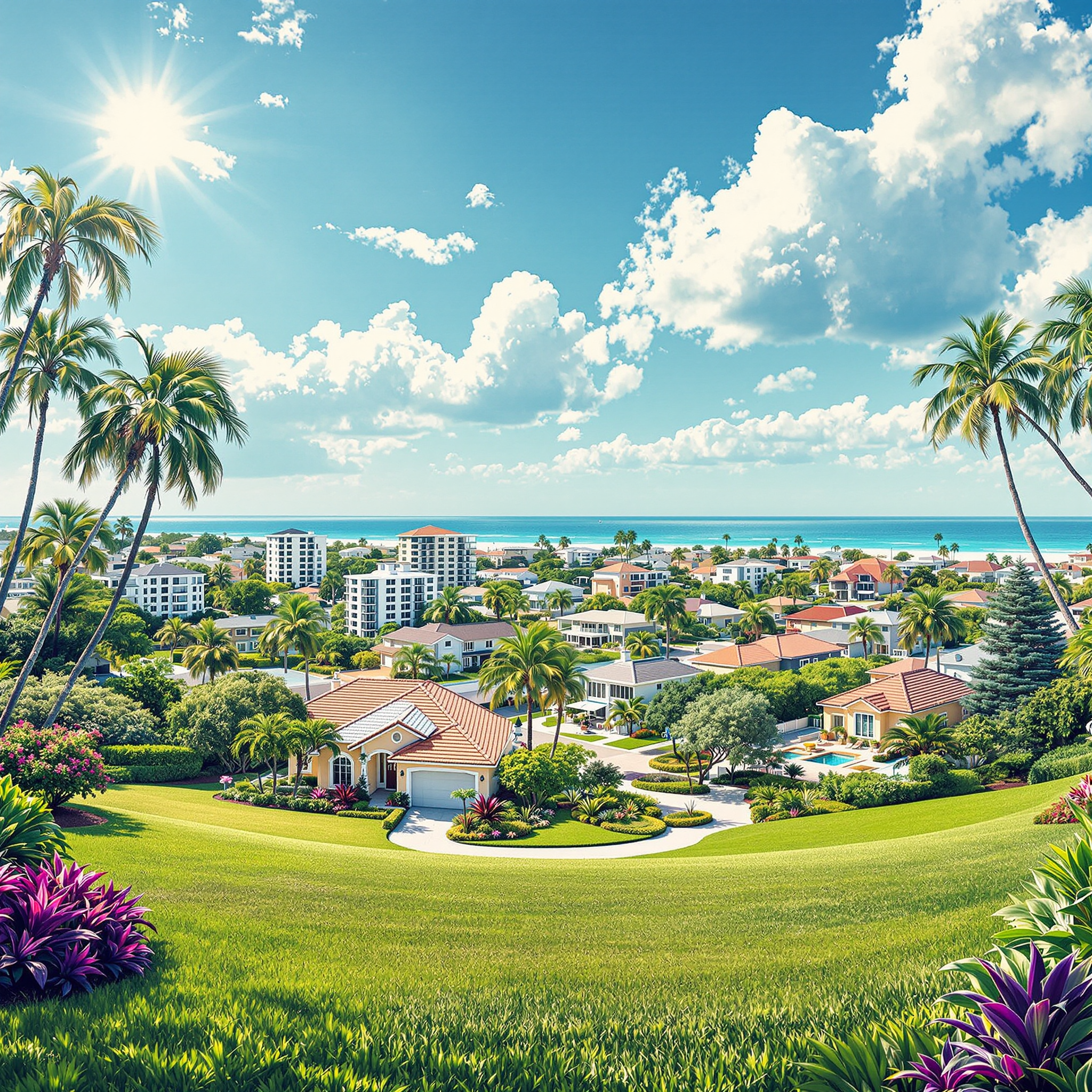
Florida Property Types: Choosing the Right Home for Your Future?
Introduction: Finding Your Perfect Florida Home
Dreaming of sunshine, beaches, and a new home in Florida? I know I have! But with so many different types of properties available, choosing the right one can feel overwhelming. From cozy condos to sprawling single-family homes, the options are endless. And let’s not forget about those rising insurance costs! That’s why I’ve created this guide to help you navigate the Florida housing market and find the best home for your needs and budget. Whether you’re considering Florida property investment, looking for Florida family homes, or planning to retire in Florida homes, I’m here to help you make an informed decision.
In this post, I’ll break down the most common Florida property types, including single-family homes, condos, townhouses, and mobile homes, discussing their pros, cons, and associated costs. I’ll also touch on the important factors of homeowner’s insurance and property taxes, so you can understand the full picture before you buy. Let’s dive in!
Single-Family Homes (SFH): The Classic Florida Dream
For many, the image of a Florida family homes includes a single-family home with a yard and plenty of space. These homes offer privacy, room to grow, and the freedom to customize your property. They are definitely a popular option for those prioritizing space and independence.
Pros:
- Privacy and space for families
- Greater freedom for renovations and landscaping
- Potential for appreciation in value
Cons:
- Higher maintenance responsibilities
- Typically higher purchase price
- Property taxes can be substantial
As of late 2023, the median price for a single-family home in Florida hovered around $420,000. Keep in mind that prices can vary dramatically depending on location. This option should be considered if you want some of the best homes in Florida.
Condos: Convenience and Community in the Sunshine State
Condos are a fantastic option for those seeking a low-maintenance lifestyle and access to amenities. They’re also often a more affordable entry point into the Florida real estate options landscape. For people who are looking to retire in Florida homes or buy a Florida property investment it’s a viable option.
Pros:
- Lower maintenance responsibilities (exterior maintenance is usually covered)
- Access to amenities like pools, gyms, and clubhouses
- Potentially lower purchase price compared to SFHs
Cons:
- Homeowners Association (HOA) fees
- Less privacy and shared common areas
- Restrictions on renovations and pet ownership
Median condo prices in Florida vary significantly by location. In some areas, you might find condos priced lower than single-family homes, making them an attractive option for first-time buyers or those on a budget.
Townhouses: A Blend of Privacy and Convenience
Townhouses offer a middle ground between single-family homes and condos. They typically have shared walls but offer more living space than condos. I think that these types of homes in Florida are not talked about enough.
Pros:
- More space than condos
- Typically lower property taxes compared to SFHs
- Some exterior maintenance may be included
Cons:
- Shared walls and potential for noise
- HOA fees (though often lower than condo fees)
- Less privacy than SFHs
Mobile Homes: Affordable Housing with Considerations
Mobile homes are generally the most affordable housing option in Florida. However, there are some crucial factors to consider before investing.
Pros:
- Lowest purchase price
- Potentially lower property taxes
Cons:
- May depreciate in value
- Financing can be challenging
- Lot rent fees (if renting the land)
The average sales price is approximately $150,000. If you are looking into Affordable Florida housing for first-time buyers this might be a viable option.
The Elephant in the Room: Insurance and Property Taxes
No discussion about Florida property types is complete without addressing the rising cost of homeowner’s insurance. The average premium now exceeds $6,000 annually and can be significantly higher depending on location and property type. Factor this expense into your budget!
Property taxes also vary widely by county. Research the tax rates in your desired location to get an accurate picture of your overall housing costs. Don’t forget Waterfront property Florida typically commands premium prices, but also comes with increased vulnerability to hurricanes and flooding, making flood insurance almost essential.
Making the Right Choice for You
Choosing the right types of homes in Florida depends on your individual needs, lifestyle, and budget. Consider your priorities: Do you value privacy, convenience, affordability, or access to amenities? Weigh the pros and cons of each property type carefully, and don’t forget to factor in the ongoing costs of insurance and property taxes. It is a good idea to look into Florida home styles for families with children if you have some, or Low maintenance Florida homes for seniors if you are older.
Conclusion: Your Florida Dream Awaits!
I hope this guide has shed some light on the diverse Florida real estate options available to you. From the classic appeal of single-family homes to the convenience of condos, the possibilities are endless. Remember to do your research, consider your budget, and prioritize your needs. With careful planning, you can find the perfect Florida home to create lasting memories. Now, it’s time to take the next step toward your Florida dream!
FAQ: Your Questions Answered
What is the best Florida property type for retirement?
Condos and townhouses are often popular choices for retirees due to their low maintenance and community amenities. However, single-family homes in age-restricted communities can also be a great option.
What are the best Florida home styles for families with children?
Single-family homes with yards and multiple bedrooms are generally the best choice for families. Townhouses can also work well, depending on the size of the family.
What are some low maintenance Florida homes for seniors?
Condos and some townhouses offer low-maintenance living, as exterior upkeep is typically handled by the HOA. Look for communities with amenities like lawn care and pool service included.
What waterfront property options are available in Florida?
Waterfront properties range from condos with ocean views to luxury single-family homes on canals or the bay. Consider the specific type of waterfront you prefer (oceanfront, bayfront, canal front) and budget accordingly.
What affordable Florida housing options are available for first-time buyers?
Condos and mobile homes are often the most affordable options for first-time buyers. Look for areas with lower property values and consider exploring down payment assistance programs.
Which Florida property types typically have homeowners association fees?
Condos and townhouses almost always have HOA fees, while some single-family home communities also have them. HOA fees cover common area maintenance, amenities, and insurance.
What are the differences between Luxury homes versus condos in Florida?
Luxury homes will have more space, land, and privacy, and often come with higher property taxes and insurance costs. Luxury condos offer a high-end lifestyle with amenities and less maintenance, but typically at a higher price per square foot and restrictive covenants.
What Florida investment property types are best for rental income?
Single-family homes and condos are popular choices for rental income, depending on the local market and demand. Choose properties in desirable locations with good rental potential.
How do Florida property taxes vary by property type?
Property taxes are based on the assessed value of the property, which varies depending on the size, location, and features of the home. Single-family homes typically have higher property taxes than condos or mobile homes, but taxes can also vary significantly by county. Check the Florida property taxes by property type.
What are the key considerations for understanding Florida property types and insurance costs?
Understanding that Understanding Florida property types and insurance costs involves recognizing that insurance premiums can significantly impact affordability, especially for coastal properties prone to hurricanes. Research insurance rates, flood zones, and wind mitigation features before buying.