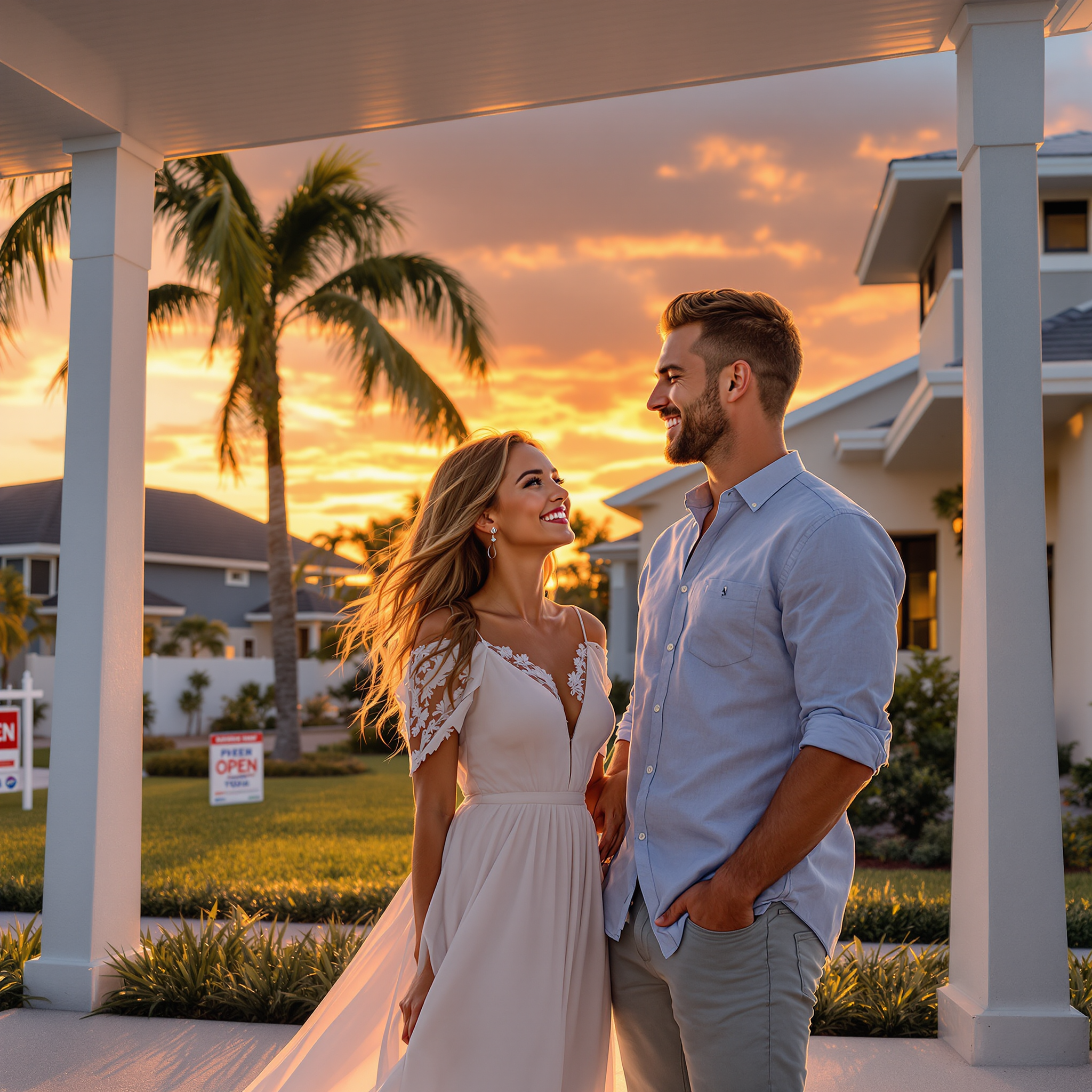
Florida First-Time Homebuyer? Unlock Resources and Your Sunshine State Dream!
So, you’re thinking about buying your first home in Florida? Congratulations! It’s a big step, and while the Sunshine State offers an incredible lifestyle, navigating the real estate market can feel overwhelming. I understand! I’ve been there, and I’m here to guide you through the process, highlighting key considerations and resources to help you achieve your dream of homeownership.
The Florida housing market has seen significant changes in recent years, and it’s important to be informed. While the wild price increases of the pandemic era are cooling down, understanding the current landscape is crucial for making smart decisions. This post will break down current trends, explore financing options, and uncover valuable resources for first-time homebuyers like you.
Ready to dive in? Let’s unlock your Sunshine State dream!
Understanding the Current Florida Real Estate Market
The Florida real estate market is a dynamic beast! After the unprecedented appreciation we saw during the pandemic, things are starting to normalize. Here’s what I’m seeing out there:
- Cooling Market: Prices are stabilizing, and in some areas, even dropping slightly. It’s not a crash, but definitely a shift from the frenzy of the past few years.
- Increasing Inventory: More homes are hitting the market, giving you more options to choose from. This is good news for buyers!
- Elevated Interest Rates: Mortgage rates are still higher than they were a few years ago, hovering around 7% (as of late 2023/early 2024). This impacts affordability, so it’s crucial to factor this into your budget.
- Slowing Population Growth: While still positive, Florida’s population growth has slowed a bit.
- Price Variance: Median home prices differ wildly across the state. Coastal areas are significantly more expensive than inland regions. Some markets have experienced price corrections of 5-10% recently.
- Insurance Costs: A HUGE consideration! Insurance premiums are soaring due to hurricane risk and other factors. Get ready for some sticker shock.
- Property Taxes: Generally lower than in many other states, but they vary by county and municipality.
Keep an eye on these Florida real estate trends to stay informed and make informed decisions when you buy property Florida now.
First-Time Homebuyer Programs and Resources
Good news! Florida offers several programs to help first-time homebuyers. These programs can provide down payment assistance, reduced interest rates, and other benefits. Here are a few resources to explore:
- Florida Housing Finance Corporation (Florida Housing): Offers a variety of programs for first-time homebuyers, including down payment assistance and mortgage credit certificates.
- Local Government Programs: Many counties and cities have their own assistance programs. Check your local government website for details.
- HUD-Approved Housing Counseling Agencies: These agencies provide free or low-cost counseling to help you understand the homebuying process.
I highly recommend researching these programs thoroughly. They can make a significant difference in your affordability and help you achieve your dream of owning a home.
Navigating Florida’s Unique Challenges: Insurance and Location
Let’s be real, Florida has some unique challenges. Insurance costs are a major hurdle, and location is everything. Here’s what you need to know:
- Insurance: Shop around! Get quotes from multiple insurance companies. Consider raising your deductible to lower your premium, but make sure you can comfortably afford the deductible in case of a claim. Also, explore wind mitigation measures for your home, as these can reduce your insurance costs.
- Location, Location, Location: Consider your lifestyle, commute, and access to amenities. Coastal areas are beautiful but come with higher price tags and insurance costs. Inland areas offer more affordable options but may require longer commutes.
- Flood Zones: Be aware of flood zones. If your property is in a flood zone, you’ll need flood insurance, which can be expensive.
Investing in Florida investment property requires careful consideration of these factors.
Florida Property Investment and the Future Market
Even if you’re buying your first home, it’s worth considering the Florida property market as an investment. Here’s a quick look:
- Tourism: Tourism remains a strong economic driver, supporting the rental market.
- Rental Opportunities: Investment opportunities exist in both long-term rentals and vacation rentals, but profitability depends on location, property type, and management strategy.
- Economic Outlook: Economic forecasts suggest continued, albeit slower, growth for Florida’s economy.
- Florida real estate investment can be a sound choice, but do your research.
The long-term appreciation potential Florida real estate can be a significant benefit, but always consult with a financial advisor before making any investment decisions.
Conclusion: Your Florida Homeownership Journey Starts Now
Buying your first home in Florida is a big step, but with the right knowledge and resources, it’s absolutely achievable. Remember to research first-time homebuyer programs, carefully consider insurance costs, and choose a location that fits your lifestyle and budget. The Florida real estate market forecast suggests continued growth, so investing in Florida homes could be a great option.
I hope this guide has provided valuable insights and helped you feel more confident about your journey to homeownership. Don’t hesitate to reach out to a local real estate agent, mortgage lender, and insurance agent to get personalized guidance.
FAQ: Florida First-Time Homebuyer Questions
Here are some frequently asked questions about buying a home in Florida:
What are the best areas to invest in Florida real estate for a first-time homebuyer?
The best areas depend on your budget and lifestyle. Inland areas like Central Florida offer more affordable options, while coastal areas like Sarasota or Naples command higher prices. Research different cities and neighborhoods to find the best fit.
What is the Florida property investment market forecast 2024 looking like?
The forecast suggests continued, albeit slower, growth. Inventory is increasing, and prices are stabilizing. It’s a more balanced market than in recent years.
What are the risks of buying property in Florida?
The main risks are high insurance costs (especially for hurricane coverage), potential for flooding, and fluctuating market conditions. Thorough due diligence is crucial.
What are some Florida rental property investment strategies for beginners?
Consider starting with a long-term rental in a growing area. Research local rental regulations and work with a property manager to handle tenant screening and maintenance.
Where can I find Profitable Florida real estate investments right now?
Look for areas with strong job growth, good schools, and high rental demand. Talk to a local real estate agent to identify promising opportunities.
I’m a beginner, where should I start with Florida real estate investment for beginners?
Start by educating yourself about the market, setting a budget, and getting pre-approved for a mortgage. Work with a reputable real estate agent and consider attending a first-time homebuyer seminar.
What are the typical Florida property tax rates for investors?
Property tax rates vary by county and municipality. Contact your local tax assessor’s office for specific rates.
Are there specific Florida vacation rental investment regulations I need to know?
Yes! Many cities and counties have regulations regarding vacation rentals, including zoning restrictions, licensing requirements, and occupancy limits. Research the local regulations before investing.
What is the Long-term appreciation potential Florida real estate looking like?
While past performance is no guarantee of future results, Florida’s long-term appreciation potential remains positive due to its growing population and desirable lifestyle.
Where are the best Florida real estate investment opportunities by city?
Opportunities vary depending on your investment goals. Some popular cities include Tampa, Orlando, Jacksonville, and Miami, but research specific neighborhoods and property types to find the best fit for you.