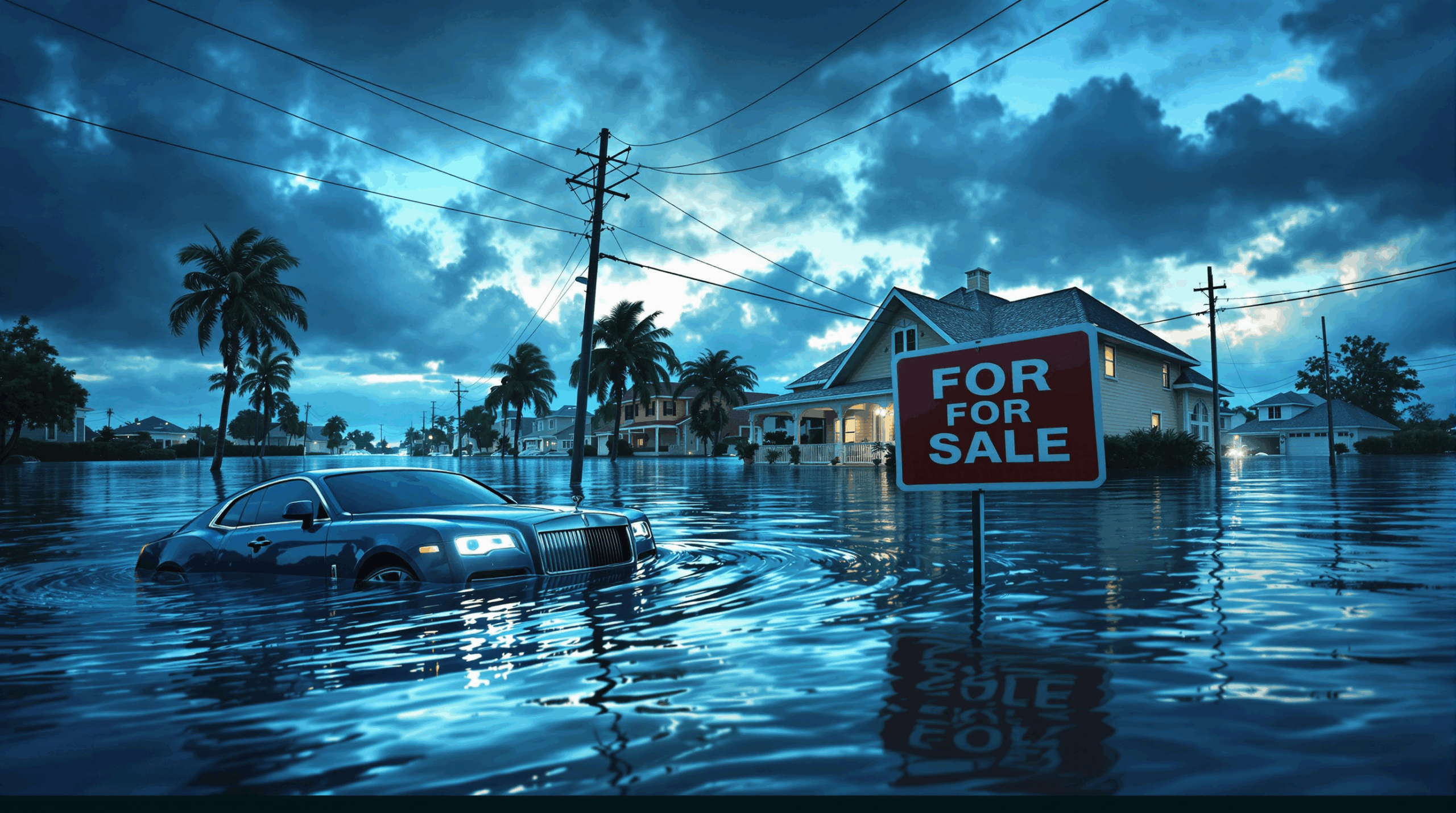
Florida Real Estate: Climate Research Cuts Impact Future Home Loans
Introduction
The sun-kissed beaches and vibrant communities of Florida have long attracted homebuyers from across the globe. However, a storm is brewing on the horizon, one that isn’t measured in inches of rainfall but rather in degrees of rising temperatures and inches of rising sea levels. Recent cuts to climate research are poised to significantly impact the future of Florida’s real estate market, potentially affecting everything from property values to the availability of home loans. This article delves into the complex interplay between climate change, real estate, and mortgage lending in the Sunshine State, exploring how these cuts could reshape the landscape for homeowners and investors alike. Prepare to discover the challenges and the potential solutions for navigating the changing tides of Florida’s property market.
The Growing Threat: Climate Change and Florida Real Estate
Florida is uniquely vulnerable to the effects of climate change. Rising sea levels, increased frequency and intensity of hurricanes, and escalating temperatures are already impacting coastal communities and inland areas alike. These factors pose a direct threat to property values, particularly in low-lying coastal regions. As research from Freddie Mac suggests, sea level rise can negatively impact home prices in coastal Florida. The long-term implications for the state’s housing market are significant, requiring a proactive approach to mitigation and adaptation.
Insurance costs are also skyrocketing, making homeownership increasingly unaffordable. Lenders are becoming more cautious, reassessing their risk exposure in vulnerable areas, as the Mortgage Bankers Association (MBA) has noted in their research. This caution can lead to stricter lending criteria and potentially decreased availability of mortgage financing in high-risk zones.
Impact of Climate Research Cuts
The reduction in climate research funding will hamper our ability to accurately assess and predict these risks. Without robust data and analysis, lenders, insurers, and policymakers will struggle to make informed decisions. This lack of information could exacerbate the negative impacts of climate change on the real estate market, leading to:
- Inaccurate risk assessments, potentially undervaluing properties in vulnerable areas.
- Increased uncertainty in the mortgage market, leading to higher interest rates and stricter lending terms.
- Reduced investment in climate resilience measures, making communities more vulnerable to future disasters.
Navigating the Challenges: Strategies for Homebuyers and Investors
Despite these challenges, there are steps that homebuyers and investors can take to mitigate their climate risk:
- Due Diligence: Conduct thorough research on the property’s vulnerability to climate change impacts, including sea level rise, flooding, and storm surge.
- Insurance Assessment: Obtain comprehensive insurance coverage that adequately protects against potential climate-related damages. Consider flood insurance, even if it’s not required.
- Climate-Resilient Upgrades: Invest in home improvements that enhance resilience to extreme weather events, such as elevating the property, reinforcing the roof, and installing storm shutters.
- Location Considerations: Explore less vulnerable inland areas with lower climate risk profiles.
- Consult with Experts: Seek advice from real estate professionals, climate scientists, and financial advisors to make informed decisions.
The Role of Lenders and Policymakers
Lenders and policymakers have a critical role to play in promoting climate resilience in the real estate market. This includes:
- Developing standardized climate risk assessment tools for mortgage lending.
- Incentivizing climate-resilient construction and retrofitting through tax breaks and subsidies.
- Investing in infrastructure projects that protect coastal communities from sea level rise and storm surge.
- Supporting climate research and data collection to improve our understanding of climate risks.
Conclusion
The future of Florida’s real estate market is inextricably linked to the challenges posed by climate change. Cuts to climate research only serve to amplify the uncertainty and risk. By taking proactive steps to understand and mitigate these risks, homebuyers, investors, lenders, and policymakers can work together to build a more resilient and sustainable housing market in the Sunshine State. It’s time to act decisively to protect our communities and investments from the impacts of a changing climate.
FAQ: Climate Risk and Florida Real Estate
How will Florida real estate climate risk affect property values in coastal areas?
Rising sea levels and increased storm intensity can lead to property damage and reduced demand, potentially decreasing property values, especially in low-lying coastal regions. It is important to consider the sea level rise impact Florida real estate.
What impact does climate change have on Florida property values and the availability of Florida home loans climate change?
Climate change can make properties riskier investments, leading lenders to be more cautious. This can result in stricter lending requirements, higher interest rates, and potentially reduced availability of mortgages, thus affecting Florida home loans climate change.
How can I assess the Florida mortgage climate risk assessment before buying a home?
You can hire a qualified inspector or consultant to assess the property’s vulnerability to climate-related risks like flooding, storm surge, and erosion. Look for professionals experienced in climate risk and Florida coastal property climate vulnerability.
Will my climate risk and home insurance Florida be affected by climate change?
Yes, insurance premiums are likely to increase in areas prone to climate-related disasters. Some insurers may even refuse to cover high-risk properties, impacting climate risk and home insurance Florida. It’s crucial to factor in these costs when buying a home.
What are climate resilient homes Florida and how can I make my home more climate-resilient?
Climate-resilient homes are designed to withstand the impacts of extreme weather events. You can make your home more resilient by elevating it, reinforcing the roof, installing storm shutters, and improving drainage. This will help when buying Florida property climate change concerns.
What is the future of Florida real estate climate research and how will it help?
Continued research is vital for understanding the long-term impacts of climate change on Florida’s real estate market. This research can inform policy decisions, guide investment strategies, and help homeowners make informed choices about how to protect their properties, helping the future of Florida real estate climate research.