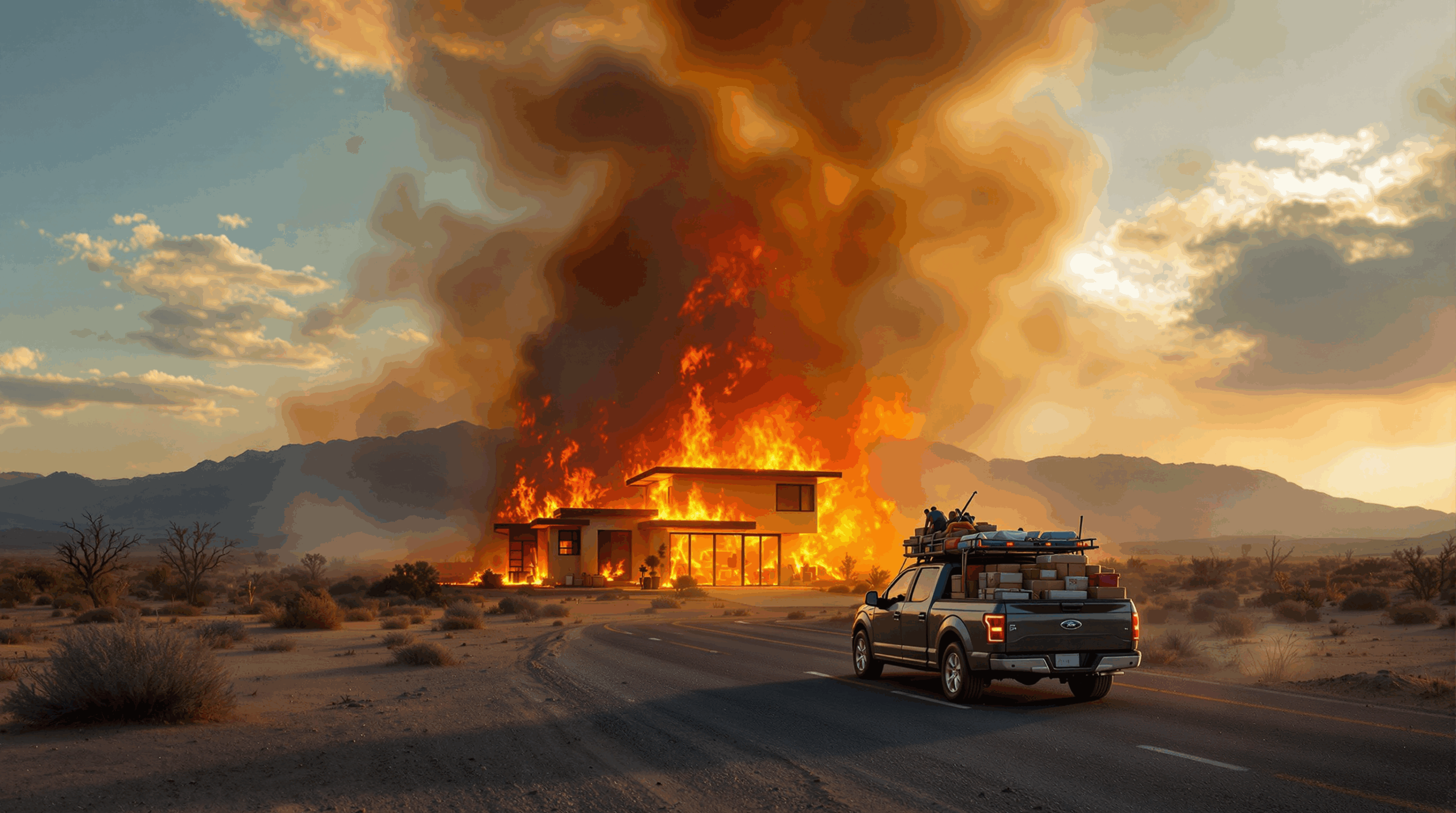
Western Wildfire Risk Doesn’t Deter Homebuyers; Rental Vacancy Rises
Despite the increasing threat of wildfires in the Western United States, homebuyers remain undeterred, driven by factors such as limited housing availability and lifestyle preferences. Simultaneously, rental vacancy rates are on the rise, creating a complex dynamic in the region’s housing market. This report delves into the seemingly contradictory trends, exploring the motivations behind homebuyer decisions and the implications of rising vacancies.
This article will examine the resilience of the Western housing market in the face of wildfire danger, the factors influencing rental vacancy rates, and the potential long-term consequences for residents and the real estate industry. Understanding these trends is crucial for policymakers, investors, and individuals navigating the evolving landscape of Western living. We’ll provide insights to help you navigate the complexities of the Western housing market, offering perspectives from real estate experts and economists.
Homebuyers Shrug Off Western Wildfire Risk
A recent study highlights a fascinating paradox: even as wildfire frequency and intensity increase across the West, many areas with the highest wildfire risk continue to attract new residents. This seeming disregard for danger can be attributed to several factors:
- Limited Housing Supply: Many desirable Western locations face a severe shortage of available homes, driving up prices and limiting options for potential buyers.
- Lifestyle Preferences: The appeal of mountain living, outdoor recreation, and scenic beauty outweighs wildfire concerns for some individuals.
- Misperceptions of Risk: Some homebuyers may underestimate the actual wildfire risk in their chosen area, relying on outdated information or a belief in mitigation efforts.
- Economic Opportunities: Growing job markets in certain Western cities continue to attract new residents, regardless of environmental risks.
The LendingTree study mentioned earlier found that 27 out of 29 metros with the highest wildfire risk actually saw more people moving in than moving out. This suggests that other factors are overshadowing the concern of wildfires for many.
Impact on Property Values
The continued demand in wildfire-prone areas raises questions about the long-term impact on property values. While some studies suggest that wildfire risk can negatively affect home prices, the current market dynamics indicate that demand is still strong enough to counteract this effect, at least in the short term. However, increased insurance costs and potential damage from future wildfires could eventually put downward pressure on values.
Rental Vacancy Rates on the Rise
While homebuying remains resilient, the rental market in the West is experiencing a different trend. According to the U.S. Census Bureau, rental vacancy rates have been ticking upwards, reaching 7.1% in the first quarter of the year. Several factors could be contributing to this increase:
- Increased Construction: A surge in new apartment construction in some Western cities is adding to the rental supply.
- Shifting Demographics: Some renters may be transitioning to homeownership or moving out of the region due to remote work opportunities.
- Affordability Concerns: Rising rents in many Western markets may be pricing out some renters, leading to increased vacancies.
- Wildfire impact real estate: Wildfires can destroy homes leading to a short term increase in demand for rentals, however long term could also cause renters to move to less dangerous areas.
The increase in rental vacancy rates presents both challenges and opportunities. Landlords may need to lower rents or offer incentives to attract tenants, while renters could benefit from increased options and negotiating power.
The Interplay Between Homebuying and Renting
The seemingly divergent trends in homebuying and renting highlight the complexities of the Western housing market. While some individuals are willing to accept wildfire risk to achieve homeownership, others may be opting for the flexibility of renting, particularly in areas with rising prices. It’s also possible that some are choosing to rent temporarily while waiting for more favorable market conditions or a better understanding of wildfire risk housing market impact. The reality of western migration trends can easily show if there are people moving into these wildfire areas.
Navigating the Western Housing Market: Key Considerations
For those considering buying or renting in the West, it’s crucial to carefully weigh the risks and benefits:
- Assess Wildfire Risk: Research the wildfire history and potential risk in your desired location. Consult resources like the U.S. Forest Service and local fire departments.
- Evaluate Insurance Costs: Obtain quotes from multiple insurance providers to understand the potential cost of insuring your home against wildfire damage.
- Consider Mitigation Measures: Explore options for mitigating wildfire risk, such as defensible space landscaping and fire-resistant building materials.
- Factor in Lifestyle Preferences: Determine how important access to outdoor recreation and scenic beauty is to you, and whether it outweighs wildfire concerns.
- Analyze Rental Market Dynamics: Research rental vacancy rates and rent prices in your desired area to ensure you’re getting a fair deal.
Ultimately, the decision to buy or rent in the West is a personal one. By carefully considering the risks and benefits, individuals can make informed choices that align with their priorities and financial goals.
The Future of Western Housing
The trends discussed in this article raise important questions about the future of Western housing. Will wildfire risk eventually deter homebuyers and lead to a decline in property values? Will rising rental vacancy rates create a more affordable rental market? The answers to these questions will depend on a variety of factors, including climate change, government policies, and individual preferences. Navigating the western us housing market wildfire is not for the faint of heart and some are relocating to wildfire prone areas.
As the West continues to grapple with the challenges of wildfire and affordability, it’s essential to stay informed and adapt to the evolving landscape. This requires proactive planning, careful decision-making, and a willingness to embrace new solutions.
Frequently Asked Questions