25 Feb, 2025

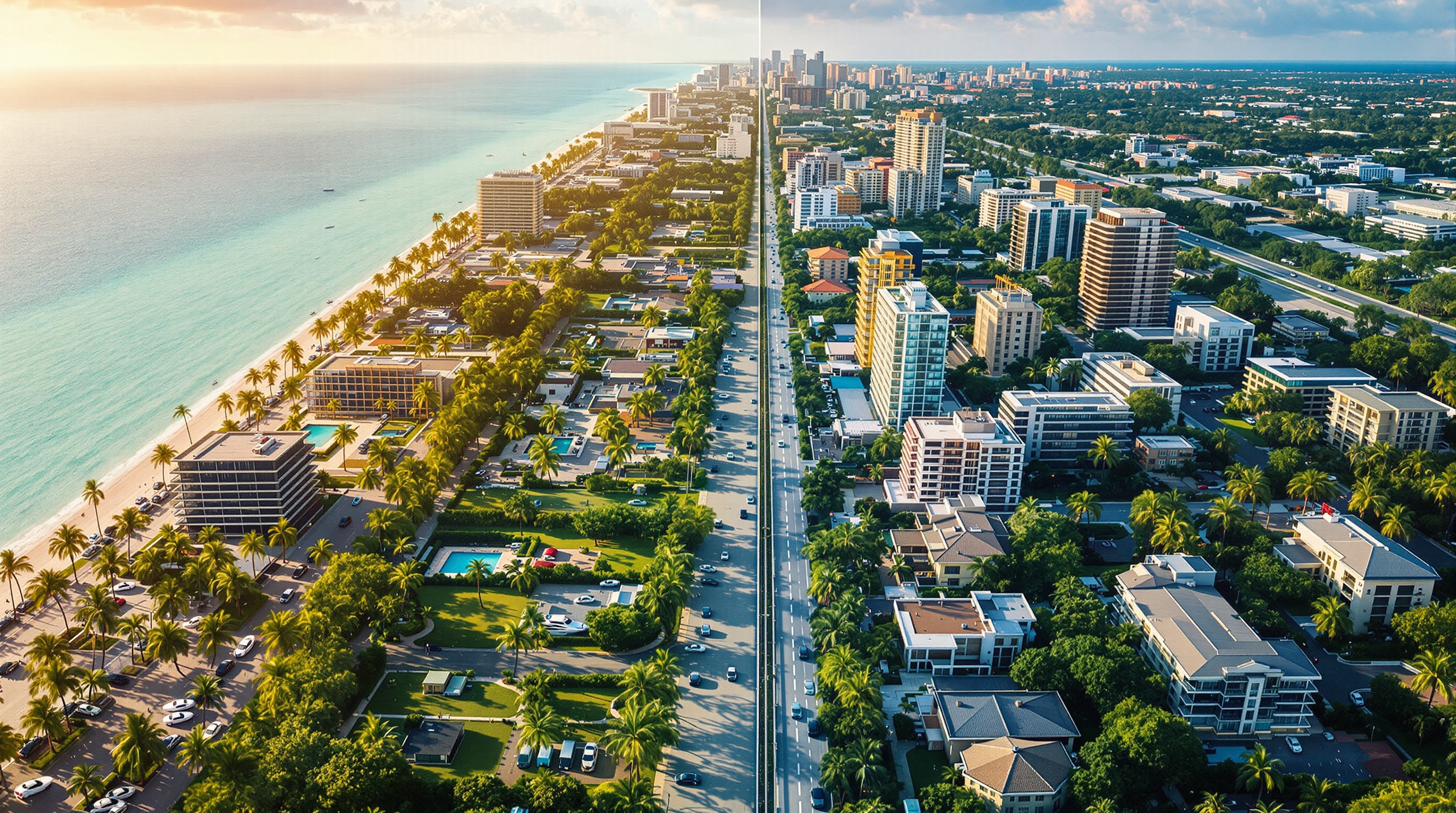
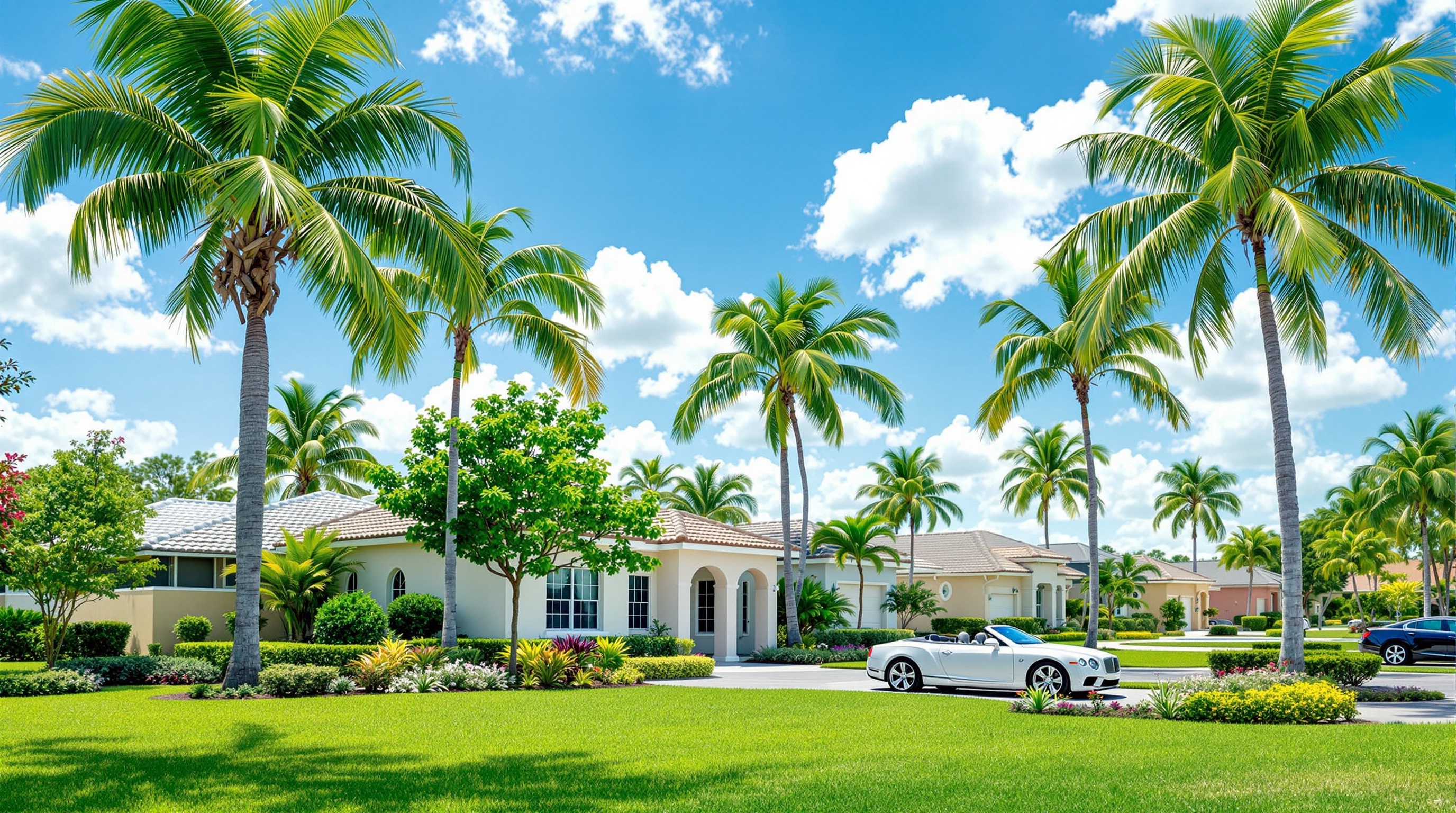
Properties with professional real estate photography sell 32% faster. Listings with high-quality photos receive 118% more online views. Homes listed between $200,000 and $1 million sell for $3,000-$11,000 more with professional photography. 83% of buyers said pictures were very important in helping them choose which homes to visit. 80% of homebuyers use the internet to search for homes. HDR photography is preferred by 90% of real estate agents. Drone photography can increase perceived property value by showcasing location and amenities. Vacant homes can benefit significantly from virtual staging integrated with professional photography, potentially increasing offers by up to 25%.

25 Feb, 2025

With fiscal and geopolitical developments dominating the news cycle, it would be easy to forget that interest rates prefer to take their primary cues from economic data.  This is an important reminder considering tomorrow morning brings one of the most closely watched economic reports: the Consumer Price Index (CPI). CPI is one of only a few inflation reports from the U.S. government. It is also the out 2 weeks earlier than its only real competitor. Because of that, and the fact that rates are greatly impact by inflation, CPI is one of the biggest potential sources of rate volatility. There are certainly other economic reports that matter.  Even today’s Job Openings data managed to cause small scale volatility this morning, but CPI is  far more capable.  As always, in order to have a truly big impact on rates, the data would need to come in much higher or lower than forecast, and there’s no way to know where it will come in ahead of time (economists have already done their best to forecast that).  As for today, stock market fluctuations proved to be a bigger influence than the Job Openings data, ultimately pushing rates slightly higher compared to yesterday’s latest levels.

25 Feb, 2025

Florida homeownership faces unique challenges: hurricane risk (requiring specialized insurance), fluctuating property values tied to tourism, and a complex real estate market.

Key facts:

* **Median Home Price:** ~$400,000 (fluctuates greatly by region).
* **Property Taxes:** Average effective rate ~0.84% but varies by county; homestead exemption provides tax relief for primary residences.
* **Insurance:** Homeowners insurance is significantly higher than the national average due to hurricane risk. Flood insurance is often required separately.
* **Down Payment Assistance:** Numerous state and local programs exist for first-time buyers, often with income restrictions.
* **Mortgage Rates:** Influenced by national trends but may have slightly higher rates in some regions due to perceived risk.
* **Popular Areas:** Coastal areas (high demand, high prices), Central Florida (growth, more affordable), and the Panhandle (varied, often hurricane-prone).
* **Closing Costs:** Typically 2-5% of the purchase price.
* **Legal Framework:** Florida is a title insurance state, requiring title searches to ensure clear ownership.
* **Key Insight:** Understanding local market conditions and navigating insurance requirements are crucial for successful homeownership.

25 Feb, 2025

Florida’s real estate market is currently shaped by:

* **High Demand & Limited Inventory:** Fueled by population growth and migration, especially from high-tax states. Inventory remains constrained, driving up prices in many areas.
* **Population Growth:** Florida gained an estimated 365,205 residents between 2022 and 2023, maintaining its position as one of the fastest-growing states.
* **Rising Insurance Costs:** A major headwind, with property insurance premiums significantly higher than the national average, impacting affordability and investment returns. Some areas see average annual premiums exceeding $6,000.
* **Interest Rate Fluctuations:** Federal Reserve rate hikes influence mortgage rates, impacting buyer affordability and transaction volume. Monitor the 10-year treasury yield as a leading indicator.
* **Regional Variations:** The market varies significantly by region. Coastal areas face higher insurance costs and potential climate change impacts, while inland areas may offer more affordable opportunities.
* **Investment Strategies:** Successful strategies involve focusing on cash flow properties, value-add opportunities (renovation), and identifying underserved markets. Short-term rentals face increasing regulation in some localities.
* **Affordability Crisis:** Despite high demand, affordability is a growing concern for residents, impacting entry-level buyers.
* **Economic Factors:** The strength of Florida’s tourism industry and overall economy plays a crucial role in market stability.
* **Construction Costs:** High construction costs and labor shortages impact new development and renovation projects.
* **Florida ranks high on lists of states people are moving *from* as well as moving *to*, showing that more are moving out of state than moving into Florida.**

25 Feb, 2025

* **Popular Loan Types:** Conventional (most common), FHA (low down payment), VA (military), USDA (rural areas).
* **Conventional Loans:** Require strong credit (620+ FICO), down payments typically 3-20%, may require PMI if down payment is <20%. * **FHA Loans:** Lower credit score requirements (as low as 500 with 10% down, 580 for 3.5% down), require upfront and annual mortgage insurance premiums (MIP). * **VA Loans:** No down payment required (for eligible veterans), no PMI, but have a funding fee. * **USDA Loans:** For eligible rural and suburban homebuyers, no down payment required, income limits apply. * **Florida First-Time Homebuyer Programs:** Offer down payment and closing cost assistance; income and purchase price limits apply. * **Interest Rates:** Influenced by credit score, loan type, and the overall economic climate. * **Average Interest Rate (approximate, fluctuates):** 6-7% for a 30-year fixed-rate mortgage as of late 2023/early 2024 (subject to change). * **Key Factors to Consider:** Down payment ability, credit score, debt-to-income ratio (DTI), long-term financial goals. * **Refinancing:** Can lower monthly payments or shorten loan term, consider closing costs and break-even point.

25 Feb, 2025

* **Popular Loan Types:** Conventional (most common), FHA (low down payment), VA (military), USDA (rural areas).
* **Conventional Loans:** Require strong credit (620+ FICO), down payments typically 3-20%, may require PMI if down payment is <20%. * **FHA Loans:** Lower credit score requirements (as low as 500 with 10% down, 580 for 3.5% down), require upfront and annual mortgage insurance premiums (MIP). * **VA Loans:** No down payment required (for eligible veterans), no PMI, but have a funding fee. * **USDA Loans:** For eligible rural and suburban homebuyers, no down payment required, income limits apply. * **Florida First-Time Homebuyer Programs:** Offer down payment and closing cost assistance; income and purchase price limits apply. * **Interest Rates:** Influenced by credit score, loan type, and the overall economic climate. * **Average Interest Rate (approximate, fluctuates):** 6-7% for a 30-year fixed-rate mortgage as of late 2023/early 2024 (subject to change). * **Key Factors to Consider:** Down payment ability, credit score, debt-to-income ratio (DTI), long-term financial goals. * **Refinancing:** Can lower monthly payments or shorten loan term, consider closing costs and break-even point.

25 Feb, 2025

* **Homeownership Rate:** Florida’s homeownership rate is approximately 67% (fluctuates based on source and year).
* **Affordability Crisis:** Florida faces a housing affordability crisis, with rising home prices and insurance rates impacting accessibility.
* **Key Questions:**
* **Financial Readiness:** Can you afford the down payment, closing costs, property taxes, insurance, and ongoing maintenance?
* **Budgeting:** Have you created a realistic budget that includes all homeownership-related expenses?
* **Credit Score:** A good credit score is essential for securing a favorable mortgage rate.
* **Location:** Have you researched different neighborhoods and considered factors like schools, commute times, and safety?
* **Long-Term Plans:** How long do you plan to stay in the home?
* **Insurance Costs:** Florida has some of the highest homeowner’s insurance rates in the nation, influenced by hurricane risk.
* **Property Taxes:** Property taxes vary by county and municipality in Florida.
* **Mortgage Pre-Approval:** Getting pre-approved for a mortgage is crucial before starting the home search.
* **Hidden Costs:** Be aware of potential hidden costs such as HOA fees, pest control, and unexpected repairs.
* **Market Fluctuations:** Florida’s real estate market can be volatile.
* **First-Time Homebuyer Programs:** Explore available first-time homebuyer programs and assistance.

25 Feb, 2025

* **Market Shift:** Florida’s real estate market is transitioning from a seller’s market to a more balanced or buyer’s market in many areas.
* **Inventory Increase:** Statewide, housing inventory is significantly higher than previous years, leading to increased competition among sellers.
* **Days on Market (DOM):** Average days on market are increasing, indicating homes are taking longer to sell.
* **Price Reductions:** A higher percentage of listings are experiencing price reductions, suggesting sellers need to price competitively.
* **Professional Photography/Virtual Tours:** High-quality visuals are critical for attracting online buyers.
* **Staging Importance:** Staging homes effectively can help them stand out and command higher offers.
* **Negotiation Skills:** Sellers must be prepared to negotiate offers and potentially make concessions.
* **Appraisal Gaps:** Increased likelihood of appraisal gaps, requiring sellers to be flexible or buyers to cover the difference.
* **Seller Disclosures:** Full and accurate property disclosures are essential to avoid legal issues.
* **Interest Rate Impact:** Rising interest rates are affecting buyer affordability and demand.
* **Property Taxes & Insurance:** High insurance costs and increasing property taxes impact affordability for potential buyers.

25 Feb, 2025

Florida’s homeownership rate hovers around 68%, slightly below the national average. First-time homebuyers should budget for closing costs, typically 2-5% of the purchase price. Property taxes average around 0.97% of assessed value annually. Homeowners insurance is significantly higher than the national average, influenced by hurricane risk and averaging over $6,000 per year in some coastal areas. Flood insurance is often required, especially in high-risk zones, and is separate from homeowner’s insurance. Common home maintenance costs in Florida include AC maintenance ($150-$300 annually), lawn care ($100-$200 monthly), and potential roof repairs due to storm damage. Homestead exemption can significantly reduce property taxes for primary residences, up to $50,000 in some counties. Down payment assistance programs are available for eligible first-time buyers and can provide up to $15,000 in assistance.

25 Feb, 2025

* **Increased Tech Adoption:** Florida homebuyers and sellers are increasingly relying on technology throughout the real estate process, impacting property searches, virtual tours, and transaction management.
* **Online Portals Dominance:** Zillow, Realtor.com, and Trulia are primary starting points for property searches, used by over 80% of buyers in some Florida markets.
* **Virtual Tours & 3D Models:** Virtual tours are now expected, with listings featuring them receiving up to 50% more interest. 3D models create immersive experiences that can attract remote buyers.
* **Mobile-First Approach:** Over 70% of buyers search for homes on mobile devices, emphasizing the need for mobile-friendly websites and apps for agents and brokerages.
* **E-Signatures & Online Closings:** Electronic signatures are widely accepted, streamlining paperwork. Remote online notarization (RON) is permitted in Florida, enabling fully digital closings in certain situations.
* **Data-Driven Insights:** Real estate professionals are leveraging data analytics tools to provide clients with accurate market information, pricing strategies, and investment advice.
* **Smart Home Technology Integration:** Buyers value smart home features, with listings showcasing such features potentially commanding higher prices in certain sub-markets.
* **Cybersecurity Concerns:** Increased online activity raises cybersecurity risks; buyers and sellers should use secure platforms and be wary of phishing scams.
* **iBuyers and Alternative Models:** iBuyers, while present, have had varied success in Florida. Sellers should carefully weigh the pros and cons of instant offers versus traditional sales.
* **Agent Reliance Still Strong:** Despite tech advancements, most buyers and sellers still rely on a real estate agent’s expertise, indicating technology complements, rather than replaces, human interaction.