31 Jul, 2025

As hundreds of attendees add Bob Seger, Madonna, Eminem, and Stevie Wonder to their playlists in preparation for the MMLA conference starting this weekend in Michigan, and my son Robbie hunkers down in the rain in Sheboygan, WI., I received this note. “We’re a nationwide lender and have begun the hunt for a new AMC. Any suggestions?” Nope, but a solid place to start is at this Marketplace, a free centralized hub for vendors and service providers across the mortgage industry to be viewed by lenders. You may be nationwide, but all real estate is local, with different pros and cons. For example, at the MBA Hawai’i conference, HOA and insurance costs are weighing heavily on their markets. Inventory levels have crept up, the fire damage in Maui is a multi-year exercise in figuring out what to re-build and how to do it with limited manpower and materials. Interest by Japanese, Chinese, and Canadian buyers has plummeted. But there is opportunity: 38 percent of Hawaiian residents are renters. (Today’s podcast can be found here and this week’s are sponsored by nCino. nCino Mortgage unites the people, systems, and stages of the mortgage process into a seamless end-to-end solution embedded with data-driven insights and intelligent automation. Hear an interview with nCino’s Tyler Prows on how automated workflows provide a seamless experience for the borrowers and streamlined app intake for LOs in an end-to-end solution.) Products, Services, and Software for Lenders and Brokers


30 Jul, 2025

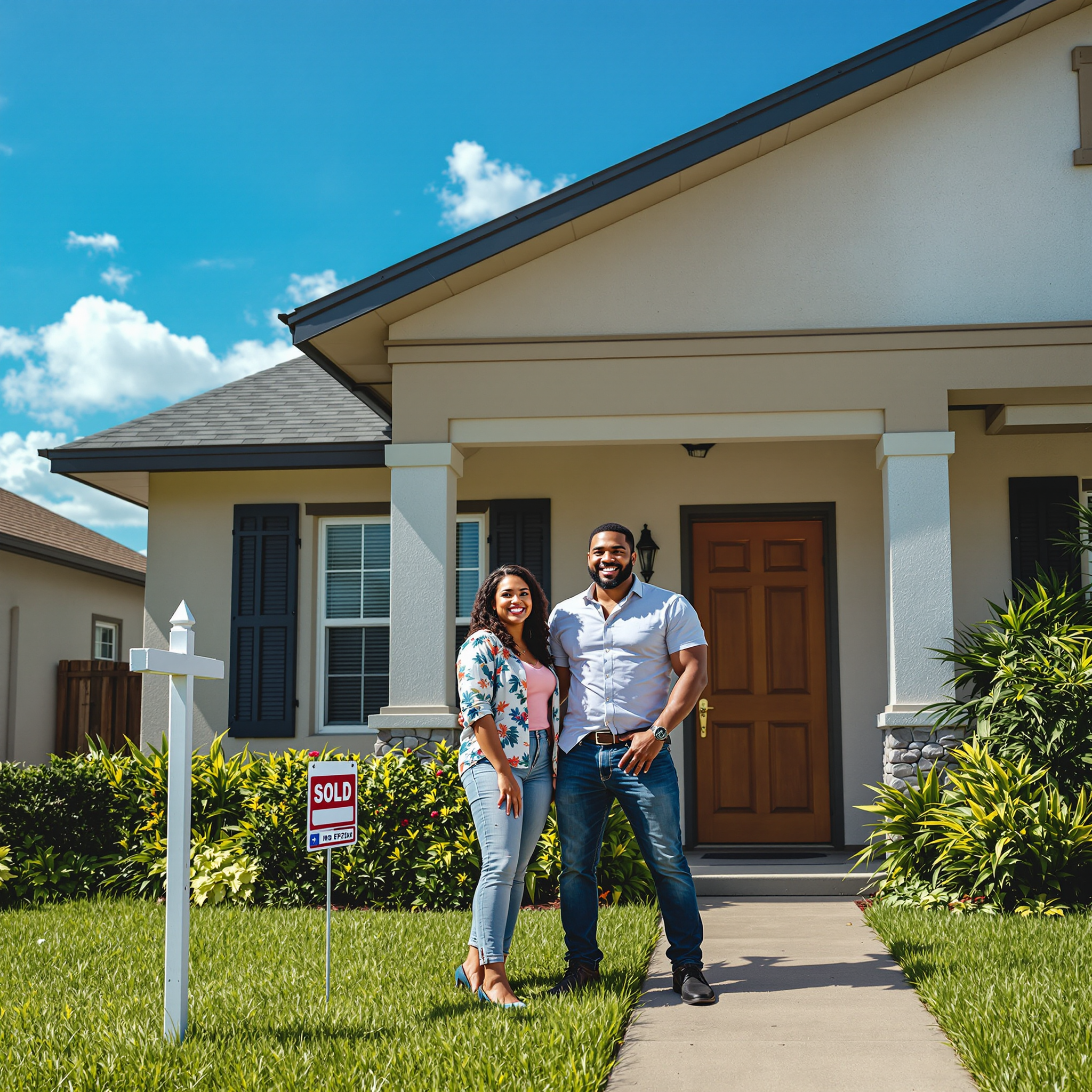
Florida offers resources for first-time homebuyers, including down payment and closing cost assistance programs. The Florida Housing Finance Corporation (Florida Housing) is a key agency providing these programs. One popular program is the Florida Assist Second Mortgage, offering up to $10,000 in down payment assistance as a deferred, non-interest-bearing second mortgage. Eligibility often requires meeting income and purchase price limits, which vary by county and household size. Credit score requirements typically apply. Homebuyer education courses are frequently mandatory to qualify for assistance.

27 Jul, 2025

Florida offers various programs to assist first-time homebuyers. Key resources include the Florida Housing Finance Corporation (Florida Housing), which offers several first-time buyer programs. These programs provide eligible buyers with down payment and closing cost assistance, often structured as second mortgages, grants, or deferred payment loans.

Florida Housing’s programs typically require borrowers to meet income and purchase price limits, which vary by county. For example, income limits can range from approximately $73,400 to $129,940 for 1-2 person households, depending on the county. Purchase price limits may range from $420,000 to $520,000. These programs often necessitate completion of a HUD-approved homebuyer education course.

Specific program examples include:
* **Florida Hometown Heroes Loan Program:** Offers lower first mortgage interest rates and reduced upfront fees to eligible frontline workers, such as law enforcement officers, firefighters, educators, healthcare professionals, and military personnel. Offers up to $35,000 in down payment and closing cost assistance.
* **Florida Assist (FL Assist):** Offers a deferred, non-interest-bearing second mortgage.
* **HFA Preferred and HFA Advantage Plus Programs:** Offer competitive interest rates and down payment assistance options.

Key eligibility factors often include:
* Being a first-time homebuyer (defined as not having owned a home in the past three years).
* Meeting income and purchase price limits.
* Having a credit score of at least 620-640 (depending on the program).
* Meeting debt-to-income ratio requirements.

Down payment assistance can range from a few thousand dollars to tens of thousands, depending on the specific program and the buyer’s circumstances.

18 Jul, 2025

Florida offers resources to assist first-time homebuyers. Key programs include down payment and closing cost assistance, potentially reducing upfront expenses by thousands. The Florida Housing Finance Corporation (Florida Housing) is a primary resource. Eligibility typically requires income limits (varying by county and household size), credit score minimums (often 620 or higher), and completion of a HUD-approved homebuyer education course. Loan options may include Florida Housing Loan Program, Military Heroes Loan Program, and Homeownership Loan Program (HELP). Interest rates and loan terms vary. In 2023, the median sales price for existing single-family homes in Florida was roughly $400,000, making affordability a significant concern. These programs aim to bridge that gap. Available funding is often limited and operates on a first-come, first-served basis.

12 Jul, 2025

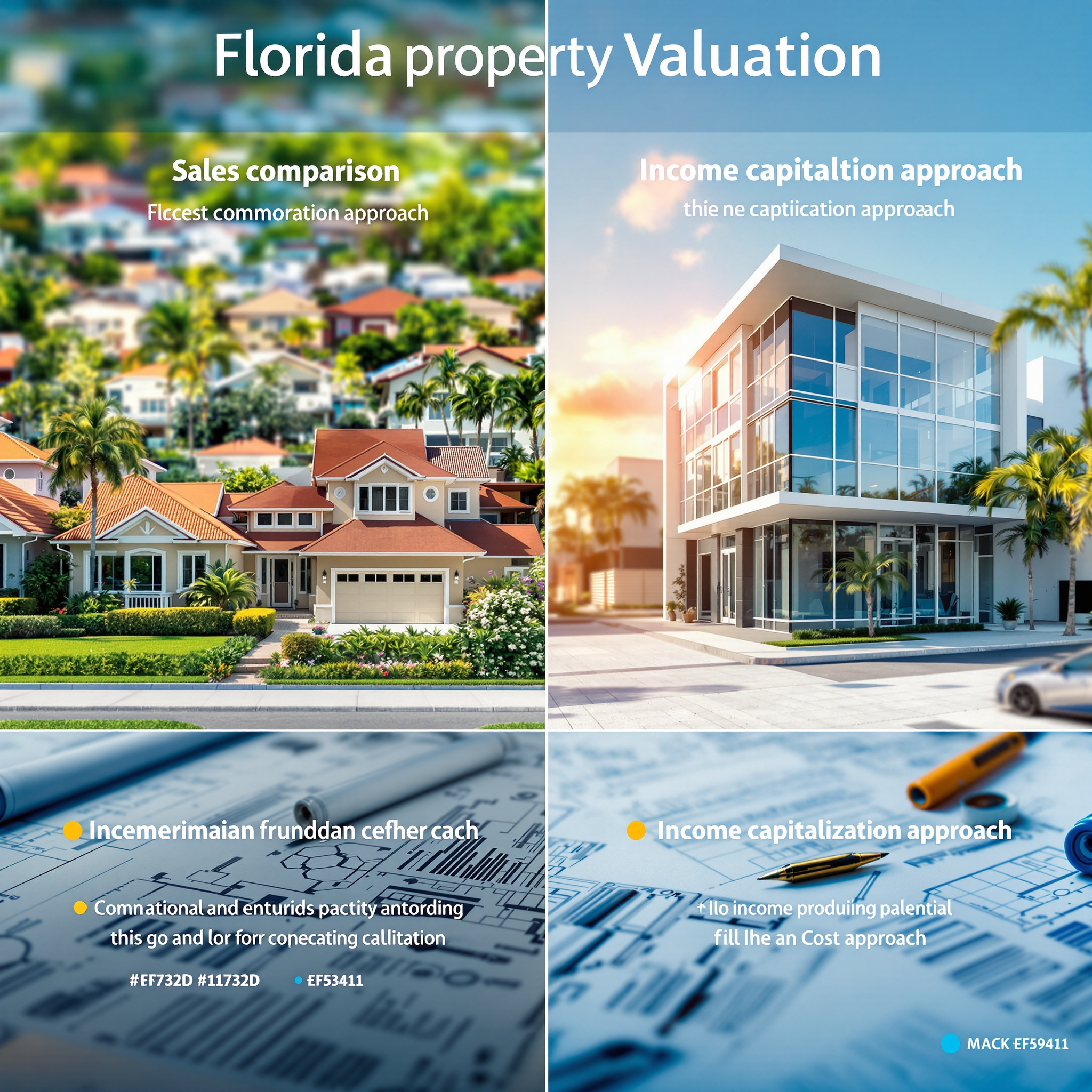
Florida property valuation methods significantly impact property taxes, investment decisions, and market understanding.

* **Market Value/Fair Market Value:** Most common method, estimates price a property would fetch on the open market. Crucial for sales and purchase decisions.

* **Assessed Value:** Used for property tax purposes; often lower than market value. Florida law requires property to be assessed at just value as of January 1st of each year.

* **Taxable Value:** Assessed value minus any exemptions (e.g., homestead). Property taxes are calculated based on taxable value. Homestead exemption provides up to $50,000 exemption from assessed value.

* **Cost Approach:** Estimates value based on the cost to replace the property minus depreciation. Useful for unique or specialized properties where comparable sales data are limited.

* **Income Capitalization Approach:** Estimates value based on the income the property generates. Primarily used for commercial and investment properties. Net Operating Income (NOI) is a key factor.

* **Comparable Sales Approach (Sales Comparison Approach):** Most common residential method; analyzes recent sales of similar properties (comps). Adjustments made for differences between subject property and comps.

* **Florida Statute 193.011:** Outlines factors appraisers must consider when determining just value (e.g., location, size, use, condition, zoning).

* **Property Tax Appeals:** Florida property owners have the right to appeal their assessed value if they believe it’s inaccurate. Filing deadlines and procedures vary by county.

* **Impact of Market Conditions:** Rapid appreciation or depreciation can affect all valuation methods. Understanding local market trends is vital.

10 Jul, 2025

Lenders and servicers have entire sets of policies and procedures based on the Federal Emergency Management Agency (FEMA) declaring an emergency in a given area. President Trump says FEMA should be eliminated, which would definitely impact this process. Texas officials weren’t fans of FEMA until they needed it. Unfortunately, FEMA has become politicized. Generally, how does politics work, regardless of political party? President Trump’s spending bill passage was in trouble, and it needed Alaska Senator Murkowski’s vote. And that is how 150 Eskimo whalers saw a fivefold increase in the amount they claim in expenses against tax every year, and the subsidy for Alaska’s rural hospitals was doubled from $25 billion to $50 billion. Meanwhile, professional poker players and sports bettors are demanding a change to the massive tax and spending bill since it changed the way gamblers deduct their losses on their taxes. Currently, gambling winnings can be offset by 100 percent of gambling losses. But the deduction will be lowered to 90 percent of losses in the new bill, which professional gamblers and tax professionals say could lead to taxes on income that gamblers did not earn. So “if they won $100,000 and lost $100,000, they still owe money on the $10,000” because only $90,000 can now be deducted, said Rep. Dina Titus, a Democrat representing Las Vegas who introduced a bill this week to reverse the tax change. (Today’s podcast can be found here and this week’s is sponsored by Truework, the only all-in-one, automated VOIEA platform that helps mortgage providers achieve up to 50 percent cost savings with an industry leading 75 percent completion rate. Today’s has an interview with Pennymac’s Kim Nichols on the current state of the broker channel, market dynamics, and strategies shaping the future of third-party origination.)

27 Jun, 2025

Florida’s real estate market is showing signs of moderation after significant growth. Rising insurance costs and property taxes are impacting affordability. Population growth, while still positive, is slowing.

Key areas to watch:

* **Affordable Options:** Central Florida (e.g., Polk County) offers relative affordability compared to coastal areas.
* **Coastal Considerations:** Southwest Florida (e.g., Cape Coral, Fort Myers) still recovering from Hurricane Ian; potential for investment but with risks. High insurance costs are a major factor.
* **Luxury Market:** Remains active, particularly in Southeast Florida (Miami, Palm Beach), but inventory is increasing, which may temper price growth.
* **Interest Rates:** Higher rates are cooling demand, leading to longer time on market and price adjustments.
* **Inventory:** Increasing in many markets, giving buyers more negotiating power.
* **Migration:** Shift from domestic to international migration is impacting demand in certain areas.

Data Points:

* Median home prices have seen corrections in some markets after peak levels.
* Insurance premiums in Florida are significantly higher than the national average.
* Days on market are increasing across the state.
* Inventory levels are rising but vary significantly by region.

26 Jun, 2025

– Florida’s real estate market is experiencing a shift, moving away from the pandemic-fueled boom.
– Inventory is rising in many areas. For example, active listings in some metro areas have more than doubled year-over-year.
– Price appreciation is slowing; some markets are seeing price reductions. Median sale prices may still be up year-over-year, but the rate of increase is significantly lower than in previous years.
– Interest rates are higher, impacting affordability and buyer demand. The 30-year fixed mortgage rate has climbed substantially compared to previous years.
– Days on market are increasing, indicating homes are taking longer to sell.
– Population growth, while still positive, may be moderating compared to the peak influx seen during the pandemic.
– Insurance costs and property taxes remain significant concerns for Florida homeowners.

24 Jun, 2025

The most common property valuation methods in Florida are the sales comparison approach, the cost approach, and the income capitalization approach. The sales comparison approach, relying on recent comparable sales, is frequently used for residential properties. The cost approach, estimating replacement cost minus depreciation, is often employed for unique properties or those lacking comparable sales. The income capitalization approach, converting net operating income into value, is primarily used for income-producing properties like commercial real estate. Property tax assessments in Florida are based on “just value” as of January 1st each year. Florida’s 10% Save Our Homes assessment limitation caps annual increases for homesteaded properties. Overassessment rates can vary by county, with some studies suggesting significant discrepancies between assessed and market values. Property owners can challenge assessments through county property appraisers and Value Adjustment Boards. Accurate valuation is crucial for fair taxation, property sales, and investment decisions.

19 Jun, 2025

* **Inventory:** Florida’s housing inventory is still low compared to historical averages but is increasing in many markets, offering buyers more choices.
* **Price Growth:** Home price appreciation has slowed significantly from the peaks of 2021-2022, with some areas experiencing price corrections or declines.
* **Interest Rates:** Mortgage rates are elevated, impacting affordability for buyers and potentially cooling demand. Expect rates to be volatile and sensitive to the macroeconomic outlook.
* **Sales Volume:** Closed sales are down year-over-year in many Florida markets, reflecting the impact of higher interest rates and affordability challenges.
* **Days on Market:** Properties are staying on the market longer than they were in the peak of the market, indicating a shift towards a more balanced market.
* **Regional Differences:** Florida’s real estate market is not monolithic. Conditions vary significantly between regions (e.g., South Florida vs. the Panhandle).
* **Population Growth:** Florida continues to experience population growth, driving underlying demand for housing, even with the short-term cooling.
* **Economic Factors:** Florida’s economy, including tourism and employment, plays a crucial role in the real estate market’s health. A strong economy generally supports housing demand.
* **Investment:** Investors are still active in the Florida market, but they are more cautious and discerning due to economic uncertainty and higher borrowing costs.
* **Rentals:** Rental rates in some areas are beginning to stabilize or even decrease, impacting the investment appeal of rental properties.