30 May, 2025

“Rob, what are the odds that the MBA will set up a ‘Man Park’ at the big conference in Las Vegas in October?” Slim to none. The United States is an interesting place. We’re approaching the summer, and last week Steve Pruitt reminded me that New Jersey is pretty much the only place where land meeting water is called “the shore;” everywhere else it’s called “the beach.” (Yes, people in New Jersey can go to the beach, and there are shores even outside the Garden State… “Shore” is a generic term for the place where land meets water. Don’t argue.) As we approach summer, those of us in the United States find that we no longer have an AAA-rated government. (The rating agencies have pegged countries like Canada, Denmark, and Australia higher.) Affordability continues to be troubling, but the data seems clear that removing parking requirements and other zoning changes can make a big difference in urban affordability and it doesn’t even take that long… What worked in Minneapolis may work in Chicago and other cities. (Today’s podcast can be found here and this week’s is sponsored by Calque. Calque provides a binding backup offer on your borrower’s departing residence to clear the existing mortgage balance and closing costs in 48 business hours or less. And it costs less than other buy before you sell solutions. Hear an interview with attorney Brian Levy on the intersection of change chatter around the GSEs (Fannie and Freddie) and the Federal Reserve.) Software, Products, and Services for Lenders and Brokers

3 May, 2025

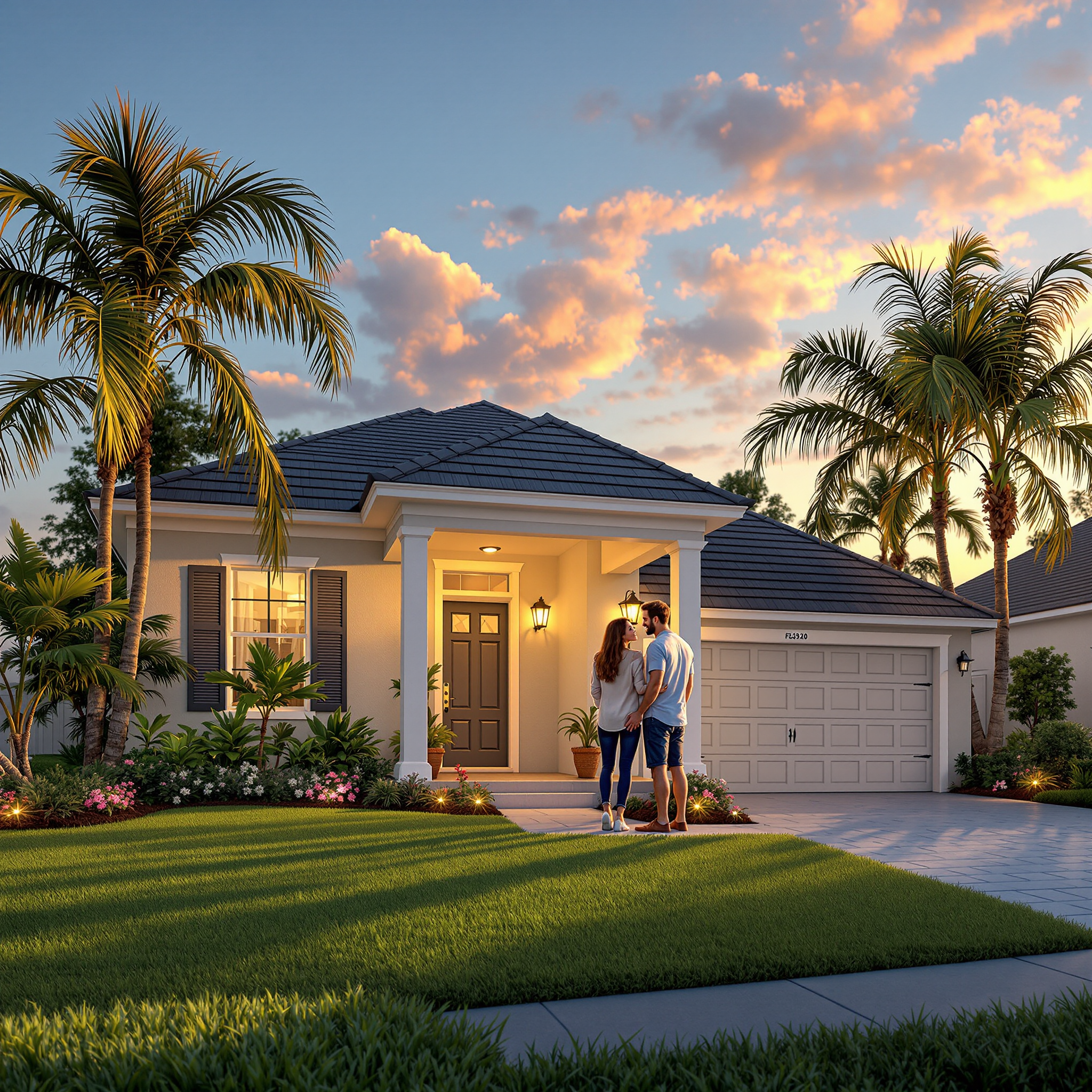
Florida’s real estate market is currently experiencing a mix of factors impacting buyer decisions.

* **Inventory:** Housing supply remains tight in many areas, though some markets are seeing inventory gains compared to the pandemic lows.
* **Home Prices:** Price appreciation has slowed significantly after record gains in recent years, with some areas experiencing price corrections or stabilization. Certain areas are still seeing year-over-year increases.
* **Interest Rates:** Mortgage rates have increased substantially, impacting affordability and buyer demand. Higher rates reduce purchasing power.
* **Sales Volume:** Sales volume has decreased compared to the previous year, indicating a cooling market.
* **Migration:** Florida continues to experience population growth, particularly from domestic migration, which supports underlying housing demand despite market adjustments.
* **Days on Market:** Homes are staying on the market longer than they were in recent years, providing buyers with more negotiation power.
* **Foreclosure Rate:** The foreclosure rate is below national averages, showing a relatively strong housing market.
* **Rental Market:** Rental prices have also seen slowdowns after record increases, offering potential alternatives for those priced out of homeownership.

1 May, 2025

Florida home sales totaled 267,115 in 2023, a decrease of 16.3% from 2022. The median sales price for single-family homes statewide in 2023 was $405,000. Inventory levels increased, with a 3.5 months’ supply of single-family homes at the end of 2023. Mortgage rates significantly impacted affordability, averaging near 7% for much of the year. Popular areas include Miami, Tampa, Orlando, and Jacksonville, each with varying price points and market dynamics. Property taxes in Florida average around 0.98% of assessed value. Flood insurance is often required, particularly in coastal areas, adding to the overall cost of homeownership. First-time homebuyers should research available state and local assistance programs for down payment and closing cost assistance.

1 May, 2025

Renovating kitchens and bathrooms offers the highest ROI in Florida’s real estate market, potentially yielding a 60-80% return on investment. Energy-efficient upgrades, like solar panels and impact-resistant windows, increase home value and appeal, reducing energy bills and insurance costs. Landscaping projects with drought-resistant plants are cost-effective and enhance curb appeal. According to Zillow, homes with updated kitchens sell for 5% more than comparable homes. Swimming pools add significant value, particularly in South Florida, but require careful consideration of maintenance costs and potential liability. Investing in hurricane-resistant features is crucial for maximizing value and attracting buyers. Smart home technology integration is increasingly desirable among Florida homebuyers.

30 Apr, 2025

Florida home renovation ROI depends heavily on project choice. Kitchen and bathroom remodels generally offer the highest returns. Minor kitchen upgrades, such as new appliances or cabinet refacing, can see ROIs of 70-80%. Complete kitchen remodels can range from 50-75% ROI. Bathroom remodels typically yield 60-70% ROI. Curb appeal improvements, like landscaping and exterior paint, can significantly increase perceived value and potentially offer a high ROI, though precise figures are less readily available. Major renovations like adding a pool, while appealing, often have lower ROIs (20-50%) and may not recoup the full investment at resale. Location and market conditions significantly impact ROI; coastal properties may benefit more from hurricane-resistant upgrades. Energy-efficient upgrades, such as new windows or solar panels, can attract buyers and potentially improve ROI, often supported by state rebates. ROI calculations should consider material costs, labor expenses, and the potential increase in selling price.

21 Apr, 2025

* **Florida Homeownership Rate:** Roughly 68% (fluctuates based on economic conditions and migration patterns).
* **Median Home Price (2024):** Varies greatly by region, but statewide median is ~$400,000 – $450,000. Coastal areas significantly higher.
* **Property Taxes:** Average effective property tax rate around 0.85% – 1.1%, but homestead exemption can lower the tax burden for primary residences.
* **Insurance:** High insurance costs due to hurricane risk; average homeowner insurance premium ~$6,000 per year (can be much higher in high-risk zones). Flood insurance is often required.
* **Down Payment Assistance:** State and local programs offer assistance to first-time homebuyers.
* **Closing Costs:** Typically range from 2% to 5% of the purchase price.
* **Popular Markets:** High demand in areas like Tampa, Orlando, Miami, Jacksonville, and Southwest Florida, driving up prices.
* **Seller’s Market Dynamics:** Florida often experiences seller’s market conditions due to population growth and demand, resulting in competitive bidding and faster sales.
* **Disclosure Requirements:** Sellers must disclose known material defects affecting the property’s value.
* **Real Estate Agents:** Utilizing a real estate agent is common; commissions typically range from 5% to 6% of the sale price, split between the buyer’s and seller’s agents.
* **Thriving Considerations:** Managing hurricane preparedness, understanding HOA rules (if applicable), and budgeting for ongoing maintenance are critical for thriving.
* **Growth:** Florida experiences substantial population growth, impacting housing supply and affordability.

20 Apr, 2025

Florida Home Selling Strategies: Maximize Your Profit in Today’s Market:

* **Market Conditions:** Florida’s real estate market is dynamic, with fluctuating inventory levels and interest rates impacting sale prices. Median home prices in some areas have seen recent corrections after significant pandemic-era growth.
* **Pricing Strategy:** Competitive pricing is crucial. Overpricing can lead to longer market times and price reductions. Consider a comparative market analysis (CMA) by a local agent for accurate pricing.
* **Home Improvements:** Strategic upgrades, such as kitchen or bathroom remodels, generally yield a high return on investment (ROI). Focus on updates that appeal to the current buyer demographic (e.g., energy efficiency). Minor repairs and improvements (painting, landscaping) can significantly enhance curb appeal and perceived value.
* **Staging:** Staged homes often sell faster and at higher prices than non-staged homes. Staging helps buyers visualize themselves living in the space.
* **Marketing:** Effective marketing includes professional photography, virtual tours, and listing on major online real estate portals (Zillow, Realtor.com). Social media and targeted advertising can expand reach.
* **Negotiation:** Be prepared to negotiate offers. Understanding market trends and buyer motivations is key to maximizing profit while closing the deal.
* **Seasonality:** Peak selling seasons in Florida are generally spring and early summer. Timing can impact demand and sale price.
* **Legal and Financial Considerations:** Consult with a real estate attorney and tax advisor to understand closing costs, potential capital gains taxes, and legal requirements.
* **Inventory:** Keeping an eye on the number of properties available and how long they have been sitting on the market can greatly effect selling prices.

18 Apr, 2025

– Florida’s hot real estate market makes strategic renovations key for maximizing home value.
– Kitchen and bathroom remodels consistently offer high returns on investment (ROI). A minor kitchen remodel can recoup 70-80% of costs.
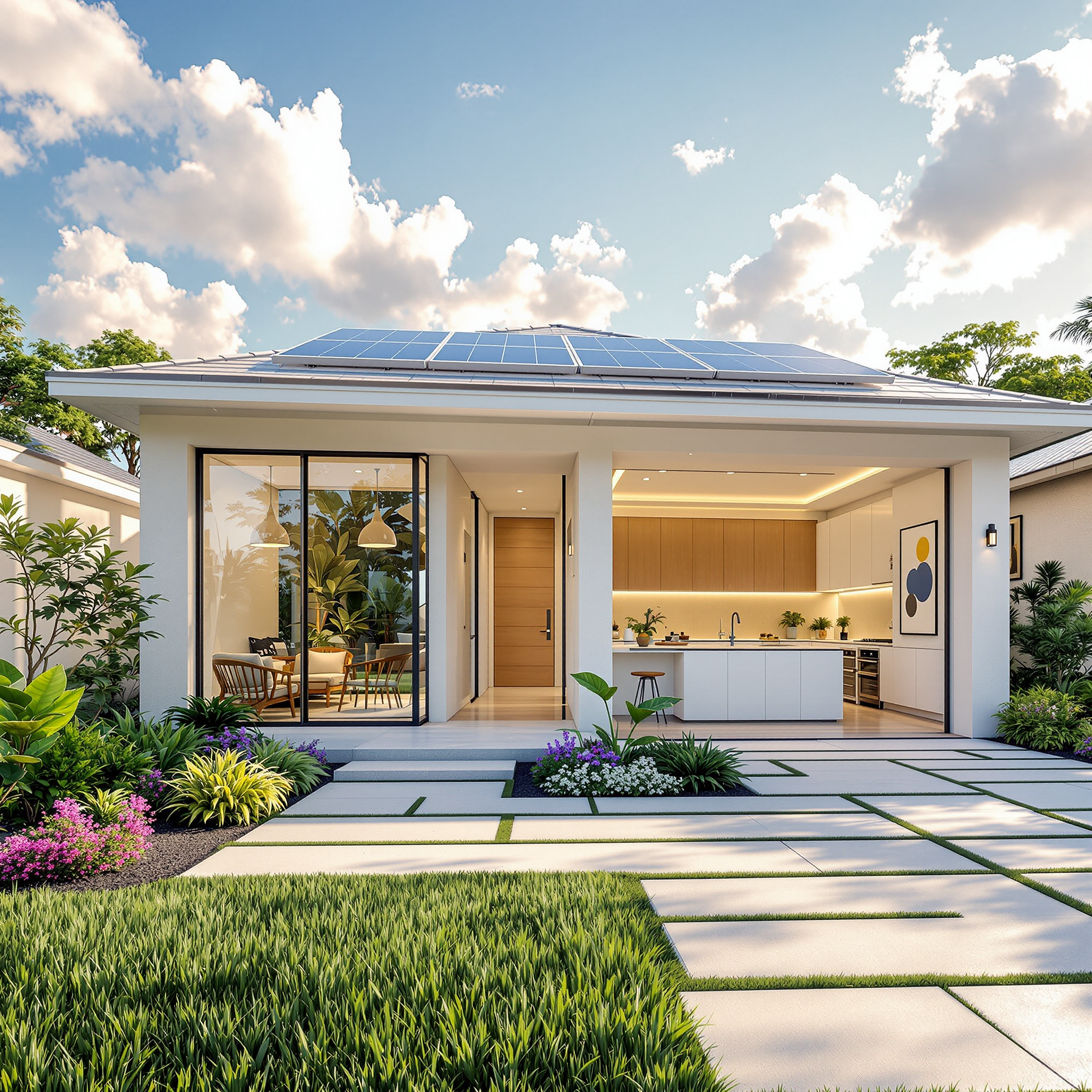
– Energy-efficient upgrades (solar panels, insulation, efficient windows) are increasingly valuable due to Florida’s climate and rising energy costs; solar panel installation can increase home value by ~4.1% on average.
– Curb appeal enhancements (landscaping, exterior painting) are crucial for attracting buyers and can significantly impact perceived value.
– Open-concept living spaces remain highly desirable; carefully planned wall removals can increase square footage appeal.
– Homeowners in coastal areas should prioritize hurricane-resistant upgrades, which can significantly impact insurability and value. These upgrades can see an ROI up to 50%.
– Smart home technology integration (smart thermostats, lighting, security systems) is increasingly popular and adds a modern appeal that can boost perceived value.
– ROI on renovations varies significantly by location; research comparable sales in the immediate area is crucial before undertaking major projects.

17 Apr, 2025

A week from today is “Take Your Child to Work Day.” Something tells me that it won’t be observed in U.S. Government offices. While we’re on family issues, I received this note. “Rob, have you heard of originators sponsoring SPCA pet adoption days, since sometimes when a family welcomes a dog, it is a precursor to moving from an apartment into a house? And the LO wants to be in front of pet owners.” Yes, indeed I have, and it’s a good cause. There is talk that the traditional chain of, “College, job, marriage, children, home, pets” may be shuffled a little for starter families and starter homes for people in their 20s. Nearly everyone knows where the equator is, but polls indicate that 89 percent of people in the United States couldn’t identify Syria, Ukraine, or Gaza on a world map. Okay, I just made that statistic up, but I bet it is not far off. Hopefully they know where Omaha is, or at least Nebraska, since lenders may want to have a branch there because it is a fine place for people in their 20’s to afford a home. (Today’s podcast can be found here and this week’s are sponsored by BeSmartee, transforming mortgage lending with Bright Connect, its native mobile app designed to boost loan officer productivity, speed up referrals, and simplify the borrower experience. Hear an interview with Luxury Mortgage’s David Adamo on the strategic advantages of non-QM loans, and insights on how they can help lenders stand out, diversify their portfolios, and navigate today’s competitive lending landscape.)

27 Mar, 2025

– Florida’s housing market is competitive, especially in coastal areas.
– Interest rates significantly impact affordability; even small increases can substantially raise monthly payments.
– Property taxes in Florida average around 0.97% of assessed value, varying by county and municipality.
– Homeowners insurance is a major expense due to hurricane risk, averaging significantly higher than the national average; location and construction impact premiums.
– Flood insurance may be required, especially in coastal zones; FEMA flood maps are critical for determining risk.
– Understanding HOA fees is crucial; they can add substantially to monthly housing costs and vary widely by community.
– Inspections are vital; identify potential problems before closing, especially regarding older homes and hurricane preparedness.