2 Sep, 2025

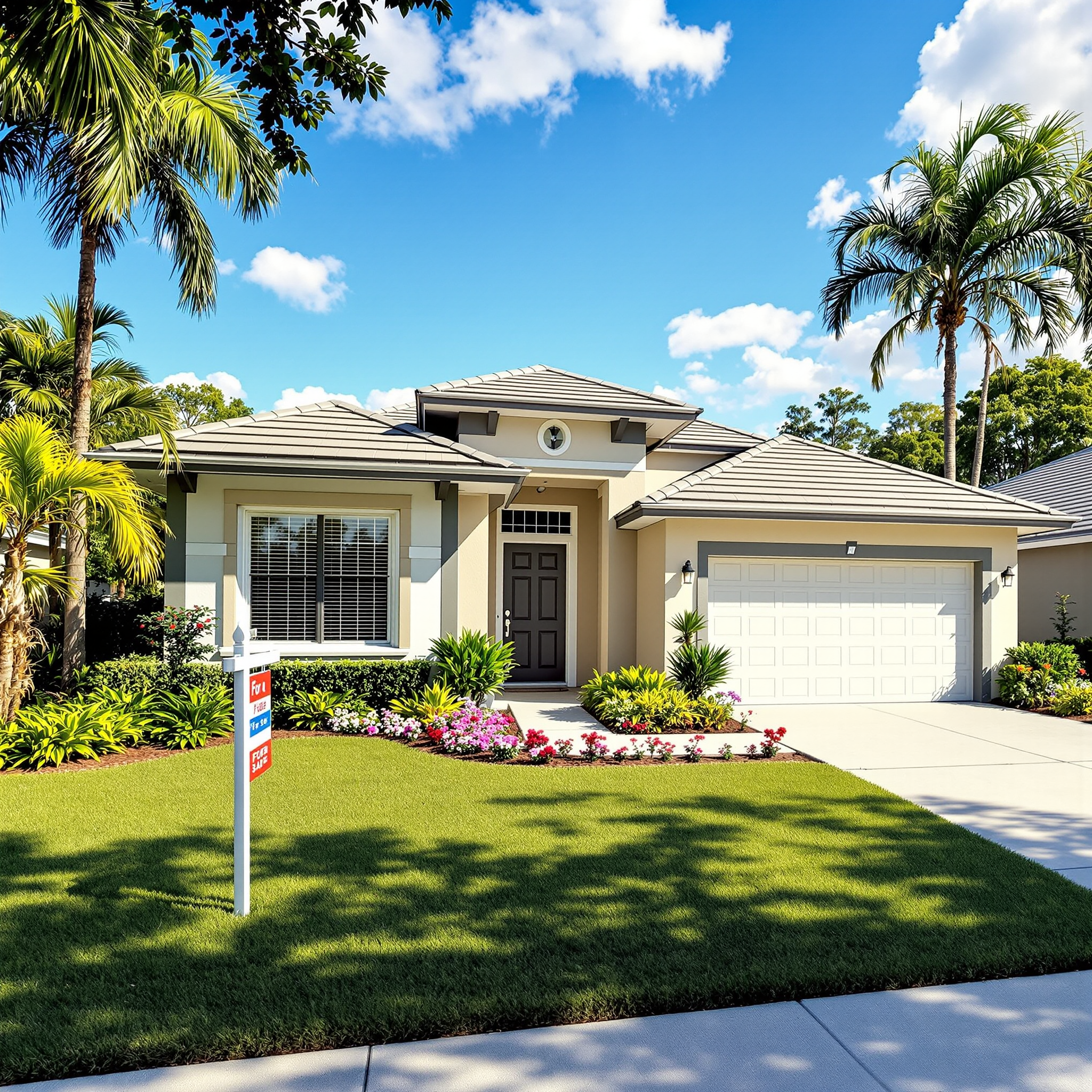
Florida’s real estate market is currently experiencing a correction after a period of rapid growth. Inventory is increasing, offering buyers more choices compared to the recent past.

* **Median Home Prices:** Increased significantly over the past few years but are now showing signs of stabilization or slight declines in some areas. Zillow’s data indicates price reductions.

* **Inventory:** Inventory levels have been rising, providing more negotiating power for buyers. Active listings are up year-over-year in many Florida markets.

* **Interest Rates:** Mortgage rates have fluctuated, influencing affordability. Higher interest rates can impact monthly payments and overall buying power.

* **Sales Volume:** Sales volume has decreased compared to the peak of the market, reflecting a cooling demand.

* **Days on Market:** Properties are staying on the market longer, indicating a shift away from the frenzied buying activity of the previous years.

* **Regional Variations:** The market varies significantly across the state. Coastal areas and major cities may still be more competitive than inland or rural regions. Factors impacting prices are tourism, migration, and local economies.

* **Migration:** Florida continues to experience population growth, though the rate may be slowing. Net migration is still a factor influencing housing demand.

7 Jun, 2025

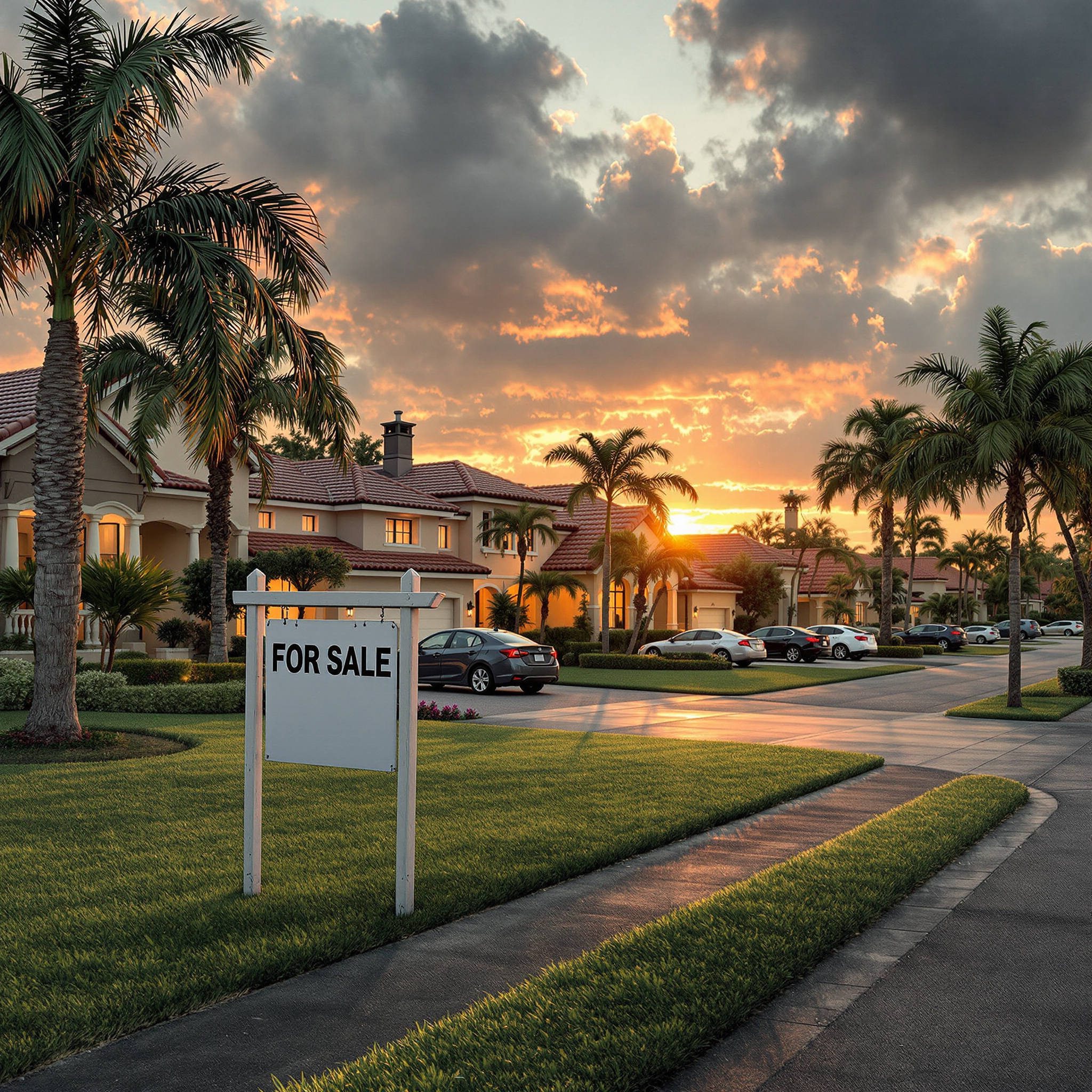
Florida’s home affordability crisis stems from rising home prices, insurance costs, and interest rates outpacing income growth. In 2023, Florida ranked among the least affordable states for housing. A typical Florida household needs an income significantly higher than the median to afford a median-priced home.

* Median home prices in many Florida metros are substantially above the national median.
* Property insurance rates in Florida are significantly higher than the national average, adding hundreds of dollars monthly to housing costs.
* Rising interest rates have drastically reduced buying power, making it harder to qualify for mortgages.
* The state faces a shortage of affordable housing units, particularly for low- and middle-income families.
* Limited housing supply and population growth continue to drive up home prices.
* Certain areas, especially coastal regions, experience even more pronounced affordability challenges.
* Wage stagnation in many sectors contributes to the affordability gap.

17 Mar, 2025

Florida offers several programs for first-time homebuyers, including down payment and closing cost assistance. Eligibility typically requires a credit score of 620 or higher, income limits varying by county, and completion of a HUD-approved homebuyer education course. The Florida Housing Finance Corporation (Florida Housing) oversees many of these initiatives. Key programs include the Florida Assist Second Mortgage (provides down payment assistance as a deferred, non-interest loan) and the Homeownership Loan Program (offering below-market interest rates). Income limits can range from approximately $65,000 to over $100,000, depending on household size and location. Florida’s Hometown Heroes program offers discounts to essential workers, providing lower rates and down payment assistance, capped at $35,000. The maximum purchase price varies by county and program, often in the $300,000 – $450,000 range.