26 Sep, 2025

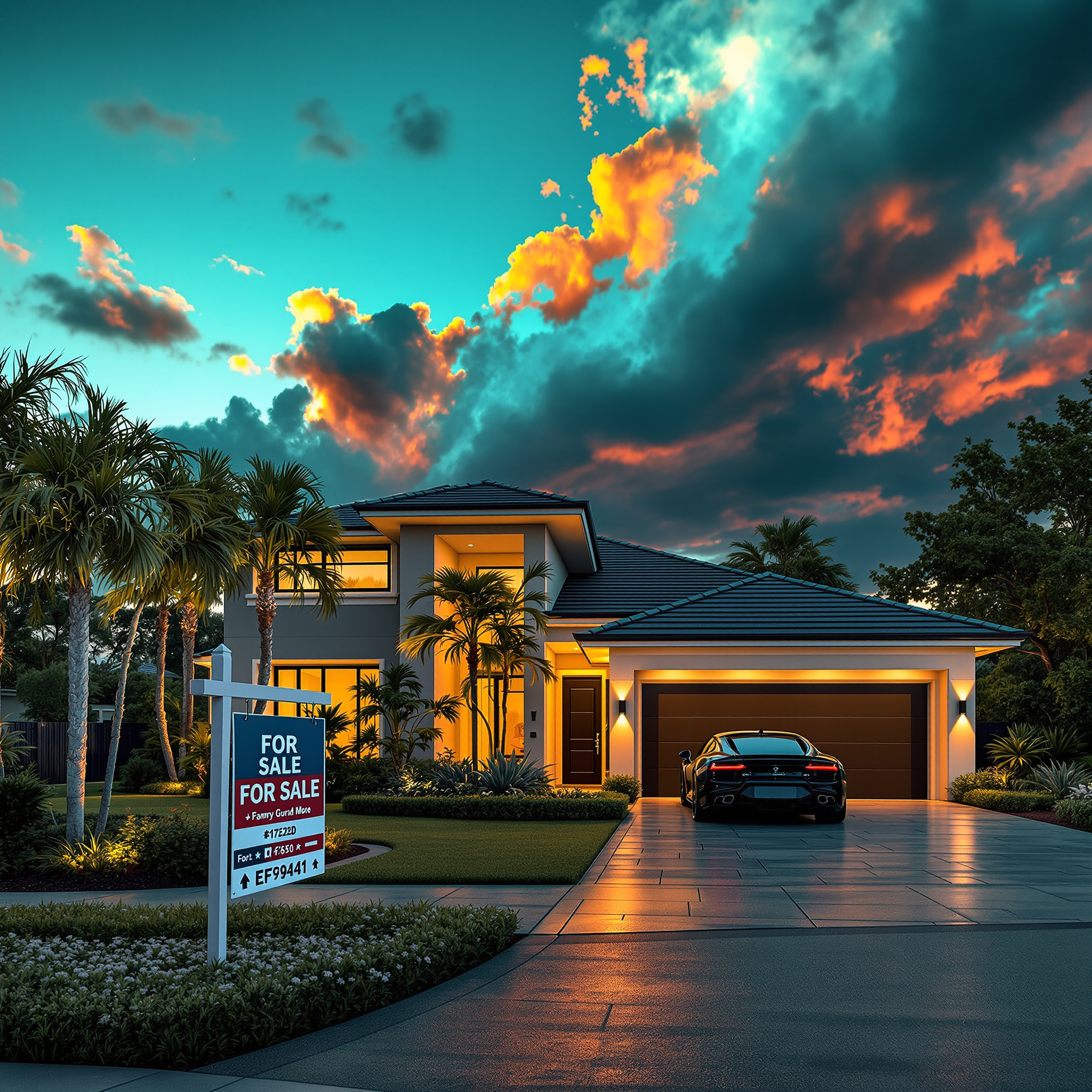
– Florida’s housing market is showing signs of cooling, with inventory rising and price growth slowing.
– Median home prices remain elevated, but price reductions are becoming more common in some areas.
– Mortgage rates significantly impact affordability, influencing buyer demand. The current interest rates are averaging between 6% and 7%.
– Florida experienced a population surge in recent years, impacting housing demand, but growth is slowing.
– Increased insurance premiums and property taxes are adding to the overall cost of homeownership in Florida, potentially deterring some buyers.
– Days on market are increasing, indicating a shift towards a more balanced market favoring buyers.
– Tourist activity and seasonal residents influence demand in certain Florida markets.
– Cash buyers remain a significant factor, particularly in luxury markets.
– New construction is adding to the housing supply, potentially easing inventory constraints.
– Some analysts are predicting a potential correction in certain Florida markets, while others anticipate continued moderate growth.
15 Sep, 2025

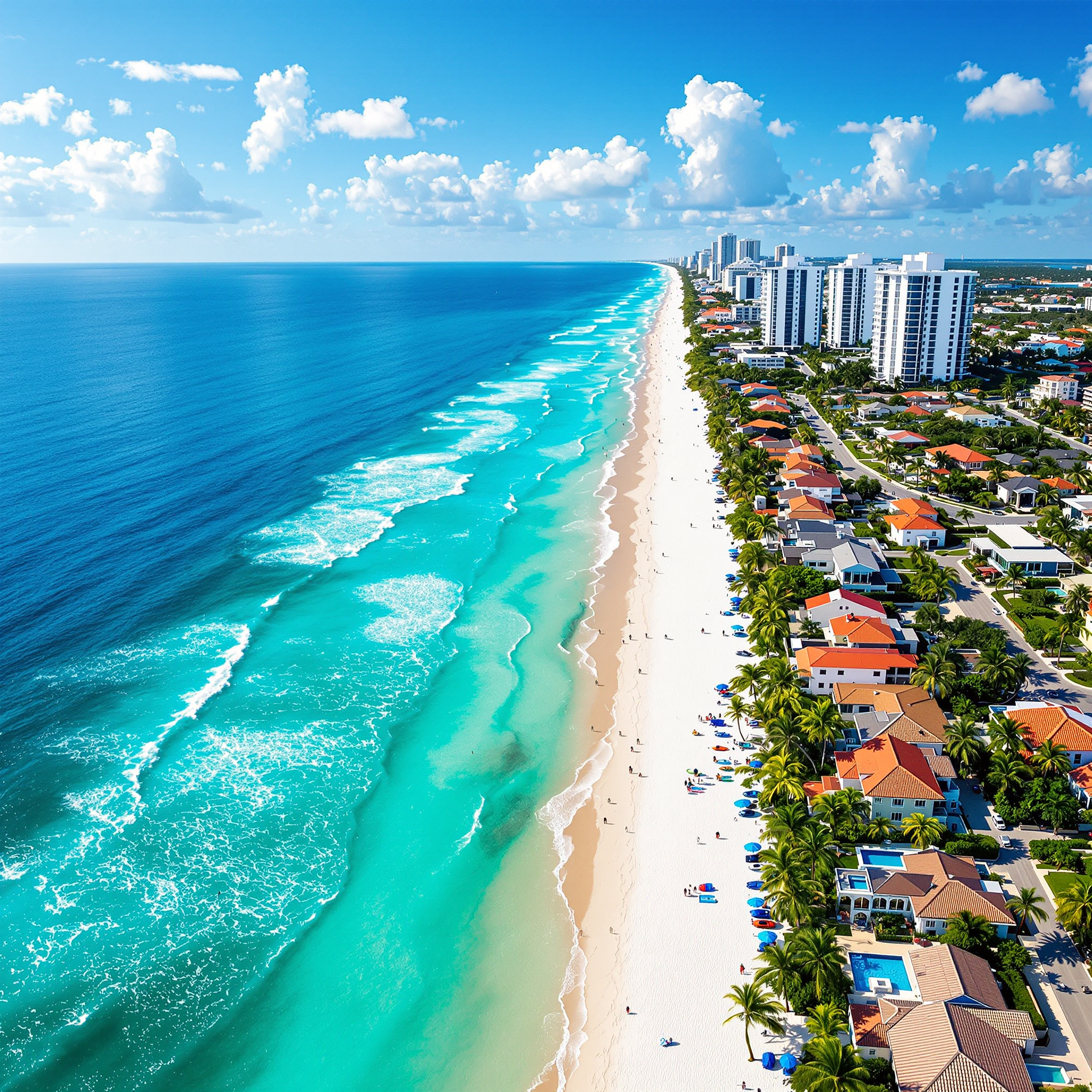
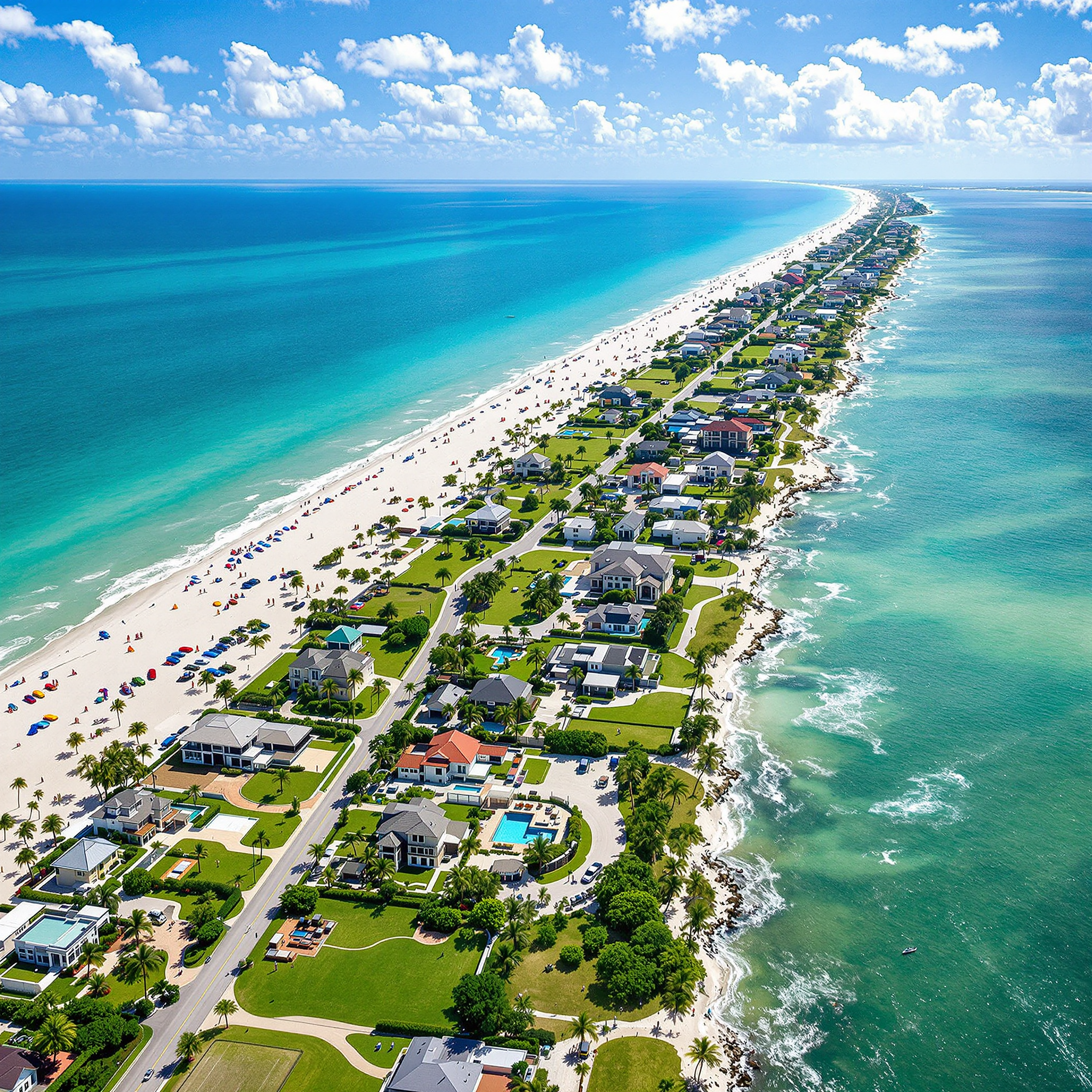
Florida’s real estate market is currently facing a complex situation marked by high prices and fluctuating demand. Inventory is increasing in many areas but remains below historical averages. Interest rates significantly impact affordability, and although rates have stabilized, they remain elevated compared to recent years. Population growth, while still positive, has slowed compared to the pandemic peak. The median sales price for existing single-family homes varies widely across the state, with some metropolitan areas experiencing price corrections while others remain relatively stable. Rising insurance costs and property taxes contribute to the overall cost of homeownership, further impacting affordability. Investor activity has decreased, shifting the market dynamic toward more traditional owner-occupant buyers.

12 Jun, 2025

* **Florida’s housing market is normalizing after a period of rapid growth:** Expecting slower appreciation and increased inventory.
* **Population growth remains a key driver:** Florida continues to attract residents, although at a reduced pace compared to 2020-2022.
* **Interest rates & Insurance costs impact affordability:** Higher mortgage rates and escalating insurance premiums are challenging potential buyers.
* **Regional Variations Exist:**
* **Southeast Florida (Miami, Fort Lauderdale):** Luxury market softening; high-end inventory rising; still strong rental demand.
* **Southwest Florida (Naples, Cape Coral):** Recovery from Hurricane Ian impacting the market; some areas seeing price corrections.
* **Central Florida (Orlando, Tampa):** Theme park employment stabilizing; robust job growth in other sectors; relatively more affordable than coastal areas.
* **Northeast Florida (Jacksonville):** Continued population influx; strong job market; offering more value compared to South Florida.
* **Inventory:** Statewide inventory levels are up compared to recent lows but still below pre-pandemic levels.
* **Days on Market (DOM):** DOM is increasing, indicating a shift towards a more balanced market.
* **Investment Considerations:** Consider cash flow properties, renovation opportunities in impacted areas, and long-term rental demand in areas with continued job growth. Affordability is a key factor.
* **Data Point:** Median sales price increases are decelerating statewide, with some areas experiencing price decreases year-over-year.

12 Jun, 2025

* **Inventory:** Florida’s housing inventory remains relatively low compared to historical averages, although it’s been increasing year-over-year in many metro areas. Some markets have seen double-digit percentage increases in active listings.
* **Median Home Prices:** While prices surged dramatically in 2021-2022, appreciation has cooled. Some areas are experiencing price corrections or stabilization. The statewide median sales price for single-family homes has shown some fluctuations but remains elevated compared to pre-pandemic levels.
* **Interest Rates:** Mortgage interest rates are significantly higher than in the recent past, impacting affordability and buyer demand. This has led to a shift towards a more balanced market.
* **Days on Market:** Homes are staying on the market longer than they were a year or two ago, indicating a slower sales pace.
* **Sales Volume:** Closed sales have decreased year-over-year in many regions, reflecting the reduced buyer activity due to higher rates and prices.
* **Regional Variations:** The Florida real estate market is highly localized. Coastal areas and popular destinations may exhibit different trends than inland or less-developed regions. Demand and pricing vary significantly across different counties and cities.
* **New Construction:** New construction is adding to the housing supply in some areas, potentially impacting resale values.
* **Migration:** Florida’s population growth continues, but may be slowing compared to the peak of pandemic-era migration. In-migration still supports overall demand, but it is not as robust as it once was.

12 Jun, 2025

* **Inventory:** Florida’s housing inventory remains relatively low compared to historical averages, although it’s been increasing year-over-year in many metro areas. Some markets have seen double-digit percentage increases in active listings.
* **Median Home Prices:** While prices surged dramatically in 2021-2022, appreciation has cooled. Some areas are experiencing price corrections or stabilization. The statewide median sales price for single-family homes has shown some fluctuations but remains elevated compared to pre-pandemic levels.
* **Interest Rates:** Mortgage interest rates are significantly higher than in the recent past, impacting affordability and buyer demand. This has led to a shift towards a more balanced market.
* **Days on Market:** Homes are staying on the market longer than they were a year or two ago, indicating a slower sales pace.
* **Sales Volume:** Closed sales have decreased year-over-year in many regions, reflecting the reduced buyer activity due to higher rates and prices.
* **Regional Variations:** The Florida real estate market is highly localized. Coastal areas and popular destinations may exhibit different trends than inland or less-developed regions. Demand and pricing vary significantly across different counties and cities.
* **New Construction:** New construction is adding to the housing supply in some areas, potentially impacting resale values.
* **Migration:** Florida’s population growth continues, but may be slowing compared to the peak of pandemic-era migration. In-migration still supports overall demand, but it is not as robust as it once was.

12 Jun, 2025

* **Inventory:** Florida’s housing inventory remains relatively low compared to historical averages, although it’s been increasing year-over-year in many metro areas. Some markets have seen double-digit percentage increases in active listings.
* **Median Home Prices:** While prices surged dramatically in 2021-2022, appreciation has cooled. Some areas are experiencing price corrections or stabilization. The statewide median sales price for single-family homes has shown some fluctuations but remains elevated compared to pre-pandemic levels.
* **Interest Rates:** Mortgage interest rates are significantly higher than in the recent past, impacting affordability and buyer demand. This has led to a shift towards a more balanced market.
* **Days on Market:** Homes are staying on the market longer than they were a year or two ago, indicating a slower sales pace.
* **Sales Volume:** Closed sales have decreased year-over-year in many regions, reflecting the reduced buyer activity due to higher rates and prices.
* **Regional Variations:** The Florida real estate market is highly localized. Coastal areas and popular destinations may exhibit different trends than inland or less-developed regions. Demand and pricing vary significantly across different counties and cities.
* **New Construction:** New construction is adding to the housing supply in some areas, potentially impacting resale values.
* **Migration:** Florida’s population growth continues, but may be slowing compared to the peak of pandemic-era migration. In-migration still supports overall demand, but it is not as robust as it once was.

11 Jun, 2025

* **Inventory:** Florida’s housing inventory remains relatively low compared to historical averages, although it’s been increasing year-over-year in many metro areas. Some markets have seen double-digit percentage increases in active listings.
* **Median Home Prices:** While prices surged dramatically in 2021-2022, appreciation has cooled. Some areas are experiencing price corrections or stabilization. The statewide median sales price for single-family homes has shown some fluctuations but remains elevated compared to pre-pandemic levels.
* **Interest Rates:** Mortgage interest rates are significantly higher than in the recent past, impacting affordability and buyer demand. This has led to a shift towards a more balanced market.
* **Days on Market:** Homes are staying on the market longer than they were a year or two ago, indicating a slower sales pace.
* **Sales Volume:** Closed sales have decreased year-over-year in many regions, reflecting the reduced buyer activity due to higher rates and prices.
* **Regional Variations:** The Florida real estate market is highly localized. Coastal areas and popular destinations may exhibit different trends than inland or less-developed regions. Demand and pricing vary significantly across different counties and cities.
* **New Construction:** New construction is adding to the housing supply in some areas, potentially impacting resale values.
* **Migration:** Florida’s population growth continues, but may be slowing compared to the peak of pandemic-era migration. In-migration still supports overall demand, but it is not as robust as it once was.