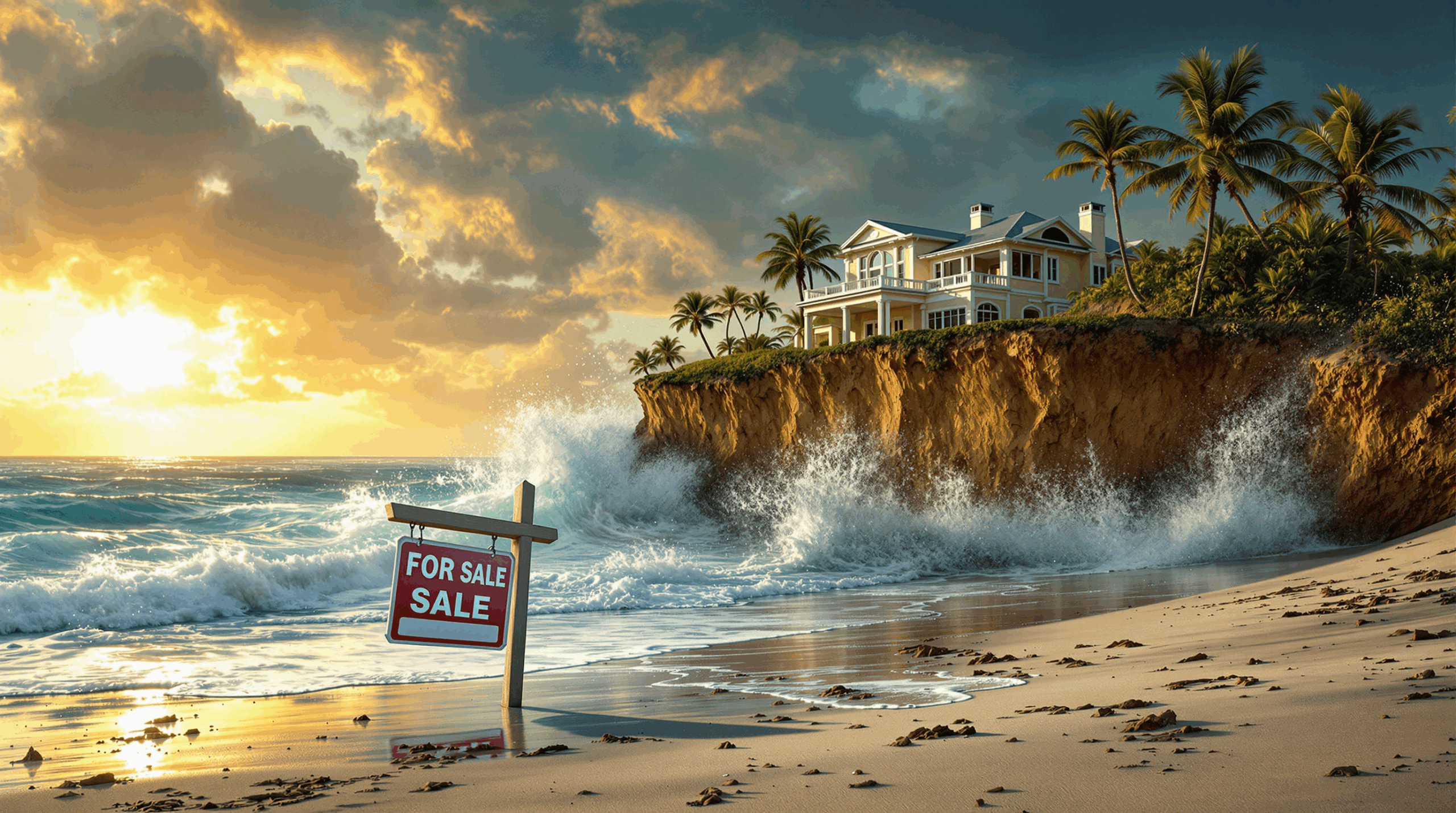
Florida Real Estate: Climate Research Cuts Impact Future Home Values
Florida’s vibrant real estate market, known for its sunny beaches and thriving communities, faces a growing threat that could significantly impact future home values: climate change. With rising sea levels, increased frequency of extreme weather events, and evolving climate research, the Sunshine State’s property landscape is poised for a dramatic shift. However, recent cuts in climate research funding and personnel raise critical questions about how accurately we can assess and mitigate these risks.
This article delves into the intersection of climate change, real estate, and research in Florida, examining how limitations in climate research could affect property values, investment strategies, and the overall stability of the market. We’ll explore the potential consequences of reduced research, highlight the areas most vulnerable to climate impacts, and provide insights for homeowners and investors to navigate this evolving landscape. Understanding these factors is crucial for making informed decisions and safeguarding your investments in the face of a changing climate.
The Looming Threat: Climate Change and Florida Real Estate
Florida’s unique geography makes it particularly vulnerable to the effects of climate change. Sea level rise, driven by melting glaciers and thermal expansion of seawater, poses a direct threat to coastal properties. Increased flooding, erosion, and saltwater intrusion are already impacting communities and infrastructure across the state. Furthermore, more intense hurricanes and storms are becoming increasingly common, causing widespread damage and disrupting local economies.
The financial implications of these climate-related risks are substantial. Insurance premiums are rising, and in some areas, coverage is becoming increasingly difficult to obtain. Properties located in high-risk zones may experience significant depreciation in value as buyers become more aware of the potential for future damage and increased costs. The long-term stability of the Florida real estate climate change market hinges on our ability to accurately assess and adapt to these challenges.
The Impact of Climate Research Cuts
Robust climate research is essential for understanding the specific risks facing different regions of Florida. This research informs policy decisions, infrastructure planning, and individual investment strategies. However, recent cuts in climate research funding and personnel have raised concerns about our ability to effectively address these challenges.
Reduced research capacity can lead to less accurate risk assessments, hindering our ability to develop effective adaptation strategies. Without reliable data, homeowners and investors may underestimate the potential for future damage, leading to poor investment decisions and increased financial vulnerability. Furthermore, cuts in research could slow the development of innovative solutions to mitigate climate impacts, such as resilient building technologies and coastal protection measures.
Vulnerable Areas and Future Projections
Certain areas of Florida are particularly vulnerable to the impacts of climate change. Coastal communities, especially those in low-lying areas, face the greatest risk from sea level rise and flooding. The Florida coastal property risk along the southern Atlantic coast and the Gulf Coast are among the most susceptible.
Future projections suggest that these vulnerabilities will only increase in the coming decades. Sea level rise is expected to accelerate, leading to more frequent and severe flooding events. Changes in rainfall patterns could also exacerbate drought conditions in some areas, impacting water resources and agricultural productivity. Understanding these future scenarios is crucial for making informed decisions about where to invest and how to protect existing properties.
Strategies for Homeowners and Investors
Despite the challenges posed by climate change, there are steps that homeowners and investors can take to mitigate their risks and protect their investments. Some strategies include:
- Conduct thorough due diligence: Before purchasing property, carefully assess the potential for future climate impacts, including sea level rise, flooding, and storm surge.
- Invest in resilient building technologies: Consider building or renovating properties to withstand the impacts of climate change, such as elevating structures, using flood-resistant materials, and installing backup power systems.
- Diversify investments: Avoid concentrating investments in high-risk areas. Consider diversifying your portfolio to include properties in less vulnerable locations.
- Stay informed: Keep up-to-date on the latest climate research and policy developments. This will help you make informed decisions and adapt to changing conditions.
The Role of Climate Gentrification
Climate gentrification is an emerging phenomenon where wealthier individuals and developers move to higher-elevation areas to escape climate risks, potentially displacing lower-income residents. This can exacerbate existing inequalities and create new challenges for vulnerable communities. Addressing climate gentrification requires proactive policies that promote equitable development and protect affordable housing options in the face of climate change.
Conclusion
The future of Florida real estate is inextricably linked to the impacts of climate change. Recent cuts in climate research funding pose a significant threat to our ability to accurately assess and mitigate these risks. By understanding the challenges, investing in resilient solutions, and staying informed, homeowners and investors can protect their investments and contribute to a more sustainable future for the Sunshine State.
Don’t wait! Take control of your real estate future today. Schedule your free consultation to explore strategies for climate resilience and informed investment decisions.
FAQ: Navigating Climate Risks in Florida Real Estate
Here are some frequently asked questions to help you better understand the impact of climate change on Florida real estate and how to protect your investments.
What is the biggest Florida real estate climate risk facing coastal properties?
The biggest risk is sea level rise, which leads to increased flooding, erosion, and saltwater intrusion, threatening property values and infrastructure.
How does sea level rise affect Florida home values sea level rise?
Rising sea levels increase the risk of flooding, causing higher insurance premiums, potential property damage, and decreased market value, especially for low-lying coastal homes.
What is the expected climate change impact Florida property values?
Properties in vulnerable areas may experience significant depreciation as buyers factor in the increasing risks of flooding, storm damage, and higher insurance costs.
What can I do to assess the Florida coastal real estate future value of my property?
Consult with a qualified real estate appraiser who understands climate change risks and use resources like NOAA’s sea level rise viewer to understand potential impacts.
Where can I find credible Florida real estate climate change research?
Refer to reports from organizations like NOAA, the U.S. Geological Survey, and university-led climate research centers in Florida.
How does the impact of flooding on Florida home prices vary by location?
Areas with a higher risk of flooding will likely see greater price declines compared to less vulnerable inland areas. Flood zones, elevation, and proximity to the coastline are key factors.
Is Florida real estate investment climate change a viable long-term strategy?
Yes, but it requires careful planning. Focus on resilient properties in less vulnerable areas and consider climate adaptation measures.
What are some features of climate resilient homes Florida?
These include elevated foundations, flood-resistant materials, impact-resistant windows, reinforced roofs, and backup power systems.
What are the long-term home value projections Florida climate based on?
These projections consider factors like sea level rise predictions, changes in storm intensity, and adaptive capacity of communities.
What are some potential Florida property value climate change scenarios?
Scenarios range from moderate impacts with proactive adaptation measures to severe declines in value in high-risk areas with limited adaptation.