Cinco de Mayo: Hispanic Homeownership Climbs, Mexico Mortgage Rates Soar
Introduction
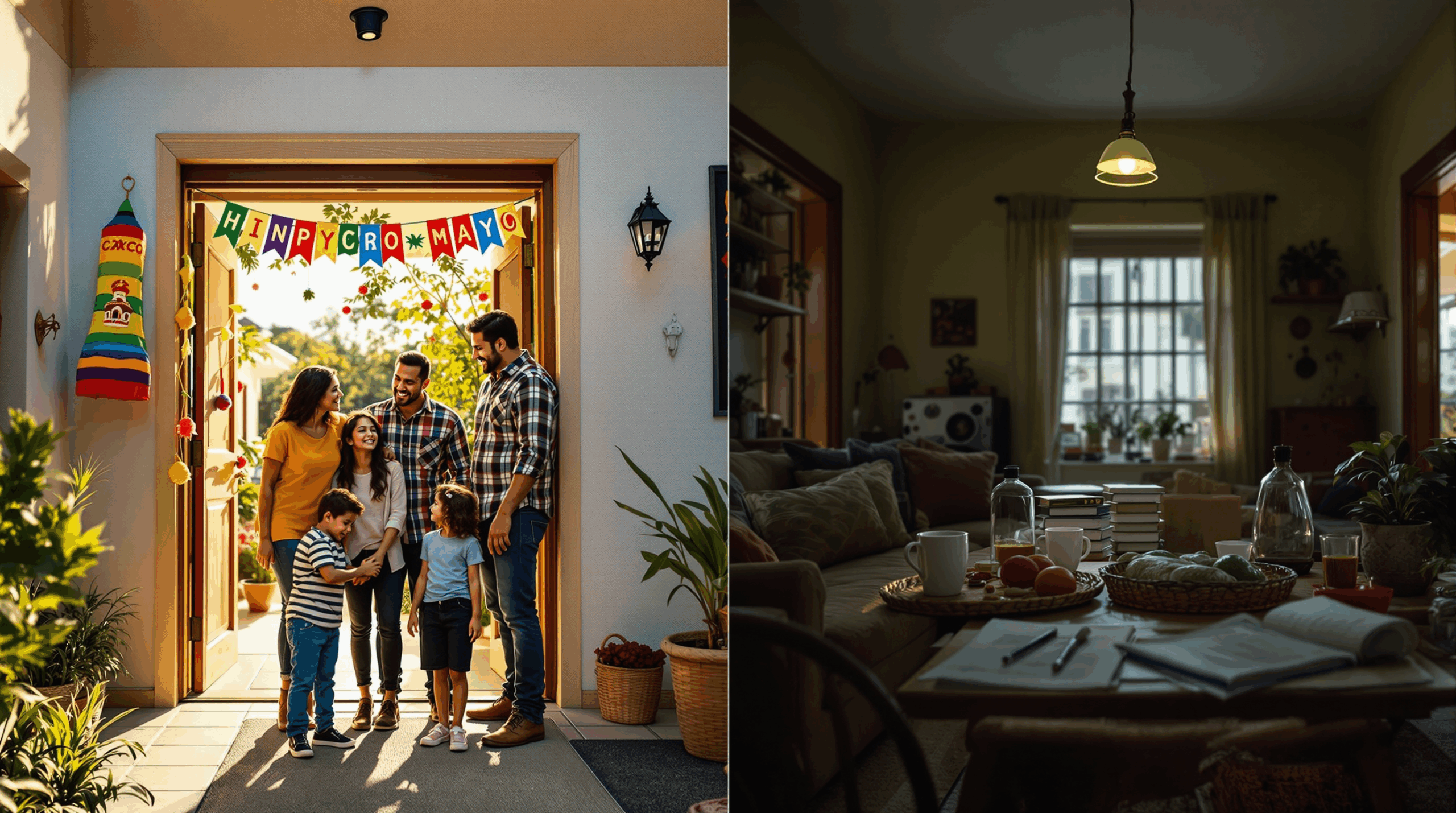
As the United States celebrates Cinco de Mayo, a holiday commemorating a significant victory in Mexican history, a compelling narrative is unfolding in the housing market. On one side of the border, Hispanic homeownership in the U.S. continues its ascent, reflecting growing economic power and community influence. Yet, south of the border, the story is markedly different, with Mexico facing soaring mortgage rates that present significant challenges for prospective homeowners. This article delves into the contrasting trends shaping real estate landscapes in both countries, examining the factors driving these shifts and what they mean for individuals and the broader economy.
This Cinco de Mayo, we explore the dynamics of Hispanic real estate in the U.S. and the stark contrast with Mexico’s mortgage market. Discover how economic conditions and cultural influences are shaping homeownership trends and understand the implications for the future.
Hispanic Homeownership on the Rise in the U.S.
The dream of homeownership is becoming a reality for more Hispanic families in the United States. Data reveals a consistent upward trend in Hispanic homeownership rates, demonstrating the community’s increasing economic strength and commitment to building long-term wealth. Several factors contribute to this growth:
- Entrepreneurship: Hispanic-owned businesses are booming, creating jobs and driving economic activity within communities.
- Demographic Trends: A relatively young population and strong family values contribute to a high demand for housing.
- Financial Literacy Initiatives: Programs aimed at improving financial literacy and access to credit are empowering more Hispanic families to navigate the home buying process successfully.
This Cinco de Mayo, it’s vital to recognize and celebrate these homeownership achievements, reflecting hard work and perseverance within the Hispanic community.
Mexico’s Mortgage Market: A Challenging Landscape
Across the border in Mexico, the real estate narrative is significantly different. Soaring mortgage rates are creating a challenging environment for prospective homeowners. Factors contributing to high rates include:
- Economic Instability: Fluctuations in the Mexican economy and currency can lead to higher interest rates on loans.
- Inflation: Rising inflation rates push mortgage rates upward as lenders seek to protect their investments.
- Limited Access to Credit: Stringent lending requirements and a lack of accessible credit options make it difficult for many Mexicans to secure mortgages.
These high mortgage rates impact not only individuals but also the overall Mexican real estate market, potentially hindering economic growth and stability. This is a stark contrast to the Hispanic real estate trends seen in the U.S.
The Intersection: How Mexico’s Economy Affects the U.S.
While the U.S. and Mexican housing markets operate independently, they are not entirely disconnected. Economic trends in Mexico can indirectly influence the U.S. market. For instance:
- Migration Patterns: Economic hardship in Mexico can lead to increased migration to the U.S., potentially impacting housing demand in certain regions.
- Remittances: Money sent home by Mexican workers in the U.S. can help families in Mexico afford housing or other essential needs, indirectly affecting the Mexican economy.
- Investment Flows: Cross-border investments in real estate can be influenced by the economic climate in both countries.
Building Hispanic Wealth Through Homeownership
The increase in Hispanic homeownership in the US is not just about owning a home; it’s about building wealth and securing a financial future. As Hispanic families invest in property, they are also investing in their communities and contributing to the overall economic vitality of the nation. Homeownership facilitates wealth building and provides stability for future generations.
- Equity Accumulation: As property values increase, homeowners build equity, which can be leveraged for future investments or financial needs.
- Credit Building: Responsible mortgage management can enhance credit scores, opening doors to other financial opportunities.
- Stability and Community: Homeownership fosters community bonds and provides a stable environment for raising families.
Conclusion
As we celebrate Cinco de Mayo, it’s important to recognize the contrasting realities in the housing markets of the U.S. and Mexico. While Hispanic homeownership thrives in the U.S., high mortgage rates present obstacles in Mexico. Understanding these dynamics is crucial for policymakers, lenders, and individuals seeking to navigate the complex world of real estate. Promoting homeownership, especially within the Hispanic community, requires addressing both economic and cultural factors.
Take action to secure your financial future. Whether you’re looking to buy a home or need expert financial advice, we’re here to help!
FAQ
Cinco de Mayo Hispanic homeownership: What’s the connection?
Cinco de Mayo is a celebration of Mexican heritage and culture. Observing the growth of Hispanic homeownership in the U.S. during this time highlights the community’s economic achievements and contributions to the housing market.
Mexico mortgage rates impact US housing: How does this work?
While the direct impact is limited, economic conditions in Mexico, including mortgage rates, can influence migration patterns and remittances, which can indirectly affect housing demand and economic activity in certain U.S. regions.
Hispanic home buying Cinco de Mayo trends: Are there seasonal patterns?
There’s no specific evidence that Cinco de Mayo directly influences home buying trends. However, cultural celebrations and community events around this time can reinforce a sense of belonging and pride, potentially motivating homeownership aspirations.
Mexico interest rates and US real estate: What’s the investment relationship?
Cross-border real estate investments can be influenced by the economic climate and interest rates in both countries, but this is more relevant to commercial real estate and high-net-worth individuals rather than typical homebuyers.
Cinco de Mayo real estate market Hispanic: Is there a specific market segment?
Yes, the Hispanic real estate market is a significant and growing segment in the U.S., with specific cultural preferences and community dynamics that real estate professionals are increasingly recognizing and catering to.
Hispanic homeownership rate increase: What are the key drivers?
Key drivers include rising entrepreneurship, a young and growing population, increasing financial literacy, and targeted lending programs aimed at expanding access to credit within the Hispanic community.
Mexico mortgage crisis US housing market: Could this trigger a crisis in the US?
It is highly unlikely. While there can be some indirect influence through migration and remittances, the US housing market is driven by domestic factors. High mortgage rates in Mexico are also not a new phenomenon.
Cinco de Mayo Hispanic homeownership statistics: Where can I find reliable data?
Reliable sources include the U.S. Census Bureau, the National Association of Hispanic Real Estate Professionals (NAHREP), and the Urban Institute.
Buying a home Cinco de Mayo Hispanic culture: Are there cultural considerations?
Yes, cultural values such as family unity, community ties, and a long-term investment perspective can influence home buying decisions within the Hispanic community.
Mexico mortgage rates affecting expats: Is it difficult to buy property?
Yes, high mortgage rates in Mexico can make it more challenging for expats to buy property, especially if they are relying on local financing options. Many expats choose to pay cash or seek financing from their home countries.