Tariffs Threaten Renovations; Private Equity & AI Reshape Mortgages
The landscape of homeownership and mortgage lending is undergoing a seismic shift. Rising tariffs are casting a shadow over the affordability of home renovations, potentially derailing projects for countless homeowners. Simultaneously, private equity firms are increasingly shaping the mortgage industry, while artificial intelligence (AI) is poised to revolutionize lending processes, presenting both opportunities and challenges. This evolving dynamic demands a closer look at how these forces are converging to impact homeowners, lenders, and the broader real estate market.
In this report, we’ll delve into the potential consequences of tariffs on renovation costs, explore the growing influence of private equity in the mortgage sector, and examine the transformative role of AI in mortgage underwriting and servicing. We’ll provide actionable insights and analysis to help you navigate these complex trends and make informed decisions in today’s rapidly changing environment.
The Looming Threat of Tariffs on Home Renovations
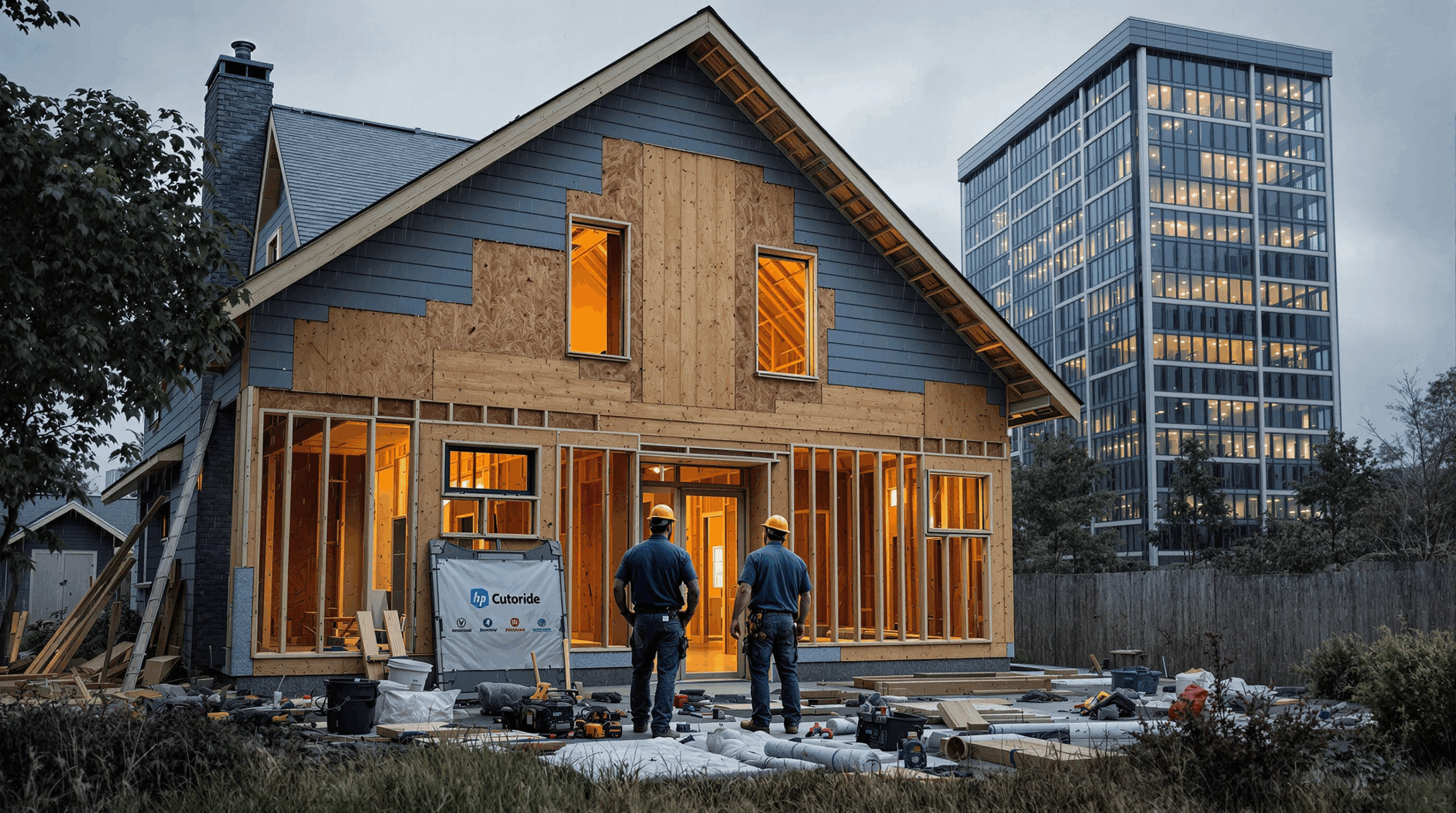
Home renovations are a significant driver of economic activity and a crucial means for homeowners to improve their living spaces and increase property values. However, the imposition of tariffs on imported building materials threatens to disrupt this market. As reported by Zonda, a quarter of large renovation projects could be scrapped or scaled back due to tariffs making them cost-prohibitive. The increased cost of materials like steel, lumber, and aluminum directly impacts renovation budgets, forcing homeowners to make difficult choices about the scope and feasibility of their projects. Tariffs and home improvement projects are becoming increasingly intertwined.
The consequences extend beyond individual homeowners. Contractors and construction companies may face reduced demand, leading to job losses and economic slowdown. Furthermore, the housing market could see a decrease in property values if homeowners are unable to invest in necessary upgrades and maintenance. Understanding the renovation material price increases due to tariffs is crucial for planning home improvement projects.
Private Equity’s Growing Footprint in the Mortgage Industry
Private equity firms are making significant inroads into the mortgage industry, bringing capital, innovation, and a focus on efficiency. This trend is reshaping the competitive landscape and influencing how mortgages are originated, serviced, and securitized. These firms are investing in mortgage companies, technology platforms, and servicing operations, seeking to capitalize on opportunities created by market volatility and technological advancements.
According to reports from the California MBA’s Mortgage Innovators Conference, leaders from Redwood Trust, Andromeda, and FundingShield emphasized capital’s growing role in innovation, risk management, and consumer experience. Private equity’s involvement can lead to increased efficiency and innovation, but it also raises concerns about potential risks, such as aggressive lending practices and a focus on short-term profits over long-term stability. Monitoring private equity mortgage market trends is essential for understanding market dynamics.
Image Source: Guggenheim Investments
AI: The Next Frontier in Mortgage Lending
Artificial intelligence is rapidly transforming the mortgage industry, offering the potential to streamline processes, reduce costs, and improve the borrower experience. AI-powered tools are being used for a wide range of applications, from automated underwriting and fraud detection to personalized customer service and risk management. The use of AI in mortgages presents significant opportunities, but it also raises important questions about data privacy, algorithmic bias, and the future of human jobs in the industry. The future of mortgage industry with AI is rapidly approaching.
As emphasized at the California MBA’s Mortgage Innovators Conference, strategic implementation, regulatory alignment, and customer-focused tech are crucial for staying competitive in a rapidly evolving market. Lenders must carefully consider the ethical and legal implications of AI and ensure that these technologies are used responsibly and transparently. Addressing AI mortgage underwriting challenges and biases is crucial for fair lending practices.
- Streamlined Underwriting: AI can automate many of the manual tasks involved in mortgage underwriting, such as verifying income and assets, assessing credit risk, and reviewing loan documentation.
- Enhanced Fraud Detection: AI algorithms can analyze large datasets to identify patterns and anomalies that may indicate fraudulent activity, helping lenders to mitigate risk.
- Personalized Customer Service: AI-powered chatbots and virtual assistants can provide borrowers with instant answers to their questions and guide them through the mortgage application process.
Navigating the Changing Landscape
The convergence of tariffs, private equity, and AI is creating a dynamic and complex environment for the mortgage and real estate industries. To navigate this landscape effectively, stakeholders must stay informed, adapt to change, and embrace innovation. Homeowners should carefully consider the potential impact of tariffs on renovation costs and explore alternative financing options. Lenders should evaluate the risks and opportunities presented by private equity investments and prioritize responsible AI implementation. By proactively addressing these challenges, we can ensure a more resilient and sustainable housing market for the future.
The mortgage industry is at a crossroads. Embracing these changes and adapting proactively will be key to thriving in the years to come. Staying informed and seeking expert advice will be more critical than ever.
Schedule Your Free Consultation
FAQ
How do tariffs impact on home renovation costs?
Tariffs increase the cost of imported building materials like steel, lumber, and aluminum, directly raising renovation expenses and potentially causing project delays or cancellations.
What are the private equity mortgage market trends?
Private equity firms are increasingly investing in mortgage companies, technology platforms, and servicing operations, bringing capital and innovation to the industry, but also raising concerns about risk.
What are some AI mortgage underwriting challenges?
Challenges include ensuring data privacy, avoiding algorithmic bias, and addressing the potential displacement of human jobs in the mortgage industry.
How can I address renovation material price increases due to tariffs?
Consider exploring alternative, locally sourced materials, scaling down project scope, or delaying renovations until market conditions improve.
What is the future of mortgage industry with AI?
The future includes streamlined underwriting, enhanced fraud detection, personalized customer service, and improved risk management, but requires careful consideration of ethical and legal implications.
How is private equity investment in mortgage companies affecting consumers?
It can lead to increased efficiency and innovation, potentially benefiting consumers through better products and services, but may also involve higher risk-taking.
What are the potential impacts of tariffs and home improvement project delays on property values?
Delays in necessary upgrades and maintenance can lead to decreased property values over time.
How can AI bias in mortgage approvals be prevented?
By using diverse datasets, regularly auditing algorithms, and ensuring transparency in AI decision-making processes.
How is mortgage market disruption by private equity affecting traditional lenders?
Traditional lenders are facing increased competition and pressure to innovate and improve efficiency.
What can homeowners do about renovation affordability amid tariff concerns?
Homeowners should explore financing options, compare quotes from multiple contractors, and consider phasing their renovations to manage costs effectively.