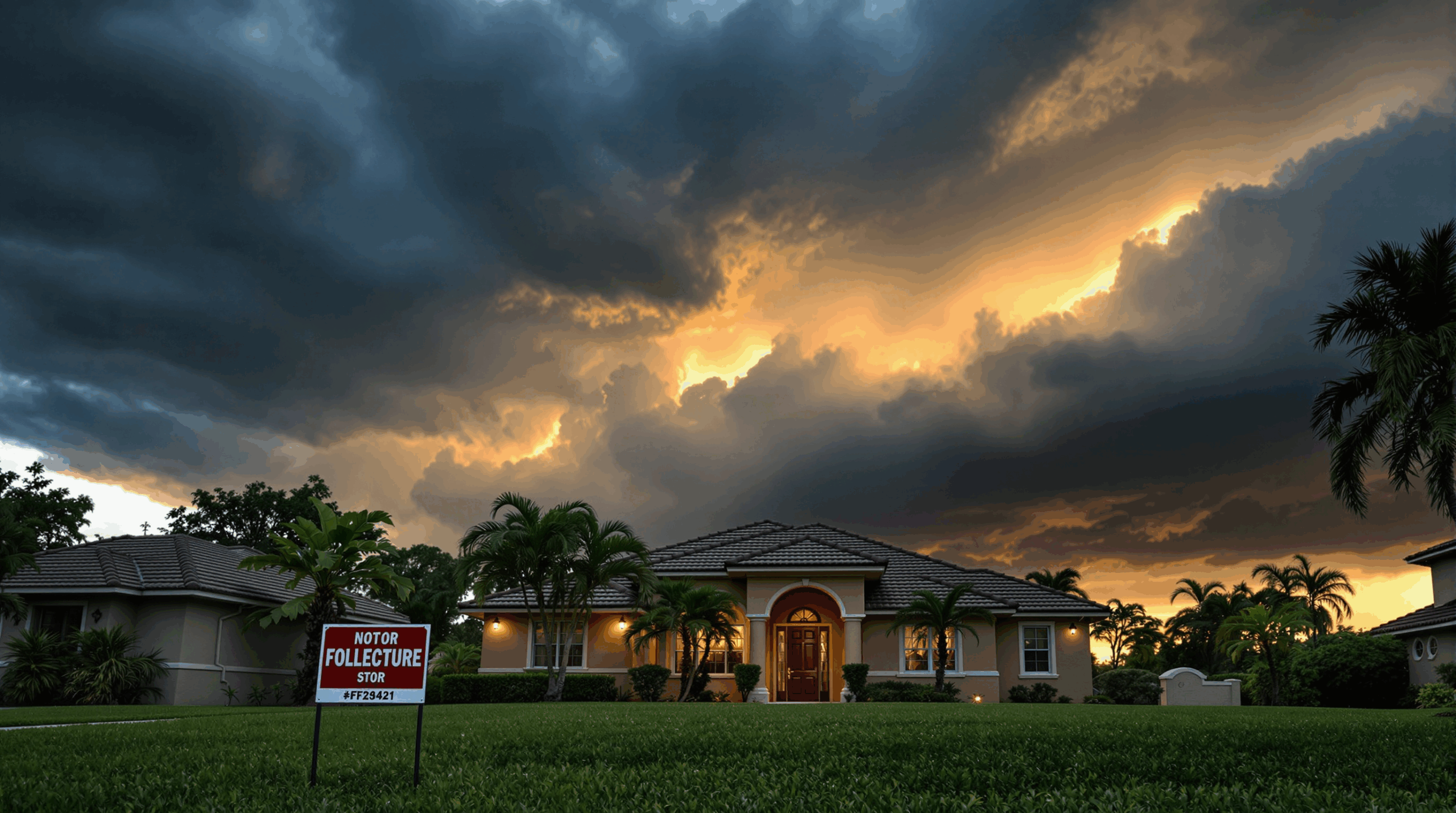
Climate Change Risks: Rising Insurance Costs Impact Florida Mortgages
Florida’s sunny beaches and vibrant real estate market have long attracted homeowners and investors. However, a growing threat looms large: climate change. As sea levels rise and extreme weather events become more frequent and intense, the cost of insuring properties in Florida is skyrocketing. This surge in insurance premiums is significantly impacting the affordability of mortgages, creating challenges for both lenders and borrowers. The confluence of increasing climate risk and its effect on insurance is reshaping the Florida housing market, forcing a reassessment of long-term investment strategies and homeowner financial planning.
This article delves into the escalating crisis of rising insurance costs in Florida, its direct impact on mortgages, and what this means for the future of the state’s real estate landscape. We’ll explore the factors driving these changes, the challenges they present, and potential solutions for navigating this evolving climate risk environment. Understanding these dynamics is crucial for anyone considering buying, selling, or investing in Florida real estate.
The Escalating Florida Home Insurance Crisis
Florida’s home insurance market is facing a perfect storm of challenges. Increased frequency and intensity of hurricanes and tropical storms, coupled with rising sea levels, are leading to higher claims and greater financial risk for insurance companies. Many insurers have either reduced their coverage in the state or completely withdrawn, leaving homeowners with fewer options and significantly higher premiums. This situation is further exacerbated by litigation trends and reinsurance costs, pushing the average cost of home insurance in Florida far above the national average. According to recent reports, Florida homeowners pay nearly three times the national average for property insurance.
The lack of affordable insurance options is particularly acute in coastal areas, where the risk of flooding and storm damage is highest. Homeowners are facing difficult choices: paying exorbitant premiums, going without adequate coverage, or selling their properties altogether. This crisis is not only impacting current homeowners but also deterring potential buyers, creating downward pressure on property values in some areas.
Impact on Florida Mortgages and Lending Practices
The escalating insurance costs are directly influencing the mortgage industry in Florida. Lenders are becoming increasingly cautious about providing mortgages in high-risk areas, and they are requiring higher down payments and stricter underwriting standards to mitigate their financial exposure. One significant concern is the increased debt-to-income ratio for borrowers, as a larger portion of their monthly income goes toward insurance premiums, reducing their ability to afford mortgage payments. This issue disproportionately affects first-time homebuyers and low- to moderate-income families, hindering their ability to achieve homeownership.
Moreover, the rising cost of insurance can lead to increased rates of mortgage default. If homeowners are unable to keep up with both their mortgage payments and insurance premiums, they may face foreclosure. This scenario not only harms individual homeowners but also poses a risk to the broader financial system, particularly if large numbers of mortgages become delinquent.
Navigating Climate Risk and Seeking Solutions
Addressing the challenges posed by climate change and rising insurance costs requires a multi-faceted approach. Mitigation efforts, such as reducing carbon emissions and investing in resilient infrastructure, are essential for minimizing future climate risks. At the same time, adaptation strategies are needed to protect existing properties and communities.
- Strengthening Building Codes: Implementing stricter building codes that require new construction to be more resilient to wind and flood damage can reduce future insurance claims.
- Investing in Flood Control: Building seawalls, restoring wetlands, and improving drainage systems can help protect coastal communities from rising sea levels and storm surges.
- Promoting Community Rating System (CRS): Encouraging communities to participate in the FEMA’s Community Rating System can provide flood insurance premium discounts to property owners based on community flood mitigation activities.
- Exploring Alternative Insurance Solutions: Investigating options such as state-backed insurance programs, parametric insurance, and microinsurance can help fill the coverage gaps and make insurance more affordable.
- Climate Risk Assessments: Performing thorough climate risk assessments can help lenders and borrowers better understand the potential impacts of climate change on property values and insurance costs.
Furthermore, educating homeowners about climate risks and empowering them to take proactive measures to protect their properties is crucial. This includes providing resources for home retrofitting, floodproofing, and disaster preparedness.
The Future of Florida Real Estate
The convergence of climate change and rising insurance costs is undeniably reshaping the future of Florida real estate. While the challenges are significant, they also present opportunities for innovation and adaptation. By embracing sustainable development practices, investing in resilient infrastructure, and exploring innovative insurance solutions, Florida can mitigate the impacts of climate change and maintain a vibrant and sustainable housing market. However, failure to address these issues proactively could lead to decreased property values, increased mortgage defaults, and a decline in the overall economic stability of the state. It’s clear that understanding and addressing climate change in Florida is no longer optional, it’s essential for the future of the state.
Are you concerned about the impact of rising insurance costs on your Florida mortgage or potential home purchase? Schedule your free consultation today to discuss your options and navigate this challenging landscape.
Schedule Your Free Consultation
FAQ: Climate Change and Florida Mortgages
How is climate change impacting Florida mortgages?
Climate change is leading to increased frequency and intensity of extreme weather events, such as hurricanes and flooding. This elevates the risk of property damage, causing insurance companies to raise premiums significantly or even withdraw from the market. This affects mortgage affordability, as homeowners need to allocate a larger portion of their income to insurance costs. Lenders are also becoming more cautious, potentially increasing down payment requirements or denying mortgages in high-risk areas. In effect impacting Florida real estate climate change risks.
What can I do about rising insurance rates on my Florida mortgage?
Explore various insurance options, including smaller regional insurers, state-backed programs, or parametric insurance. Consider increasing your deductible to lower your premium. Implement mitigation measures to reduce risk, such as fortifying your home against wind and flood damage. Contact your elected officials to advocate for policy changes that address the insurance crisis and the climate change impact on Florida insurance
Could climate change lead to mortgage denial in Florida?
Yes, climate change can indirectly contribute to mortgage denial. As insurance costs rise, a borrower’s debt-to-income ratio increases, making it more difficult to qualify for a mortgage. Additionally, lenders may deny mortgages for properties in high-risk areas due to concerns about potential damage and the financial viability of insuring the property. The Florida mortgage climate change risk is a real factor lenders consider.
How does sea level rise affect Florida mortgages?
Sea level rise increases the risk of flooding, especially during high tides and storms. This increased risk leads to higher flood insurance premiums and potential property damage, making it more difficult for homeowners to afford their mortgages. Lenders may also be hesitant to finance properties in areas vulnerable to sea level rise, impacting property values and overall mortgage affordability.
What is the long-term impact of climate change on Florida property values?
In the long term, climate change could negatively impact Florida property values, particularly in coastal areas. As risks associated with flooding, hurricanes, and sea level rise become more pronounced, demand for properties in these areas may decline. This could lead to a decrease in property values and an increase in mortgage defaults, affecting the broader real estate market and the Florida economy. These points highlight the real climate change impact on mortgages.