* **Inventory:** Florida’s housing inventory remains relatively low compared to historical averages, although it’s been increasing year-over-year in many metro areas. Some markets have seen double-digit percentage increases in active listings.
* **Median Home Prices:** While prices surged dramatically in 2021-2022, appreciation has cooled. Some areas are experiencing price corrections or stabilization. The statewide median sales price for single-family homes has shown some fluctuations but remains elevated compared to pre-pandemic levels.
* **Interest Rates:** Mortgage interest rates are significantly higher than in the recent past, impacting affordability and buyer demand. This has led to a shift towards a more balanced market.
* **Days on Market:** Homes are staying on the market longer than they were a year or two ago, indicating a slower sales pace.
* **Sales Volume:** Closed sales have decreased year-over-year in many regions, reflecting the reduced buyer activity due to higher rates and prices.
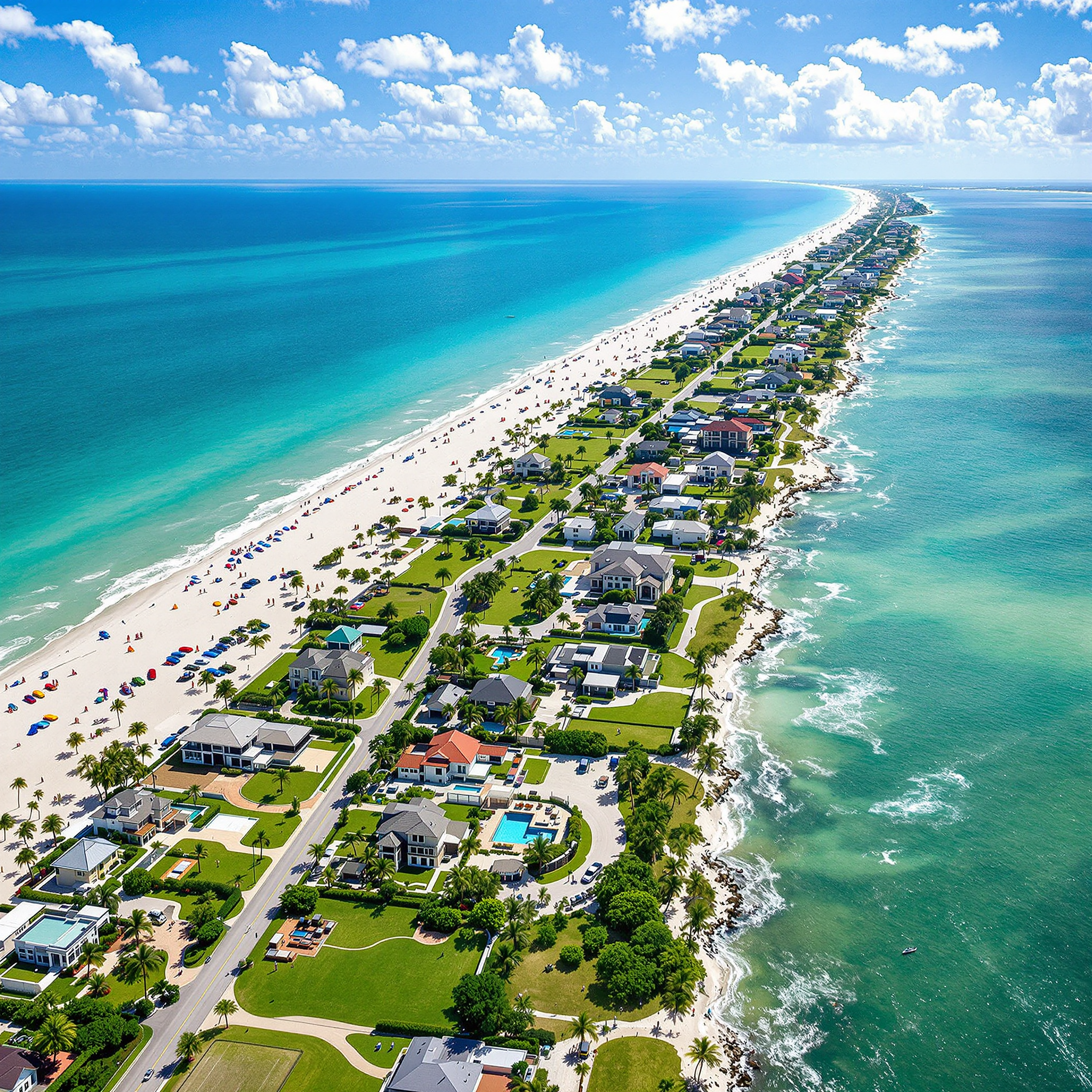
* **Regional Variations:** The Florida real estate market is highly localized. Coastal areas and popular destinations may exhibit different trends than inland or less-developed regions. Demand and pricing vary significantly across different counties and cities.
* **New Construction:** New construction is adding to the housing supply in some areas, potentially impacting resale values.
* **Migration:** Florida’s population growth continues, but may be slowing compared to the peak of pandemic-era migration. In-migration still supports overall demand, but it is not as robust as it once was.