Blog

Blog

12 May, 2025

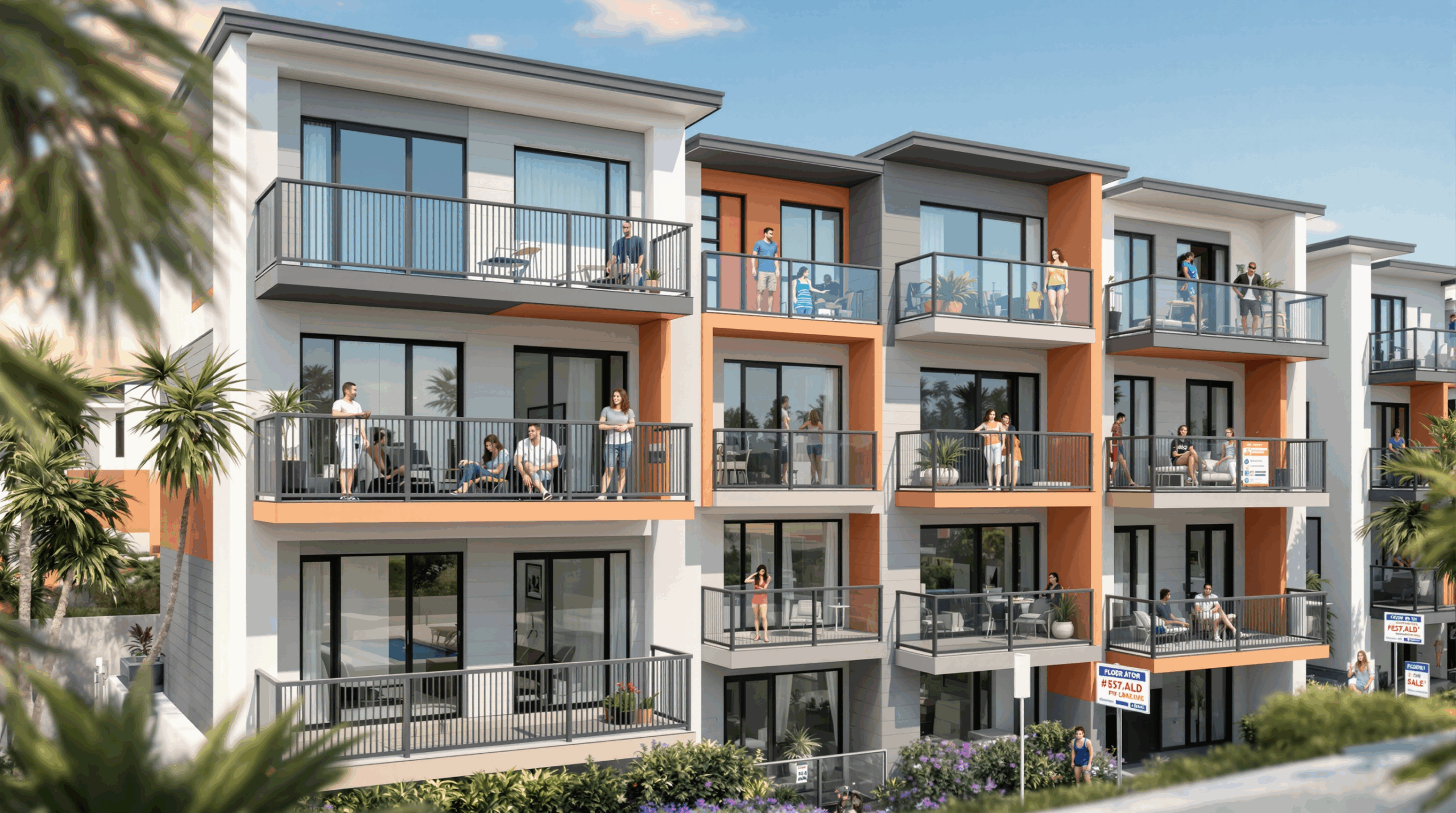
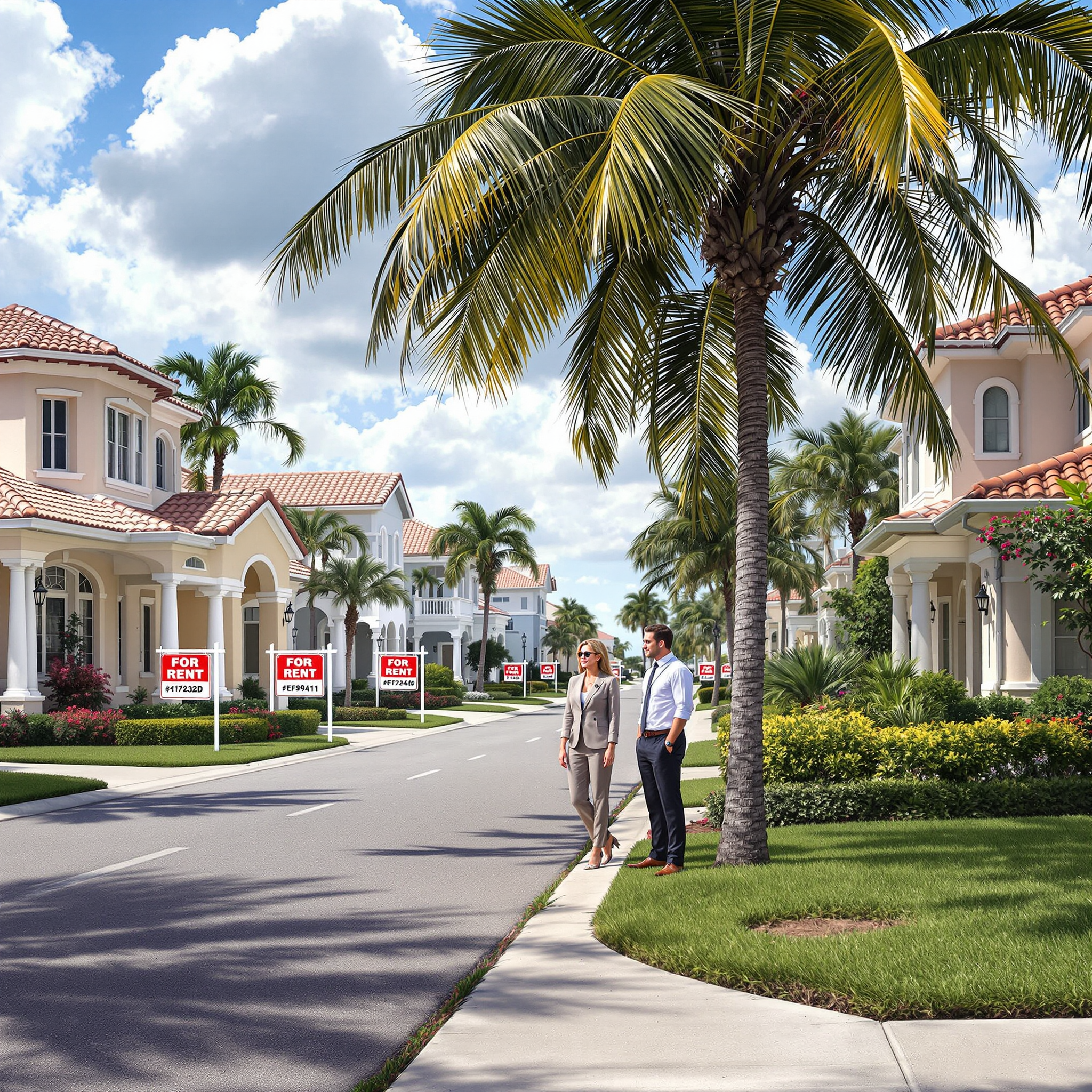
Florida rental property management to maximize investment returns hinges on key strategies:

* **Vacancy Rates:** Florida’s rental market is competitive; tracking local vacancy rates (e.g., specific metro areas like Tampa, Orlando, Miami) is crucial. Vacancy rates can range from 3-7% depending on location and property type.
* **Rent Increases:** Strategically adjust rent annually, considering market trends and property improvements. Average rent increases vary, but aim for increases aligning with CPI and market demand.
* **Property Maintenance:** Preventative maintenance minimizes costly repairs and tenant turnover. Allocate approximately 1-3% of rental income annually for maintenance.
* **Tenant Screening:** Rigorous tenant screening reduces the risk of evictions and property damage. Utilize credit checks, background checks, and rental history verification. Average cost of eviction in Florida can range from $1,500-$4,000.
* **Property Management Fees:** Professional property management fees typically range from 8-12% of monthly rent. Evaluate services offered against costs to ensure ROI.
* **Tax Implications:** Understand Florida’s property tax laws and available deductions for rental properties.
* **Legal Compliance:** Stay updated on Florida’s landlord-tenant laws to avoid legal issues.
* **Insurance Costs:** Obtain adequate landlord insurance coverage, which can impact profitability. Average landlord insurance policy cost can vary between $1,000 to $3,000 per year depending on coverage.
* **ROI Calculation:** Regularly calculate ROI using metrics like Cap Rate (Net Operating Income / Property Value) and Cash-on-Cash Return to evaluate investment performance.
* **Technology Adoption:** Leverage property management software for efficient operations, tenant communication, and financial tracking.


12 May, 2025

Nearly a thousand of us head to Manhattan in less than a week for the MBA’s Secondary Conference. In 2025 Q1, the median asking rent in New York City registered at $3,397, an increase of $179, or 5.6%, compared with a year ago. Sounds appropriate, given wage growth. In other rental news, the Missouri legislature passed a bill allowing landlords to discriminate against low-income renters. The Missouri Senate gave final approval to House Bill 595 which would prevent cities from enacting certain renter protections. This Bill was prompted by local legislation in some communities, most notably Kansas City, which bans landlords from denying leases to renters on the grounds that they receive housing assistance. Bill 595 would prevent cities from banning that practice, sometimes called source-of-income discrimination. One of the most common types of housing assistance is federal Section 8 housing vouchers, which allow low-income renters to have a portion of their rent covered by the government. State and federal government policy will be one of the topics on today’s episode of Now Next Later at 10AM PT. Sasha and Jeremy sit down with Taylor Stork, President of the Community Home Lenders of America, to reflect on CHLA’s recent Spring Fly-in in Washington, D.C., major policy discussions, key industry concerns, and how mortgage professionals can remain involved in shaping the future of lending. (Today’s podcast can be found here and Sponsored by TRUE and its Mortgage Operations Service (MOS) AI background worker, which transforms borrower documents into instant, trustworthy data for real-time decisioning. TRUE helps lenders accelerate decisions, cut costs, and deliver superior borrower experience, all without a $100M tech budget. Hear an interview with Cotality’s Selma Hepp on the complex dynamics of the 2025 spring housing market, offering a nuanced view of the pressures and opportunities shaping today’s buyers, sellers, and lenders.)

11 May, 2025

– Florida real estate is experiencing a market shift, demanding strategic investment approaches.
– Population growth continues to drive demand, particularly in specific regions.
– Interest rate hikes are impacting affordability and sales volume.
– Certain metro areas, like Tampa, Orlando, and Jacksonville, are projected to see continued growth, but at a slower pace than previous years.
– South Florida (Miami-Fort Lauderdale) remains a high-demand, high-cost market with strong international appeal.
– Investment opportunities exist in both residential (single-family, condos) and commercial (retail, industrial) sectors.
– Look for value-add opportunities: properties needing renovation or repositioning in growing areas.
– Expect longer marketing times and more price negotiations compared to recent years.
– Rental market remains strong, but vacancy rates are gradually increasing in some areas.
– Monitor local economic indicators and job growth to identify promising investment zones.
– Expert forecasts suggest a balanced market in some regions, while others may experience slight price corrections.
– Consider the impact of insurance costs and rising property taxes on investment returns.

10 May, 2025

Professional real estate photography significantly impacts sales speed in Florida’s competitive market. Homes with professional photos sell 32% faster and for 3-15% more (source: RISMedia, NAR). High-quality images are crucial as 95% of buyers use online listings during their home search (NAR). Key elements include optimal lighting to combat Florida’s intense sun, showcasing outdoor spaces like pools and patios (important for Florida buyers), and utilizing drone photography to highlight property size and location. Twilight photography emphasizes curb appeal. Editing is essential for brightness, color correction, and removing distractions (clutter). Homes with more than 20 photos have the best chance of capturing buyer attention. Staging prior to the photoshoot is recommended; declutter, depersonalize, and highlight key features (water views, architectural details).

9 May, 2025

Florida’s real estate market is experiencing a shift.

* **Inventory:** Rising, but still below pre-pandemic levels.
* **Interest Rates:** Elevated, impacting affordability and buyer demand.
* **Price Growth:** Slowing significantly; some markets seeing price declines.
* **Sales Volume:** Down year-over-year.
* **Days on Market:** Increasing, indicating less urgency.
* **Migration:** Continues to be a factor, but net migration has slowed down slightly.
* **Foreclosure rates:** remain relatively low compared to historical averages.
* **Median Sales Price (Statewide, Single-Family Homes):** Fluctuating, requiring close monitoring of local markets.
* **Rental Market:** Showing signs of cooling in some areas, adding potential pressure on investor-owned properties.

9 May, 2025

Here’s something that our Fed can’t do anything about, inflation-wise: coconut prices have doubled due to extreme weather events. (More on weather and climate below.) The Federal Reserve doesn’t control U.S. property taxes either, and they’ve jumped an average of 10.4 percent between 2021 and 2023, with wide variations across the 50 largest metro areas, from just $1,091 in Birmingham to nearly $10,000 in New York City, according to a new LendingTree analysis. Homeowners now pay a median of $2,969 annually, with the sharpest increases seen in Tampa, Indianapolis, and Dallas, while Pittsburgh, Philadelphia, and Milwaukee saw the smallest hikes. Conference admittance prices are also on the rise. “Rob, are you hearing that non-MBA groups are giving out comp passes to their events because of the expense and lack of interest?” No comment. You’re better asking the organizations yourself. But yes, in general, many are back in the cost-cutting mode again, and the first to go are non-MBA, regional, and state events. Choose wisely! (Today’s podcast can be found here and this week’s are sponsored by HomeEQ, the fully digital HELOC from Arc Home, which empowers brokers to quickly provide borrowers with easy access to their home equity. Brokers can benefit from competitive compensation, along with comprehensive training and a complete marketing plan designed to help them re-engage former clients and grow their business. Hear an interview with Jeremy Potter and Paul Gigliotti from the Mortgage Innovators Conference on AI’s ultimate use-case for the industry and what it will free people up to do.)

8 May, 2025

1. **Pre-Approval is Key:** Secure mortgage pre-approval before house hunting; typically requires credit check, income verification, and asset documentation.

2. **Florida Market Dynamics:** Median home price in Florida (August 2024) ~$420,000; varies significantly by region (e.g., Miami vs. Tallahassee). Inventory levels fluctuate; monitor Days on Market (DOM) for market trends.

3. **Real Estate Agent Importance:** Consider hiring a Florida-licensed real estate agent; they provide market expertise, negotiation skills, and guidance through complex paperwork.

4. **Property Search:** Utilize online platforms (e.g., Zillow, Realtor.com, MLS) and agent networks to find suitable properties; prioritize needs and budget.

5. **Making an Offer:** Submit a written offer with earnest money deposit (typically 1-3% of purchase price); subject to inspections and appraisal contingencies.

6. **Inspections are Crucial:** Conduct thorough property inspections (e.g., general home, wind mitigation, pest control); identify potential issues requiring repairs or price negotiation. Florida homes near the coast often require specific wind mitigation measures.

7. **Appraisal:** Lender orders an appraisal to determine the property’s fair market value; if the appraisal is lower than the purchase price, renegotiation or financing adjustments are required.

8. **Financing:** Finalize mortgage approval; review loan terms (interest rate, APR, closing costs); secure homeowner’s insurance and flood insurance if applicable.

9. **Closing:** Conduct a final walkthrough; sign closing documents; transfer funds; receive the deed to the property. Closing costs typically range from 2-5% of the loan amount.

8 May, 2025

“Why did the homeowner take so long in remodeling his home? He had trouble with da siding.” There are LOs, or correspondent investors, who have spent months or years building up their renovation referral book of business. I am sure that they saw this coming with the Trump tariff policies: A quarter of large renovation projects could be scrapped or considerably scaled back because tariffs make them cost-prohibitive, according to new research from Zonda. Meanwhile, Robbie Chrisman reports that Day #1 of the California MBA’s Mortgage Innovators Conference in Huntington Beach delivered a deep dive into how private equity is shaping the future of the mortgage industry, with leaders from Redwood Trust, Andromeda, and FundingShield highlighting capital’s growing role in innovation, risk management, and consumer experience. The afternoon pivoted to the power and pitfalls of AI, as panels and tech demos explored cutting-edge tools transforming lending operations, from compliance automation to borrower engagement. Sessions emphasized the urgent need for strategic implementation, regulatory alignment, and customer-focused tech to stay competitive in a rapidly evolving market, setting the tone for a high-impact, tech-forward year ahead. (Today’s podcast can be found here and this week’s are sponsored by HomeEQ, the fully digital HELOC from Arc Home, which empowers brokers to quickly provide borrowers with easy access to their home equity. Brokers can benefit from competitive compensation, along with comprehensive training and a complete marketing plan designed to help them re-engage former clients and grow their business. Hear an interview with Aidium’s Spencer Dusebout on how AI is transforming the mortgage industry, from redefining lead scoring and boosting CRM adoption to supporting, not replacing, loan officers, with a spotlight on the launch of innovative “Agents” designed to streamline workflows and enhance borrower engagement.)

7 May, 2025

* **Florida’s Median Home Price (2024):** Around \$400,000. (varies widely by region)
* **Income Required for Median Home:** Roughly \$90,000 – \$120,000 annually (assuming 20% down and manageable debt).
* **High Demand/Limited Inventory:** Drives up prices, especially in coastal areas.
* **Property Taxes & Insurance:** Significantly higher than national averages, impacting affordability. Homeowners insurance premiums in Florida are, on average, three times higher than the national average.
* **Down Payment:** 20% is ideal, but FHA loans allow as low as 3.5% (with PMI).
* **Debt-to-Income Ratio (DTI):** Lenders typically prefer DTI below 43%, including mortgage payments, property taxes, insurance, and other debts.
* **Hidden Costs:** Inspections, closing costs (2-5% of home price), and potential HOA fees must be factored in.
* **Alternative Locations:** Consider inland or less popular areas for affordability.
* **First-Time Homebuyer Programs:** State and local programs can provide assistance with down payments and closing costs.

7 May, 2025

Most good loan originators are keenly aware of demographics in their area. Aren’t you tired of talking about a lack of inventory and builders’ supply lagging demand? Builders report that the number of unsold homes is the highest since 2009, and in Sunbelt MSAs, new homes are facing a lot of competition from existing homes coming on to the market. AIE writes that active listings are up 34 percent year-over-year. Per the Wall Street Journal, homebuilders are increasing the use of incentives to entice buyers. Meanwhile, for those U.S. citizens who enjoy living in cramped quarters and who are tired of being squeezed by sky-high rents, city dwellers are turning to “micro-apartments” (ultra-compact units under 441 square feet) for major savings, often slashing rent by half in pricey markets like San Francisco and D.C. Western metros are leading the charge, with micro-units dominating new builds in cities like Seattle and Boston, while places like Reno and Minneapolis are quickly catching up. Meanwhile, the South and Mountain West are holding out, with cities like Enterprise, NV, offering rentals nearly twice the size of their coastal counterparts. (Today’s podcast can be found here and this week’s are sponsored by HomeEQ, the fully digital HELOC from Arc Home, which empowers brokers to quickly provide borrowers with easy access to their home equity. Brokers can benefit from competitive compensation, along with comprehensive training and a complete marketing plan designed to help them re-engage former clients and grow their business. Hear an interview with Bob Simpson on the evolving anti-fraud landscape, emerging threats in 2025, best practices for risk and anti-money laundering compliance, and some unforgettable stories from the front lines fighting fraud.)