While plenty of uncertainty remains over the finer points of Wednesday afternoon’s tariff announcement, markets have heard enough to brace for impact on global trade. That “bracing” is being traded in the form of a flight to safety (sell stocks, buy bonds) that began yesterday and continued overnight. 10yr yields were already close to 4.0% before this morning’s weaker ISM Services data, and have been inching closer since then.
That said, the additional “inching” isn’t really in response to ISM. Almost all of today’s trading looks like an afterthought compared to yesterday’s initial tariff reaction and the early overnight trading.
Blog
– Florida’s median home price in 2024 fluctuates around $400,000 (varies significantly by region).
– Expect closing costs of 2-5% of the purchase price.
– Popular regions include South Florida (Miami, Fort Lauderdale), Central Florida (Orlando), and the Gulf Coast (Tampa, Sarasota).
– Property taxes are a key consideration, averaging around 0.98% of the assessed property value annually, with potential homestead exemptions.
– Understand Florida’s unique insurance requirements: windstorm and flood insurance are often mandatory and can significantly impact affordability.
– Florida is a disclosure state; sellers must disclose known defects, but buyers still need thorough inspections.
– The real estate market is competitive; pre-approval for a mortgage is crucial.
– Consider homeowner’s association (HOA) fees and restrictions if buying in a planned community.
– “As-is” contracts are common, necessitating diligent due diligence.
– Florida has no state income tax, potentially offsetting higher property taxes or insurance.
This morning’s ADP Employment data was the only potential market mover for bonds, at least as far as scheduled data is concerned. Despite coming out a bit higher than expected, bonds opted to maintain the rally trend that had been intact since the start of European trading overnight. That resulted in moderate gains at the start of the 9:30am NYSE open, but things changed from there. Stocks bounced higher and brough bond yields along for the ride. The net effect is modest weakness, and no major change to the sideways grind in the bigger picture. Things could change for better or worse this afternoon after the tariff announcement expected at 4pm ET.
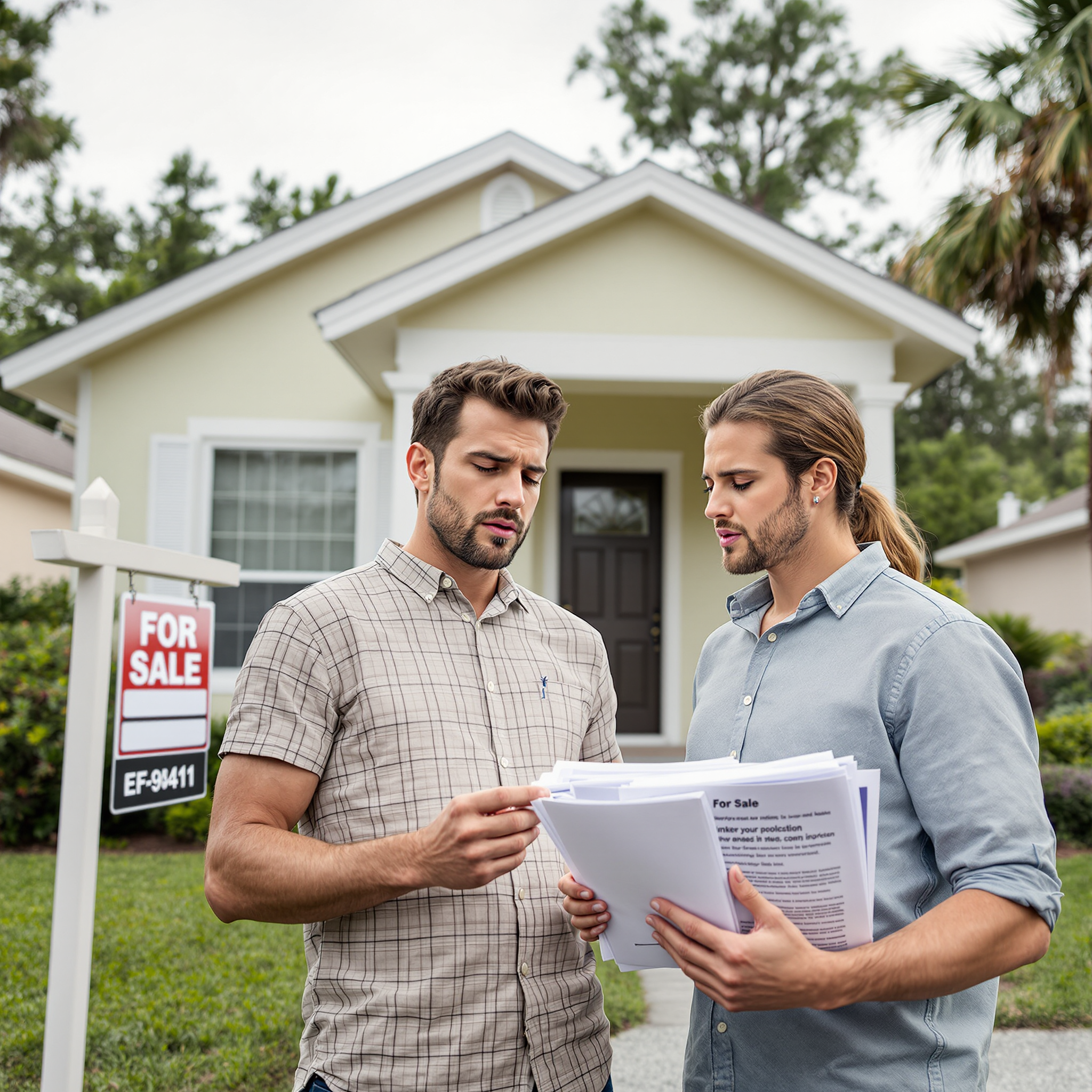
Florida’s first-time homebuyers have access to state and local programs offering down payment and closing cost assistance. Florida Housing Finance Corporation (Florida Housing) provides various programs, including the Florida First-Time Homebuyer Program with fixed-rate mortgage options. Down payment assistance can range from $10,000 to the maximum allowed by the loan type. Income and purchase price limits apply, varying by county. Borrowers typically need a minimum credit score of 620-640 depending on the loan type. Homebuyer education courses are often required. Property eligibility is usually restricted to primary residences. Some counties and cities offer additional, locally funded assistance programs on top of state options. These may include grants or second mortgages.
* **Limited Funds:** Many first-time Florida homebuyers struggle with down payments and closing costs. The average down payment is 7% of the purchase price.
* **Florida Housing Market:** Florida’s housing market is competitive, with rising home prices; median price for single-family existing homes was $420,000 as of October 2023.
* **Credit Score Importance:** A low credit score impacts mortgage rates. Aim for a score of 740 or higher for the best rates.
* **Hidden Costs:** Overlooking hidden costs like property taxes, insurance (especially flood insurance), and HOA fees can strain budgets. Florida’s average homeowner’s insurance premium is significantly higher than the national average, driven by hurricane risk.
* **Inspection is Key:** Skipping a thorough home inspection can lead to costly repairs down the line.
* **Budgeting:** Overestimating affordability is a common mistake. Experts recommend staying within a comfortable debt-to-income ratio.
* **Expert Advice:** Seeking guidance from real estate agents, mortgage brokers, and financial advisors is crucial for navigating the process.
* **Inventory:** Florida’s housing inventory remains constrained but is rising in many markets compared to 2022-2023.
* **Interest Rates:** Mortgage rates are elevated, impacting affordability and cooling buyer demand. As of late 2024, rates are hovering in the 6-7% range.
* **Price Growth:** Home price appreciation has slowed significantly compared to the peak of the pandemic boom. Some markets are experiencing price corrections.
* **Days on Market:** Homes are staying on the market longer, indicating a shift toward a more balanced market.
* **Population Growth:** Florida’s population growth is moderating but continues to outpace the national average, still supporting housing demand.
* **Foreclosure Rates:** Foreclosure rates remain historically low, not suggesting a distressed market scenario.
* **Rental Market:** Rent prices are stabilizing in many areas after a period of rapid increases, offering alternative housing options.
* **Regional Differences:** Market conditions vary significantly across Florida. Coastal areas often experience higher demand and prices than inland regions.
* **Economic Factors:** Florida’s strong economy, driven by tourism and other sectors, continues to provide a foundation for the housing market.
* **Investment Potential:** Despite market shifts, Florida real estate remains an attractive long-term investment for many due to population trends and the economy.
There have certainly been days where the “prices paid” component of the ISM Manufacturing data has been responsible for sending bond yields higher. Today is not one of them, even though prices surged to the 2nd consecutive multi-year high.
This likely would not be the case if it was the only data in play, but thankfully for bonds, the rest of the 10am data was friendly. Even in the same report, the employment metric fell several points and is close to longer-term lows.
In addition, job openings and job quits both moved lower (both good for bonds).
Right out of the gate in the overnight session, stocks were weaker and bonds were stronger in a risk-off move that has become all too familiar for financial markets recently. Over the weekend, a fresh round of tariff headlines added more economic uncertainty to the mix with Trump mentioning reciprocal tariffs with “all countries” and WSJ reporting that an across-the-board 20% tariff is being considered. Stocks and bond yields are both rapidly re-approaching their lowest levels of this cycle.
* **Median Home Price vs. Income:** Florida’s median home price in 2024 hovers around $410,000, significantly exceeding the national median. Affordability is strained as median household income is approximately $61,777.
* **Housing Shortage:** Florida faces a persistent housing shortage, contributing to rising prices. Estimates suggest a need for hundreds of thousands of additional housing units.
* **Insurance Costs:** Homeowners insurance rates in Florida are substantially higher than the national average, impacting affordability. Factors include hurricane risk and litigation costs. Some areas experience average premiums exceeding $6,000 annually.
* **Property Taxes:** Property taxes vary by county but contribute to the overall cost of homeownership. Florida has a homestead exemption, reducing the taxable value for primary residences.
* **Impact of Inflation and Interest Rates:** Rising inflation and interest rates have further eroded affordability, increasing mortgage payments and making it more challenging for first-time homebuyers. Mortgage rates in mid-2024 ranged between 6-7%.
* **Regional Disparities:** Affordability varies greatly across Florida. Coastal areas and major metropolitan areas (e.g., Miami, Naples) are considerably more expensive than inland or northern regions.
* **Impact of Remote Work:** An influx of remote workers from higher-cost states has increased demand, driving up home prices and rental rates in many Florida communities.
Florida mortgage rates fluctuate based on national economic trends, the Federal Reserve’s policies, and demand within the Florida housing market. As of late 2023/early 2024, rates are elevated compared to recent historic lows but remain dynamic.
Key facts and data points:
* The 30-year fixed mortgage rate in Florida mirrors national averages, typically ranging from 6-8% depending on market conditions and borrower qualifications.
* Florida’s real estate market’s unique factors, like insurance costs and location-specific risks (hurricanes, flooding), can influence lender pricing and availability.
* Credit score significantly impacts rates; borrowers with scores above 740 generally receive the best terms.
* Down payment size affects rates; larger down payments (20% or more) often lead to lower rates.
* Adjustable-rate mortgages (ARMs) offer lower initial rates but carry the risk of rate increases.
* Shopping around and comparing offers from multiple lenders (banks, credit unions, mortgage brokers) is crucial for securing the best rate.
* Florida offers various first-time homebuyer programs that can provide down payment assistance and lower interest rates.
* Home affordability is impacted by rising home values and mortgage rates, making strategic financial planning essential.
* Considerations for winning include pre-approval, a strong credit profile, and potentially considering rate lock options when favorable trends are observed.
Recent Posts
- Jak System Punktów Lojalnościowych W Slottica Casino Wspiera Odpowiedzialną Grę
- Regulirano Igralnica S Pravnim Dovoljenjem ♡ Republika Slovenija Deposit & Play
- Experimentera Enorma Jackpottar – Gotlands län
- Florida Real Estate: Is Now the Right Time to Buy or Sell?