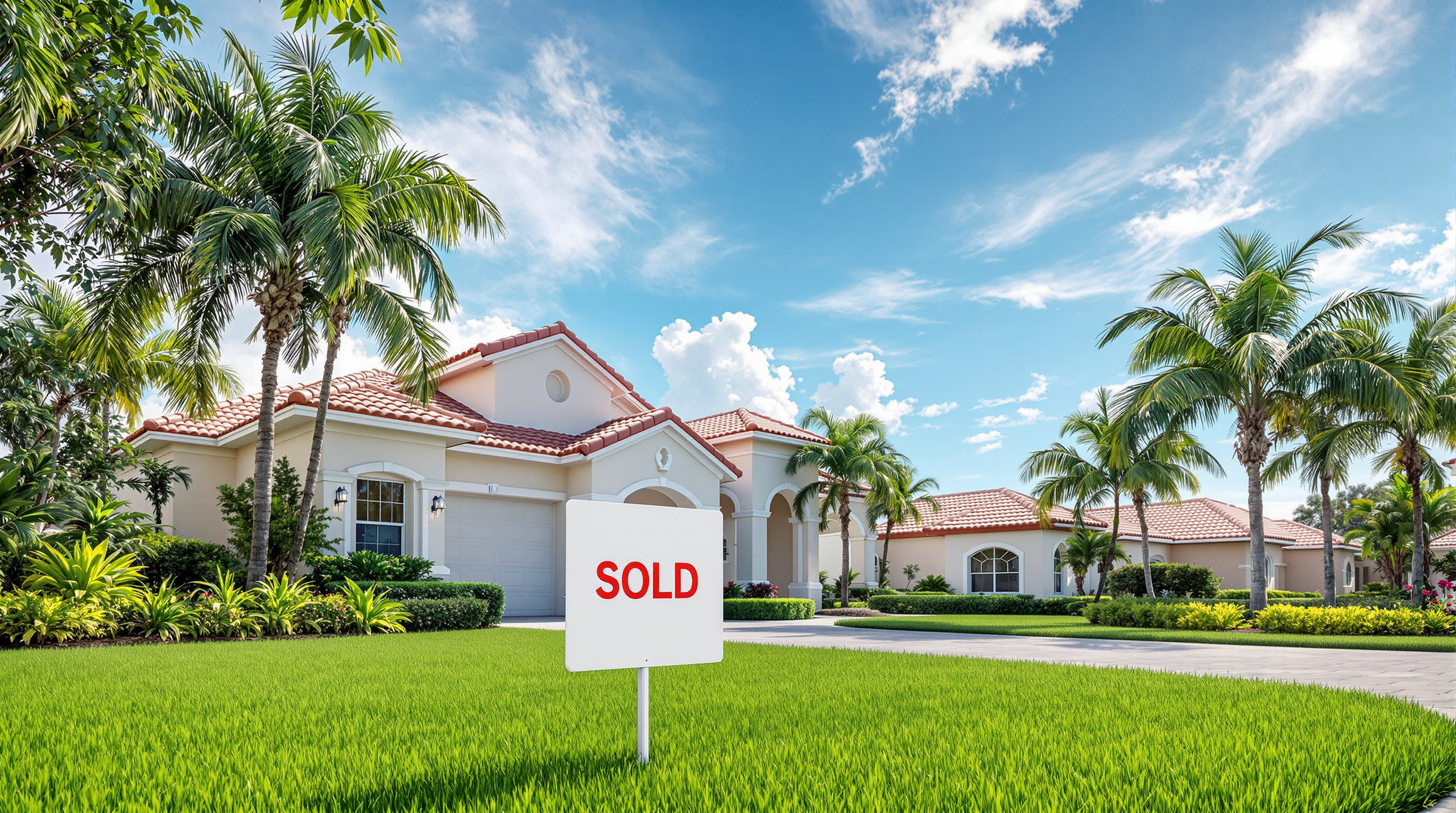
Florida homeowners face risks stemming from mortgage-related errors and predatory lending practices. Foreclosure filings in Florida often involve procedural errors by lenders, with estimates suggesting 30-40% of foreclosures have legal defects. Common mishaps include lost paperwork, improper notices, and incorrect accounting. Approximately 10% of Florida mortgages are considered high-cost, making borrowers vulnerable to predatory terms. The state consistently ranks high in foreclosure rates nationally, sometimes exceeding the national average by 20-30%. Title defects, undisclosed liens, and boundary disputes affect an estimated 1-2% of property transactions annually in Florida. Many homeowners are unaware of their rights and available resources to fight improper foreclosures.

Blog
– Florida’s median home price is around $400,000 (fluctuates by region).
– Average mortgage rate in Florida mirrors national trends, influenced by the Federal Reserve & market conditions. Check current rates daily.
– Credit score of 740+ is generally required for best rates; aim for 760+ for significantly better offers.
– Down payment options range from 3% (conventional) to 0% (USDA, VA – if eligible).
– Florida Housing Finance Corporation offers assistance programs for first-time buyers and specific professions (teachers, healthcare).
– Common loan types: Conventional, FHA, VA, USDA, Jumbo. FHA is often used by first-time homebuyers.
– Debt-to-income ratio (DTI) should ideally be below 43% for optimal loan approval and terms.
– Closing costs typically range from 2-5% of the loan amount.
– Shop around with at least 3-5 lenders to compare rates, fees, and loan terms; consider local credit unions.
– Pre-approval is crucial before house hunting to understand your budget and negotiating power.
Overnight Weakness Gives Way to Modest Gains
In absolute terms, it was a moderately active day for bonds as 10yr yields moved inside a respectable 7bp range (4.37 to 4.30). In day-over-day terms, we’re left with merely modest gains, but no one’s complaining. Early trading raised concerns about a technical break above the 4.34 ceiling. As we discussed yesterday, such breakouts can just as often serve as cues for buyers to get back in the pool, and that appears to have been the case today. Stocks had one of their calmest sessions in recent memory and bonds didn’t exhibit any of the typical correlation. U.S. bond traders simply showed up in line to buy some bonds, and that was that.
Econ Data / Events
Consumer Confidence
92.9 vs 94.0 f’cast, 98.3 prev
lowest reading since July 2022
expectations index 65.2 vs 72.9 prev
Market Movement Recap
09:42 AM Weaker overnight, but stronger after 8:20am CME Open. 10yr down half a bp at 4.337 and MBS up 1 tick (.03)
12:51 PM Bond rally continues. MBS up an eighth and 10yr down 4.2bps at 4.3
03:49 PM Off the best levels, but still stronger. MBS up 2 ticks (.06) and 10yr down 3bps at 4.312
The eternal disclaimer: we should never flat-out expect a particular correlation between stocks and bonds, with limited exceptions. Yesterday’s Fed announcement was an exception, because we often see stocks and bonds improve together when the market perceives a friendlier Fed. That correlation (stock prices moving higher and bond yields moving lower) is a break from the recent norm where heavy stock losses have spilled over to help bonds. We may be seeing a gentle return of that norm this morning. Data failed to offer any inspiration, but stocks are surging at the open, with the reversal of overnight losses aligning with a reversal in the overnight bond market rally.
If there’s a happy takeaway above, it’s that the bond bounce hasn’t been remotely commensurate with the stock bounce. Perhaps there is some small attention being paid to Jobless Claims creeping up to their highest non-seasonally adjusted level of the past 5 non-lockdown-impacted years.
Florida’s real estate market is currently experiencing a slowdown. Home sales are declining year-over-year, with some areas seeing double-digit percentage drops. Inventory is rising, offering buyers more choices and negotiating power.
* **Price Reductions:** A growing percentage of listings are experiencing price reductions, signaling a shift in market dynamics.
* **Inventory Increase:** Inventory levels are significantly higher compared to the lows of the pandemic era, but still below pre-pandemic levels in many areas.
* **Mortgage Rate Impact:** Rising mortgage rates are a key factor cooling demand, making homeownership less affordable. The 30-year fixed-rate mortgage has more than doubled since early 2022.
* **Regional Variations:** The market slowdown is not uniform across the state. Coastal areas and those previously experiencing hyper-growth are seeing more pronounced corrections. Central and northern Florida maintain relative stability.
* **Luxury Market:** The luxury real estate sector is also showing signs of slowing, although demand remains comparatively higher than other segments.
* **New Construction:** Increased new construction is adding to the existing inventory, potentially further moderating price growth.
– Florida’s median home price in June 2024 hovered around $408,700 (Zillow), making affordability a key concern.
– Rising property insurance costs in Florida are significantly impacting affordability; some areas see premiums exceeding $6,000 annually.
– Property taxes average 0.84% statewide, but vary by county, adding to the overall housing expense.
– Down payment assistance programs exist for first-time homebuyers, potentially reducing the upfront cost barrier.
– Budgeting tips include pre-approval for a mortgage, creating a realistic budget factoring in all housing-related costs (insurance, taxes, HOA), and exploring less expensive areas or property types.
– Considering the 28/36 rule (housing costs not exceeding 28% of gross monthly income and total debt not exceeding 36%) is crucial for sustainable homeownership.
Florida’s home buying process involves several key steps, including pre-approval, property search, making an offer, inspection, appraisal, and closing. The average closing time in Florida is 30-45 days. As of October 2024, the median sale price for single-family homes in Florida is approximately $420,000, with fluctuations varying by county and metro area. Inspections typically cost $300-$500, while appraisals range from $500-$700. Common closing costs in Florida range from 2-5% of the purchase price, covering expenses like title insurance, recording fees, and transfer taxes. Florida is a “buyer beware” state, emphasizing the importance of thorough inspections. Title insurance is crucial, protecting against title defects, with the buyer often responsible for selecting the title company. Earnest money deposits usually range from 1-3% of the purchase price.
Recall 2 weeks ago that news of the incoming German Chancellor’s ambitions to massively increase debt/spending led to the end of the bond rally in the US that took 10yr yields from 4.55 to 4.15%. The resulting bounce in US Treasuries was limited to roughly 15bps. Meanwhile, Germany’s equivalent 10yr yields spiked 3 times as much, with the March 5th being the worst day for German bonds since 1989 (fall of Berlin Wall). At the time, it wasn’t a given that the debt ceiling increase could pass muster in Germany’s constitutional court and parliament, but as of this morning, it’s a done deal. Thankfully, it seems markets already had this fully priced in.
Meanwhile, the US bond market’s consolidation continues in stunningly perfect fashion ahead of tomorrow’s Fed dot plot.
If you ask a technical analyst, the chart above is a classic consolidation (or triangle, pennant), and it carries one of several connotations. Some say they’re predictive, but the only reliable prediction is that such consolidations can’t last forever (after all, the white lines are about to converge). The Fed’s dot plot probably has the power to cause a breakout in one direction or the other, but incoming economic data would have to agree with the move if it’s to be sustained.
Florida offers several programs for first-time homebuyers, including down payment and closing cost assistance. Eligibility typically requires a credit score of 620 or higher, income limits varying by county, and completion of a HUD-approved homebuyer education course. The Florida Housing Finance Corporation (Florida Housing) oversees many of these initiatives. Key programs include the Florida Assist Second Mortgage (provides down payment assistance as a deferred, non-interest loan) and the Homeownership Loan Program (offering below-market interest rates). Income limits can range from approximately $65,000 to over $100,000, depending on household size and location. Florida’s Hometown Heroes program offers discounts to essential workers, providing lower rates and down payment assistance, capped at $35,000. The maximum purchase price varies by county and program, often in the $300,000 – $450,000 range.
After improving modestly in the overnight session, bonds contended with the Retail Sales data at 8:30am ET. At first glance, it should have been helpful, given that the headline came in at 0.2 versus a forecast of 0.6, but the closely watched control group (which excludes cars, fuel, and building materials) was much higher than expected. With that, bonds briefly the overnight gains. They’ve been bouncing back ever since. Some of that bounce has to do with a glut of bond buying 10 minutes before the 9:30am NYSE open. The rest may be down to the inability of stocks to sustain a rally in early trading.
Recent Posts
- Jak System Punktów Lojalnościowych W Slottica Casino Wspiera Odpowiedzialną Grę
- Regulirano Igralnica S Pravnim Dovoljenjem ♡ Republika Slovenija Deposit & Play
- Experimentera Enorma Jackpottar – Gotlands län
- Florida Real Estate: Is Now the Right Time to Buy or Sell?